
Starting a Crochet Plant Basket – Pattern project is one of the most rewarding ways to blend home decor with the mindful art of crafting. If you are a plant lover, you know that the plastic pots from the nursery rarely match the aesthetic of a carefully curated living space. By creating your own custom crochet basket, you not only hide those unsightly containers but also add a layer of warmth and texture to your shelves, windowsills, or hanging displays.
The beauty of a Crochet Plant Basket – Pattern lies in its versatility, allowing you to experiment with different yarn weights, stitch patterns, and structural designs. Whether you prefer a minimalist bohemian look with cream-colored cotton or a bold, modern vibe with thick t-shirt yarn, the possibilities are endless. This guide is designed to help you navigate the process of selecting materials and mastering the techniques needed to produce a sturdy, beautiful home for your greenery.
As we dive into this Crochet Plant Basket – Pattern, we will focus on the technical aspects that ensure your basket doesn’t sag or lose its shape over time. Understanding how to create a solid base and stiff walls is the secret to a professional-looking finish. In the following sections, we will break down the essential terms, provide step-by-step guidance on structural integrity, and explore how to optimize your crochet stitches for the best visual and functional results.
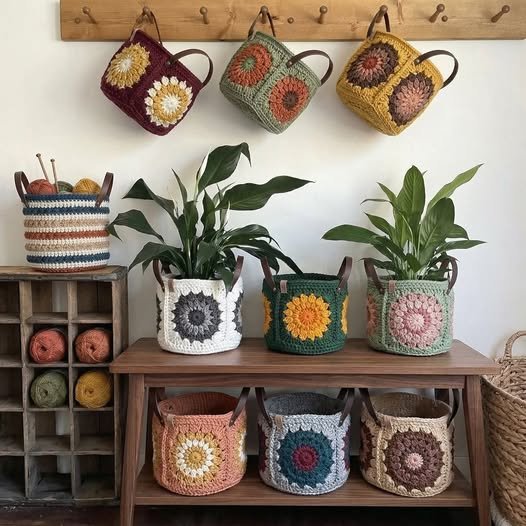
1. Understanding the Essentials of a Crochet Plant Basket – Pattern
When you begin looking for a Crochet Plant Basket – Pattern, the first thing you need to consider is the gauge and the yarn fiber. Because plants can be heavy and may contain moisture, choosing a durable yarn like mercerized cotton or recycled t-shirt yarn is vital. These materials offer the structural tension required to keep the basket upright without the need for internal supports.
The term Crochet Plant Basket refers to a handmade decorative sleeve or container specifically designed to hold potted plants. Unlike a standard storage bin, these are often worked in the round to create a seamless cylinder. Using tight stitches like the waistcoat stitch or single crochet helps prevent the inner pot from showing through the gaps.
A Pattern acts as your architectural blueprint, providing a specific set of instructions, stitch counts, and row repeats. For a successful Crochet Plant Basket – Pattern, the instructions should detail how to increase the diameter of the base to fit your specific pot size. Most patterns utilize the magic ring method to start the base, ensuring there is no hole at the bottom.
To make your Crochet Plant Basket – Pattern stand out, you should look for designs that incorporate texture. Techniques like front post double crochet or bobble stitches can add a 3D effect that catches the light and adds character to your home. Always check the skill level listed on the pattern to ensure it matches your current proficiency with a crochet hook.
Another key element in any Crochet Plant Basket – Pattern is the finishing technique. This includes the invisible join and weaving in ends securely so the basket looks flawless from every angle. If you are planning to hang your plant, the pattern must also include instructions for sturdy handles or macramé-style hanging loops that can support the weight of the soil.
Lastly, remember that a Crochet Plant Basket – Pattern is highly customizable. You can adjust the height of the walls simply by adding more rounds, or change the color palette to match the seasons. By mastering the basic crochet terms and stitch abbreviations, you gain the freedom to create a whole forest of crocheted plant covers for your indoor garden.
2. Selecting the Best Materials for Your Crochet Project
The success of your Crochet Plant Basket – Pattern depends heavily on the yarn selection. For a basket that maintains its shape, chunky yarn or bulky cotton cord is often the preferred choice. These thicker fibers create a dense fabric that acts as a protective layer, providing both insulation for the plant roots and a stable base for the pot.
Using a smaller hook size than recommended on the yarn label is a professional crochet tip for extra stiffness. If you use a 6mm hook with yarn that usually calls for an 8mm, your stitches will be much tighter. This technique is essential for a Crochet Plant Basket – Pattern because it prevents the walls from flopping over under their own weight.
Don’t forget the importance of stitch markers when working on your Crochet Plant Basket – Pattern. Since these baskets are usually worked in continuous spirals to avoid a visible seam, it is easy to lose track of where a new round begins. A simple plastic marker or a scrap of contrasting yarn will keep your stitch count accurate and your increases symmetrical.
If you are concerned about water damage, consider using synthetic fibers or placing a plastic saucer inside your crochet basket. While natural cotton is beautiful and breathable, it can absorb excess water. Some patterns suggest lining the interior with fabric or plastic liners to ensure the longevity of your handmade crochet item.
For those who love the boho-chic style, adding leather handles to your Crochet Plant Basket – Pattern can elevate the look instantly. You can find pre-punched leather straps that are easily sewn onto the crochet fabric. This combination of textile and leather creates a high-end boutique appearance that is very popular in modern interior design.
Finally, consider the colorfastness of your yarn. Since plants are often placed in sunny windows, UV-resistant yarn or high-quality dyed cotton will prevent the colors of your Crochet Plant Basket – Pattern from fading over time. Choosing a neutral palette like beige, grey, or terracotta ensures that your crochet work complements the vibrant green of your foliage.
3. Step-by-Step Techniques for a Sturdy Basket Base
The foundation of any great Crochet Plant Basket – Pattern is a perfectly flat, circular base. If the base ripples or curls, the entire basket will be unstable. To achieve a flat circle, you must follow a consistent increase formula. Typically, this means adding the same number of stitches in each round as you started with in the first round.
Most crochet experts recommend starting with a magic circle (or magic ring) because it allows you to pull the center tight, leaving no gap. In your Crochet Plant Basket – Pattern, you might start with 6 or 8 single crochet stitches in the ring. Each subsequent round increases the total count, expanding the diameter until it matches the bottom of your flower pot.
To transition from the base to the walls of your Crochet Plant Basket – Pattern, you will use a technique called Back Loop Only (BLO). By working one round of stitches into only the back loops of the previous round, you create a sharp “corner” or ridge. This ridge forces the fabric to turn upward, creating the distinct vertical walls of the basket.
Once the walls are established, the stitch choice becomes the focus of the Crochet Plant Basket – Pattern. The herringbone half double crochet is a fantastic option for walls because it creates a slightly tilted, dense texture that is very rigid. Alternatively, the waistcoat stitch (center single crochet) mimics the look of a knit fabric and provides incredible structural integrity.
While working on the walls, maintaining consistent tension is paramount. If your tension becomes too loose as you move up, the top of the Crochet Plant Basket – Pattern will flare out. Keep your yarn hold firm and check your progress every few rounds to ensure the cylinder remains straight and the diameter stays uniform from bottom to top.
For the final round of your Crochet Plant Basket – Pattern, a crab stitch (reverse single crochet) or a simple slip stitch border provides a clean, reinforced edge. This prevents the top of the basket from stretching out when you move the plant. A well-finished rim is the hallmark of a high-quality crochet pattern and ensures your basket looks great for years.
4. Personalizing Your Design and Advanced Tips
Once you have mastered the basic Crochet Plant Basket – Pattern, you can begin to experiment with advanced techniques. Color blocking is a simple way to add visual interest. By switching yarn colors halfway through the walls, you can create a two-tone effect that matches your room’s color scheme or the specific tones of your plant’s leaves.
Incorporating fringe or tassels into your Crochet Plant Basket – Pattern can give it a whimsical, eclectic feel. These embellishments are usually added after the main structure is finished. Use a crochet hook to loop lengths of yarn through the final round of stitches, then trim them to your desired length for a customized look.
If you want a Crochet Plant Basket – Pattern that is extra large, consider double-stranding your yarn. By holding two strands of yarn together and using a larger hook, you create a much thicker and more substantial fabric. This is perfect for large floor plants like a Fiddle Leaf Fig or a Monstera, which require more support.
Surface slip stitching is another way to add detail to a finished Crochet Plant Basket – Pattern. You can “draw” lines or geometric shapes onto the surface of the basket using a contrasting color. This technique adds zero bulk but provides a significant amount of visual texture and a unique, handcrafted feel to the project.
For those interested in sustainability, look for a Crochet Plant Basket – Pattern that utilizes upcycled materials. You can make “Plarn” (plastic yarn) from grocery bags or use old cotton t-shirts cut into strips. Not only is this eco-friendly, but the resulting fabric is often incredibly durable and water-resistant, making it perfect for plants.
Finally, always remember to document your changes to the Crochet Plant Basket – Pattern. If you find a particular stitch combination or size adjustment that works perfectly, write it down in your crochet journal. This allows you to replicate your success and perhaps even create your own unique pattern to share with the crochet community.
FAQ – Frequently Asked Questions
1. What is the best yarn for a Crochet Plant Basket – Pattern?
The best yarn is generally a stiff natural fiber like cotton or hemp, or a bulky t-shirt yarn. These materials hold their shape well and are less likely to stretch out over time compared to acrylic or wool.
2. How do I make my crochet basket stand up straight?
To ensure your basket stands up, use a smaller hook than the yarn recommends to create tight stitches. Additionally, using “stiff” stitches like the waistcoat stitch and choosing a bulky weight yarn will provide the necessary structure.
3. Can I wash my crochet plant basket?
Yes, if you use washable yarn like cotton. However, it is best to hand wash and lay flat to dry to maintain the basket’s shape. If you have added leather handles, be sure to remove them or avoid getting them wet.
4. How do I choose the right size for my pot?
Measure the diameter of the bottom of your pot and the height of the sides. Work the base of your Crochet Plant Basket – Pattern until it is about 1cm wider than the pot’s base to allow for a comfortable fit.
5. Is this pattern suitable for beginners?
Many Crochet Plant Basket – Patterns are beginner-friendly because they primarily use basic stitches like the single crochet. As long as you understand how to increase in the round, you can successfully complete this project.
6. Do I need to line the basket?
Lining is optional but recommended if your pot has drainage holes and you don’t use a saucer. A plastic liner prevents water from seeping into the yarn fibers, which helps prevent mold and keeps the basket clean.
Conclusion
In this article, we explored the wonderful world of the Crochet Plant Basket – Pattern, covering everything from the essential yarn types to the specific stitch techniques required for a sturdy result.
We learned how to create a flat base, transition to vertical walls, and the importance of tension control in achieving a professional finish. By following a well-structured pattern and choosing the right materials, you can transform simple yarn into a beautiful, functional piece of home decor that showcases your plants in style.