
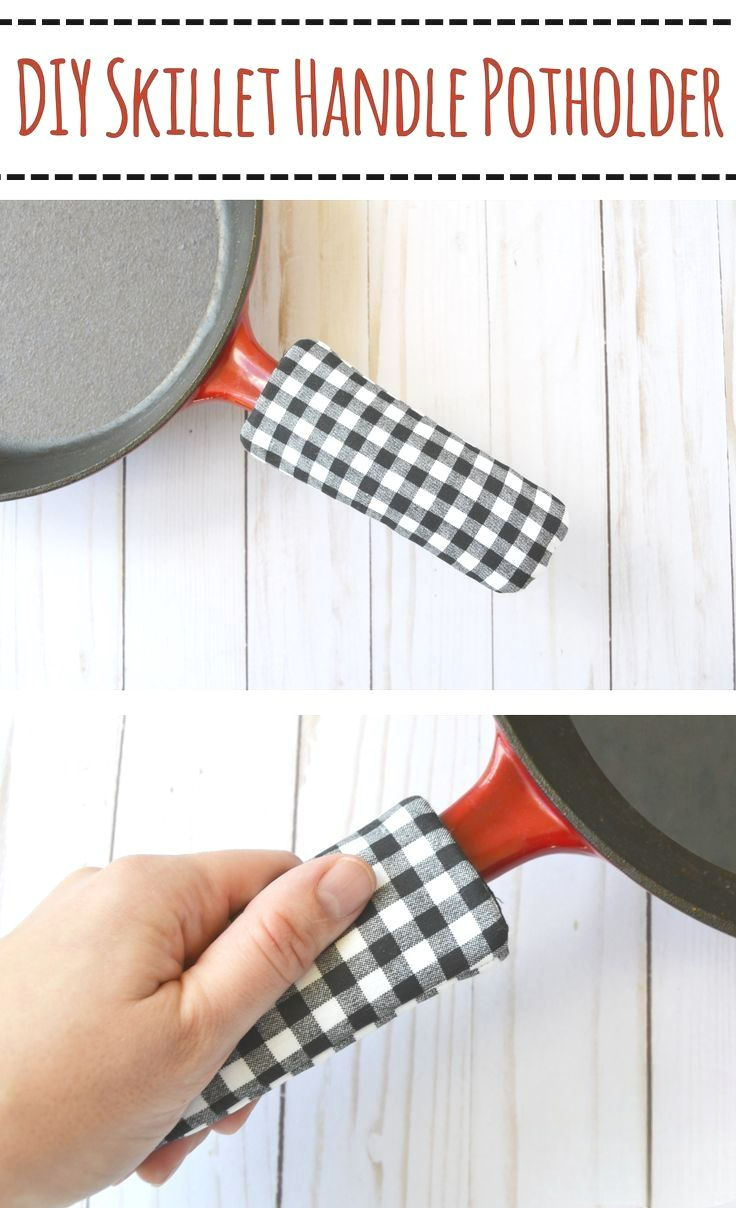
If you are looking for a creative way to protect your hands in the kitchen, this Pot Holder with frying pan handle, fabric – Tutorial is the perfect guide to help you master a functional sewing project. Cooking with cast iron or stainless steel often means dealing with intense heat that travels right up to the grip, making a dedicated frying pan handle cover an absolute necessity for any home chef. By using high-quality fabric and heat-resistant batting, you can create a custom accessory that fits your cookware perfectly while adding a splash of personality to your kitchen decor.
This Pot Holder with frying pan handle, fabric – Tutorial focuses on the intersection of safety and style, ensuring that your DIY project is as durable as it is beautiful. Many store-bought options are either too bulky or made from synthetic materials that don’t provide adequate thermal protection, but when you choose your own fabric, you have full control over the quality. Whether you are a beginner or an experienced sewist, crafting a pot holder specifically designed for a frying pan handle is a rewarding task that results in a professional-grade kitchen tool.
Throughout this Pot Holder with frying pan handle, fabric – Tutorial, we will explore the best techniques for selecting heat-resistant materials, measuring your specific pans, and sewing secure seams that withstand daily use. The term Pot Holder with frying pan handle refers to a specialized sleeve that slides over the hot metal grip of a skillet, providing a barrier against burns. Utilizing 100% cotton fabric is essential here, as synthetic fibers can melt when exposed to high temperatures, making this tutorial a vital resource for safe crafting practices.
1. Choosing the Right Fabric and Materials for Your Pot Holder
The success of your project depends heavily on selecting the correct cotton fabric and insulating layers. When we talk about fabric in a kitchen context, we must prioritize natural fibers like cotton or linen because they can handle high heat without degrading. Avoid any materials with polyester or nylon content, as these can melt onto your cookware or, worse, your skin.
Your Pot Holder with frying pan handle requires a specific type of internal padding known as Insul-Bright or thermal batting. This material contains a thin layer of metalized polyester film that reflects heat back toward the source, providing much better protection than standard quilt batting. Using the right heat-resistant batting ensures that your frying pan handle cover remains functional even during long sessions on the stovetop.
In this tutorial, we emphasize the importance of pre-washing your fabric to prevent any shrinkage after the project is completed. Since kitchen accessories need frequent washing due to grease and food splatters, starting with pre-shrunk cotton ensures your pot holder maintains its shape and fit over time. Choose vibrant prints or classic solids that complement your kitchen’s aesthetic.
Threads also play a crucial role in the durability of your Pot Holder with frying pan handle, fabric – Tutorial build. Always use 100% cotton thread rather than all-purpose polyester thread; cotton thread won’t melt under high temperatures, which is vital for a tool designed to touch hot metal. This small detail is a hallmark of high-quality DIY kitchen sewing projects.
Beyond the main fabric, you might want to consider adding a textured material like silicone-coated fabric to the interior of the sleeve for extra grip. This prevents the pot holder from sliding around while you are maneuvering a heavy skillet. Adding a non-slip element is a great way to upgrade the basic frying pan handle design for better safety.
Lastly, gather your basic sewing notions: sharp fabric shears, a rotary cutter, a cutting mat, and heat-erasable marking pens. Having the right tools ready before you begin this tutorial will make the assembly process much smoother. Preparation is the key to creating a Pot Holder with frying pan handle that looks like it was bought from a high-end culinary boutique.
2. Measuring and Cutting for a Custom Frying Pan Handle Fit
Precision is everything when creating a Pot Holder with frying pan handle. Unlike a flat, square pot holder, a handle sleeve needs to be snug enough to stay on but loose enough to slide off easily when needed. Start by measuring the length and the widest circumference of your most-used frying pan handle to determine your template size.
To draft your pattern for this fabric tutorial, add at least one inch to the width measurement to account for the thickness of the thermal batting and the seam allowance. A common mistake in a DIY tutorial is forgetting that the bulk of the insulation takes up internal space. If your fabric pieces are too small, the finished pot holder simply won’t slide over the handle.
Once you have your dimensions, cut two pieces of your outer fabric, two pieces of lining fabric, and two pieces of heat-resistant batting. Layering is the core of this Pot Holder with frying pan handle, fabric – Tutorial, as these multiple tiers create the necessary thermal barrier. Ensure your cuts are straight and clean for a professional finish.
When working with quilting fabric, you can choose to quilt the outer layer to the batting before sewing the sides together. This prevents the internal layers from shifting during use and adds a beautiful decorative touch to your frying pan handle cover. Use a simple straight line or a diamond grid pattern to secure the fabric layers together firmly.
If your frying pan handle has a specific curve or a hanging hole at the end, you can customize the shape of your pattern to match. This Pot Holder with frying pan handle project is highly adaptable, allowing you to create “mitt” styles or simple “sleeve” styles. Use a paper template first to test the fit around your handle before cutting into your precious fabric.
The final step in the cutting phase of this tutorial is trimming any excess bulk from the corners. Since you are working with multiple layers of fabric and thick batting, the seams can become quite thick. Use a technique called “grading” the seams to ensure that your Pot Holder with frying pan handle remains sleek and easy to handle.
3. Sewing and Assembling the Fabric Layers
Now we reach the heart of the Pot Holder with frying pan handle, fabric – Tutorial. Place your quilted outer pieces right sides together and pin them securely. Using a heavy-duty sewing machine needle (size 90/14 or 100/16) is recommended here, as you will be stitching through several thick layers of fabric and insulation.
Sew around the long sides and the top end of the pot holder, leaving the bottom open for the handle to enter. Use a 1/4 inch or 3/8 inch seam allowance, making sure to backstitch at the beginning and end of your seams for extra strength. The Pot Holder with frying pan handle undergoes a lot of pulling and tugging, so strong seams are mandatory.
Repeat the process with your lining fabric pieces, but leave a small gap of about 2 inches on one side. This opening is a standard sewing technique used to turn the project right side out later in the tutorial. The lining provides a clean interior finish, ensuring no raw edges of the fabric are exposed inside the handle sleeve.
To join the two sections, slide the outer pot holder (which should be right side out) inside the lining (which should be wrong side out). Align the raw edges of the open bottom and sew all the way around the circular opening. This step integrates the frying pan handle sleeve into a single, cohesive unit.
Carefully pull the Pot Holder with frying pan handle through the gap you left in the lining. Once it is right side out, push the lining down into the outer shell and use a turning tool or chopstick to crisp up the corners. This is the moment in the tutorial where your project finally starts to look like a finished kitchen accessory.
The last sewing task is to topstitch around the bottom opening. This not only gives the fabric a polished look but also prevents the lining from rolling out when you slide it onto a frying pan handle. A good topstitch adds durability and professional flair to your custom Pot Holder with frying pan handle, fabric – Tutorial creation.
4. Final Touches and Safety Tips for Kitchen Use
Your Pot Holder with frying pan handle is almost ready for its first stovetop adventure. Before using it, inspect all your stitches to ensure there are no gaps where heat could penetrate. In this tutorial, safety is our primary goal, so a quick quality check is essential for any heat-resistant fabric project.
Remember that while this fabric sleeve is excellent for moving pans on the stove, it should not be left on the handle while the pan is inside a hot oven. Most fabric pot holders are not designed for the ambient heat of an oven (which can reach 450°F or more) for extended periods. Always use this frying pan handle cover for stovetop cooking and short transfers.
To keep your Pot Holder with frying pan handle clean, simply toss it in the washing machine with your kitchen towels. Because you used high-quality cotton fabric, it should withstand regular laundering. Air drying is often recommended to preserve the integrity of the thermal batting inside the sleeve.
You can further personalize your project by adding a small loop of twill tape or a fabric scrap to the side. This allows you to hang your pot holder on a hook near your stove, making it easily accessible whenever you reach for your favorite skillet. Organization and accessibility are key components of a well-run kitchen.
Consider making a matching set of these frying pan handle covers as gifts for friends and family. This Pot Holder with frying pan handle, fabric – Tutorial is a fantastic “scrap buster” project, allowing you to use up small pieces of beautiful fabric that might otherwise go to waste. Homemade gifts that are both practical and stylish are always a hit.
By following this tutorial, you have created a tool that enhances both the safety and beauty of your cooking space. The Pot Holder with frying pan handle is a testament to how a little bit of fabric and some basic sewing skills can solve a common kitchen problem. Happy cooking and stay safe with your new handmade gear!
FAQ – Frequently Asked Questions
1. Can I use any type of fabric for this tutorial?
No, it is highly recommended to use 100% cotton fabric. Synthetic fibers like polyester, nylon, or acrylic can melt when they come into contact with high heat, which can cause serious burns or damage your cookware.
2. What is the best insulation for a Pot Holder with frying pan handle?
The best material is Insul-Bright or a similar brand of heat-resistant batting. These products contain a metallic layer that reflects heat. Using two layers of regular cotton batting can also work, but it will be bulkier and slightly less effective.
3. Is this handle cover safe for use in the oven?
Generally, no. Most fabric handle covers are designed for stovetop use. Leaving a fabric pot holder in a hot oven for a long time can cause the fabric to scorch or even ignite. Always remove the sleeve before placing a pan in the oven.
4. How do I know what size to make for my frying pan handle?
Measure the length of the handle and the circumference at the thickest part. Add 1 inch to the width for seam allowance and the thickness of the batting. It is better for the Pot Holder with frying pan handle to be slightly loose than too tight.
5. Can I machine wash my handmade fabric pot holder?
Yes, if you used cotton fabric and cotton thread, you can wash it in the machine. It is best to use a gentle cycle and air dry to maintain the shape and the effectiveness of the thermal lining.
6. Why should I use cotton thread instead of polyester?
Polyester thread is essentially plastic. If it gets too hot, it can melt and cause the seams of your Pot Holder with frying pan handle to come apart. Cotton thread has a higher heat tolerance and is much safer for kitchen accessories.
Conclusion
In this Pot Holder with frying pan handle, fabric – Tutorial, we have covered everything from selecting the safest cotton fabrics and heat-resistant batting to the final topstitching of your custom sleeve.
This project is an excellent way to improve kitchen safety while expressing your personal style through unique fabric choices. By creating your own frying pan handle cover, you ensure a perfect fit for your cookware and a level of quality that mass-produced items often lack. We hope this guide inspires you to get creative at your sewing machine!