
Fabric Bookmarks with Elastic Bands – Tutorial is the ultimate creative solution for book lovers who want to protect their pages in style while expressing their personal flair. There is a distinct, undeniable joy in opening a favorite novel to find a beautiful, handmade placeholder greeting you. If you are searching for a fast, satisfying sewing project that makes excellent use of your scrap pile, these elastic-banded page keepers are absolutely perfect.
The beauty of following this detailed Fabric Bookmarks with Elastic Bands – Tutorial lies in the clever functionality of its design. Unlike traditional paper or ribbon placeholders that can easily slip out when a book is tossed into a backpack, the integrated elastic loop wraps securely around the entire cover. This brilliant feature ensures your book stays firmly closed, protecting the delicate edges of your pages from bending, tearing, or getting crumpled during travel.
In this comprehensive step-by-step guide, we are going to walk through the entire manufacturing process so you can achieve professional, high-quality results on your very first try. We will discuss selecting the most durable textiles, prepping your structural stabilizers, mastering the assembly order, and customizing the fit for various book sizes. Gather your prettiest fabric remnants, pull out your sewing machine, and let us dive into this delightful, practical crafting journey together.
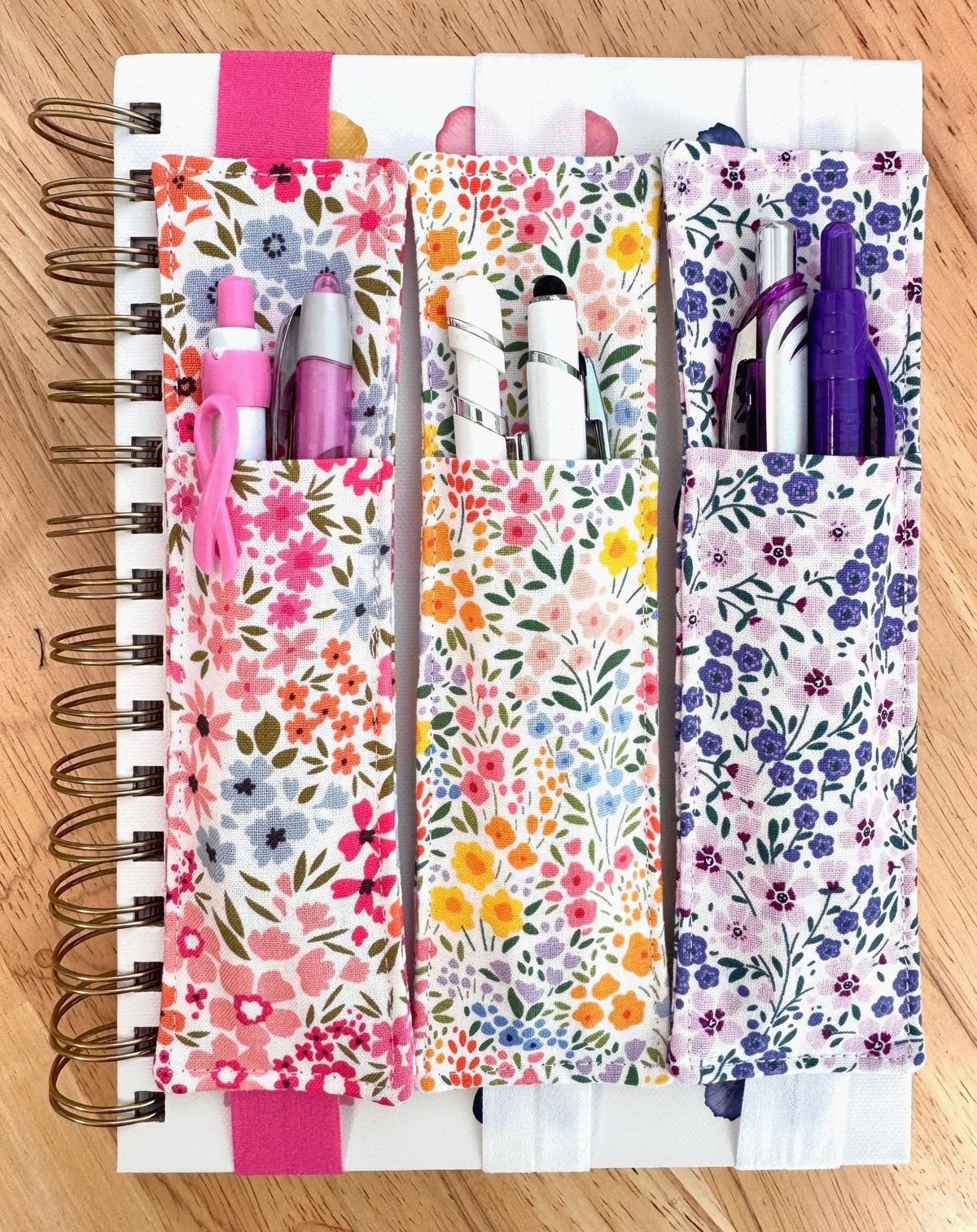
1. Gathering Essential Materials for Your Elastic Bookmark Project
Selecting the proper textiles is the initial step toward success in this Fabric Bookmarks with Elastic Bands – Tutorial. Lightweight woven fabrics like 100% quilting cotton, linen, or lightweight denim are the absolute best choices for this project because they press flat and sew beautifully. Since this craft requires very small dimensions, it serves as the ultimate scrap-buster for utilizing those beloved leftover strips from larger quilting or apparel projects.
The elastic band is the core functional component of this design, providing the stretch needed to hug your book securely. A flat, braided, or woven elastic measuring one-quarter inch or three-eighths inch in width works beautifully without adding excessive bulk to your book covers. You can find elastic in a wide array of vibrant colors, glittering metallics, or fun patterns to create an eye-catching contrast with your chosen textiles.
To ensure your handmade bookmark has a professional weight and does not feel floppy, you will need a reliable internal stabilizing layer. Medium-weight fusible interfacing is the ideal choice because it easily bonds to the wrong side of your cotton using a standard household iron. This hidden layer adds immediate body, prevents stretching, and ensures your completed placeholder retains its crisp, rectangular shape over years of use.
Having the right cutting equipment ready at your workspace will make the entire preparation phase incredibly fast, smooth, and precise. A self-healing cutting mat, a clear acrylic quilting ruler, and a sharp rotary cutter allow you to slice uniform strips of material in seconds. If you do not own a rotary cutter, a high-quality pair of fabric shears will work beautifully for cutting out your clean rectangles.
You will also need a few everyday sewing notions that are likely already sitting in your creative workspace or sewing basket. Matching or contrasting polyester sewing thread, fine glass-head pins, fabric clips, and a heat-erasable fabric marking pen are absolute essentials. The marking pen is particularly helpful for drawing precise sewing lines directly onto the interfacing without leaving permanent marks.
Lastly, ensure your sewing machine is threaded correctly and fitted with a fresh, sharp universal needle before you stitch your first seam. A standard size 80/12 machine needle is perfect for piercing through the layered cotton, interfacing, and dense elastic without skipping stitches. Setting up a comfortable, well-lit table with your iron nearby will make the entire making experience completely relaxed and enjoyable.
2. Measuring Cutting and Preparing the Fabric Layers
The foundation of a perfectly fitting Fabric Bookmarks with Elastic Bands – Tutorial relies entirely on cutting your materials to the correct mathematical dimensions. For a standard novel, a fantastic universal size for the finished fabric body is roughly two inches wide by six inches long. To achieve this final dimension, you will need to cut two identical pieces of cotton measuring two and a half inches wide by six and a half inches long.
The extra half-inch added to both the width and length represents your one-quarter-inch seam allowance, which will be consumed during the stitching phase. Take your time aligning your acrylic ruler with the grain of the textile to ensure your cut rectangles are perfectly square. If you want a playful look, cut one piece from a vibrant floral print for the front and a coordinating solid color for the back.
Next, use your clear ruler to measure and cut one piece of fusible interfacing that matches the exact dimensions of your fabric rectangles. Place the interfacing piece with its textured, glue-coated side facing down onto the wrong side of one of your fabric pieces. Press down firmly with a hot, dry iron for about ten seconds to permanently fuse the two layers together.
Now it is time to calculate the ideal length for your elastic strand so that it stretches perfectly around your favorite reading materials. For standard paperback novels and average hardcovers, an elastic strip cut to eighteen inches in length provides the perfect amount of tension. If you primarily read massive textbooks or tiny pocket novels, you can easily adjust this length upward or downward by an inch.
After completing these initial steps, you should have four separate components resting on your cutting mat ready for the assembly phase. You will have one fused front panel, one unfused back panel, one cut strand of elastic, and your matching spool of thread. Grouping these items neatly by project sets allows you to easily chain-piece multiple bookmarks at the exact same time to save energy.
Double-check that all your edges are straight and that the elastic strand is not fraying at the tips before you head over to the sewing machine. Taking an extra minute to verify your measurements now guarantees that your final product will look incredibly symmetrical, balanced, and professional. Once your components are fully inspected, you are ready to move on to the exciting assembly stage.
3. Assembling and Stitching the Bookmark Component Layers
To begin the construction phase of our Fabric Bookmarks with Elastic Bands – Tutorial, lay your fused front fabric piece flat on your table with the beautiful printed side facing upward. Take one raw end of your elastic strand and place it centered at the short top edge of the fabric rectangle, pointing downward. Pin or clip the elastic tip securely in place so it does not shift when you move the piece.
Take the remaining loose end of your elastic strand and bring it straight down the center of the fabric panel without twisting it. Place this second raw end centered at the short bottom edge of the fabric rectangle, pointing upward, and secure it with a clip. The long loop of the elastic should now be sandwiched flat against the right side of your front textile panel.
Next, take your unfused back fabric rectangle and place it directly on top of the prepared front panel with its printed side facing downward. This method is known as placing the materials “right sides together,” which ensures your beautiful patterns are protected on the inside while sewing. Align all four perimeter edges perfectly, ensuring the long elastic tail remains safely tucked between the layers.
Pin the entire perimeter securely together using fine sewing pins, paying special attention to the top and bottom zones where the elastic rests. Leave a small, straight two-inch opening unpinned along one of the long side edges of the rectangular sandwich. This deliberate gap is absolutely crucial because it allows you to turn the entire item right-side out once the borders are sewn.
Take your pinned project to the sewing machine and position your needle right at one side of the designated two-inch side opening. Lower your presser foot and sew around the perimeter using a strict one-quarter-inch seam allowance, backstitching securely at the start to lock your threads. Sew slowly over the dense elastic sections, backstitching across them twice to provide maximum reinforcement against future stretching pull.
Pivot carefully at each of the four sharp corners by leaving your needle down in the fabric, lifting the presser foot, and rotating the rectangle ninety degrees. Once you sew completely around and reach the opposite side of your two-inch opening, backstitch firmly and clip your threads. You have now successfully created the structural envelope for your gorgeous handmade reading accessory.
4. Turning Pressing and Executing the Perfect Topstitch
With the stitching successfully completed, use your sharp fabric shears to clip the excess material away from all four corners of the rectangle. Snip diagonally across each corner tip, being extremely careful not to cut through your actual locking stitches. This simple step removes unnecessary interior bulk, allowing your corners to turn out beautifully sharp, crisp, and completely square.
Insert your fingers carefully through the two-inch side opening you left unsewn and grab the interior fabric layers. Gently pull the entire bookmark through the small gap, turning the rectangular envelope right-side out so the gorgeous prints face exteriorly. As you pull, the long elastic band will naturally emerge from the top and bottom ends of the fabric body.
Use a blunt turning tool, a wooden chopstick, or a dull knitting needle to gently push out the four clipped corners from the inside. Run the tool smoothly along the interior seams to ensure the fabric is fully extended and looking perfectly rectangular. Avoid using sharp objects like embroidery scissors or pins for this step, as they can easily puncture holes through your cotton.
Take your turned bookmark to the ironing board and use your fingers to roll the side seams flat between your thumbs. Tuck the raw edges of the two-inch turning opening inward by one-quarter of an inch so they align seamlessly with the sewn border. Press the entire fabric body thoroughly with a hot steam iron to flatten the layers and set the shape beautifully.
To permanently close the turning gap and add a gorgeous border, you will perform an advanced sewing technique known as topstitching. Position your coaster under your machine foot and stitch a neat line one-eighth of an inch away from the edge around the entire perimeter. This topstitch not only seals the opening beautifully but also gives your placeholder a clean, tailored, store-bought appearance.
Clip all your loose thread tails close to the fabric surface using small embroidery scissors to finalize your beautiful handmade creation. Give your completed project one final, heavy press with the hot iron to smooth out any remaining minor wrinkles. Congratulations, you have successfully finished this project and now have a gorgeous, highly functional book accessory ready for your next reading adventure!
FAQ – Frequently Asked Questions
What is the best way to clean my fabric elastic bookmark?
Because they are constructed from high-quality quilting cotton and durable elastic, you can easily hand wash them in warm water with mild soap. After washing, rinse thoroughly, reshape the fabric body flat, and allow it to air dry completely before pressing it with a medium iron to remove wrinkles.
Can I make these bookmarks without using a sewing machine?
Yes, you absolutely can! If you do not own a sewing machine, you can easily sew this entire project by hand using a strong, tight backstitch. Hand sewing gives you incredible control over the small seams and results in a beautiful, heirloom-quality finish that makes an amazing gift.
How do I adjust the pattern for a large hardcover book?
To customize this project for oversized hardcovers, simply increase the length of your elastic strand from eighteen inches to twenty-one inches. The main fabric body can remain the exact same size, as the elongated elastic will easily accommodate the increased height of the larger book covers.
Why is my bookmark bunching up when the elastic stretches?
If the fabric body bunches up or distorts when the elastic is pulled, it usually means your internal interfacing layer is too thin or missing. Always ensure you use a high-quality, medium-weight fusible interfacing bonded directly to the cotton to provide the necessary stiffness and structural integrity.
Can I use this pattern to hold a pen or pencil?
Yes, this design can easily be modified into a pen holder by sewing an extra loop of elastic onto the front face of the bookmark. Simply stitch a small two-inch segment of elastic horizontally across the front panel during the assembly phase to create a handy slot for your favorite writing tool.
Is this a good craft project to sell at local boutique markets?
Absolutely! These bookmarks are incredibly popular at craft fairs because they are visually appealing, highly functional, and very budget-friendly to produce. You can batch-sew dozens of them in a single afternoon using your left-over fabric scraps, allowing for an excellent profit margin.
Conclusion
Completing this Fabric Bookmarks with Elastic Bands – Tutorial is a highly rewarding achievement that combines beautiful textile design with practical, everyday utility. Throughout this structural guide, we explored how to select the best absorbent cottons, measure and cut precise dimensions, securely sandwich elastic strands, and execute flawless border topstitching.
These wonderful, stretchable page keepers are not only excellent protectors for your beloved library books, but they also make thoughtful, customized gifts for teachers, students, and avid readers alike.