
Crochet sweaters for dogs – Tutorial: standardizing comfort and style for our canine companions has never been more rewarding than with this comprehensive guide. Crafting a personalized wardrobe for your pet is a beautiful way to show love while keeping them cozy during chilly seasons. If you have been searching for a foolproof crochet sweaters for dogs tutorial, you have landed in the perfect place to master this rewarding craft.
As pet owners, we always want the best for our four-legged family members, ensuring they stay warm, comfortable, and undeniably stylish. Standard store-bought pet clothes often fall short because they lack the custom fit that a handmade item provides, frequently causing chafing or slipping off entirely. By learning how to create a custom dog sweater crochet pattern, you can tailor the dimensions perfectly to your pet’s unique body shape, choosing specific yarns that are gentle on their fur and skin.
In this extensive guide, we will break down the entire process from start to finish, ensuring that even beginners can follow along with confidence and ease. We will explore essential techniques, how to select the right materials, and the exact steps required to complete a beautiful, functional garment. Get your crochet hooks ready, gather your yarn, and let’s dive deep into this ultimate crochet sweaters for dogs tutorial that will transform your pet’s winter wardrobe.
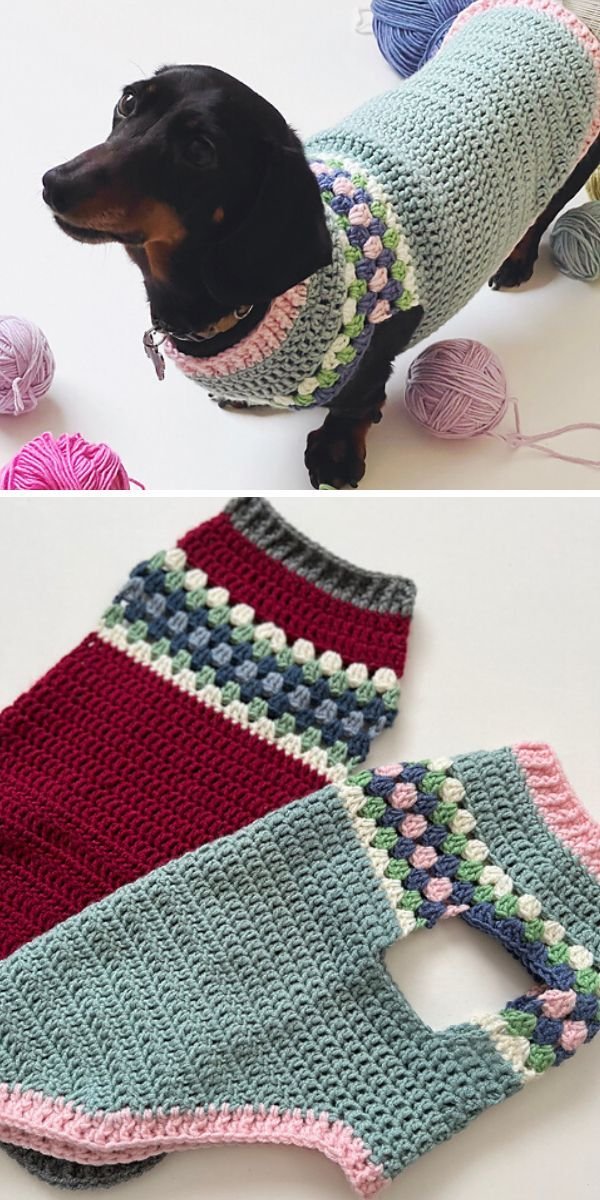
1. Choosing the Right Yarn and Tools for Your Dog Sweater
Selecting the appropriate materials is the foundational step of any successful dog sweater crochet pattern. The yarn you choose needs to be incredibly soft, durable, and, most importantly, machine washable, because dogs love to explore, roll around in the grass, and occasionally get messy. Acrylic yarn, cotton blends, or superwash merino wool are generally the top choices for pet garments because they offer great elasticity and can withstand frequent trips through the laundry without losing their shape.
When looking at yarn weights, a medium worsted weight (category 4) or a bulky weight (category 5) is ideal for a crochet sweaters for dogs tutorial. These weights provide the necessary thickness to keep your pet insulated against the cold while allowing the project to work up relatively quickly. Avoid using yarns with loose metallic threads, sequins, or long fluffy fibers like mohair, as these can irritate your dog’s sensitive skin, cause itching, or accidentally be ingested if your pet tries to chew on their new clothing.
Your crochet hook size should directly correspond to the yarn weight you have selected, usually ranging from a 5.0mm (H-8) to a 6.5mm (K-10.5) hook. Using an ergonomic crochet hook is highly recommended, as it reduces hand fatigue during long crafting sessions. Additionally, you will need a few essential notions to complete this project successfully, including a soft measuring tape, a pair of sharp yarn scissors, a tapestry needle for weaving in loose ends, and several locking stitch markers.
Stitch markers are absolutely crucial when working on a dog sweater crochet pattern, as they help you keep track of your stitch counts and mark where the leg holes will be placed. Writing down your notes in a dedicated crafting journal can also help you replicate the pattern in the future or adjust it for different pets. Taking the time to gather high-quality tools ensures a frustration-free experience and results in a polished, professional-looking garment.
Before you begin crocheting the actual sweater, it is highly recommended to create a small gauge swatch to test your tension. If your stitches are too tight, the sweater will turn out stiff and uncomfortable; if they are too loose, the fabric will snag easily on branches or claws. Adjust your hook size up or down based on your gauge swatch to match the intended dimensions of the project perfectly.
By prioritizing comfort, durability, and safety when selecting your materials, you set yourself up for absolute success. Your dog will appreciate the breathable warmth of a well-made garment, and you will enjoy the process much more when working with high-quality, split-resistant yarn. Now that your crafting basket is fully prepared with the ultimate supplies, we can confidently move forward to the next vital phase of our project.
2. Accurately Measuring Your Dog for a Custom Fit
The secret to a flawless crochet sweaters for dogs tutorial lies entirely in the accuracy of your initial measurements. Unlike humans, dogs come in a massive variety of shapes, chest depths, and lengths, meaning a standard medium size for a French Bulldog will fit drastically differently than a medium for a Greyhound. To ensure your pet can walk, run, and go to the bathroom without any restriction, you must take three primary measurements using a flexible tape measure.
The first measurement you need to capture is the neck circumference, taken precisely where your dog’s collar naturally sits. Make sure the measuring tape is snug but not overly tight; a good rule of thumb is to slip two fingers easily under the tape to guarantee comfort. This measurement determines the size of the collar or ribbing, which serves as the starting anchor point for many popular top-down dog sweater crochet pattern designs.
Next, you will measure the chest girth, which is undeniably the most critical measurement for proper garment fit. Locate the widest part of your dog’s ribcage, which is typically found directly behind their front legs, and wrap the tape measure all the way around. This area requires plenty of stretch and flexibility, so if your dog falls between sizes or has an exceptionally deep chest, it is always best to add an inch or two for extra ease.
The third essential measurement is the body length, calculated from the base of the neck (where the collar sits) down to the base of the tail. For male dogs, you will want to shorten the underbelly coverage significantly to prevent any accidental soiling during daily walks, ensuring the sweater tapers off before reaching their hind legs. Female dogs can accommodate a slightly longer belly panel, providing them with maximum warmth and coverage underneath.
While taking these measurements, try to keep your dog standing naturally on all four paws, as sitting or lying down can significantly distort their actual body dimensions. If your pet is wriggly, use healthy treats to keep them distracted and stationary while you work with the measuring tape. Write these specific numbers down carefully, as they will dictate exactly how many stitches and rows you need to crochet.
Remember that custom tailoring is the greatest benefit of a handmade crochet sweaters for dogs tutorial. You have the complete creative freedom to lengthen the back, widen the chest, or loosen the neck to match your pet’s exact anatomy. With these precise dimensions clearly written down, you are ready to start stitching a masterpiece that fits your furry best friend like a second skin.
3. Step-by-Step Crochet Instructions for the Sweater Body
To kick off the crafting portion of our dog sweater crochet pattern, we will begin with a top-down construction method, starting directly at the collar. Chain a sequence of stitches that matches your dog’s neck measurement, ensuring the total count is an even number, and join with a slip stitch to form a ring, being careful not to twist the chain. Work in alternating front post and back post double crochet stitches for several rounds to create a stretchy, ribbed collar that slips easily over your pet’s head.
Once the collar reaches your desired height, it is time to transition into the chest expansion phase of our crochet sweaters for dogs tutorial. You will switch to a standard solid stitch, such as the half double crochet, which provides an excellent balance of warmth, flexibility, and structure. Over the next few rounds, you will systematically increase the number of stitches by placing two stitches into a single space at regular intervals around the perimeter, widening the fabric to match the chest girth measurement.
After achieving the correct chest width, you need to create the leg holes, which allows your pet freedom of movement. To do this, work across the back panel, chain a specific number of stitches to skip over a section, and then continue crocheting across the belly panel before repeating the chain-and-skip process on the opposite side. In the following round, you will crochet directly into these new chains, leaving perfectly placed, comfortable openings for your dog’s front legs.
With the leg holes successfully established, you will continue working in continuous rounds to build up the main body length of the sweater. This section is highly customizable; you can incorporate fun color changes, stripes, or unique textures like the waffle stitch or textured cluster stitches to make the garment stand out. Keep crocheting until the belly side reaches the appropriate length for your dog’s gender, remembering to stop shorter for male dogs.
To finish the underside neatly, you will transition from working in full rounds to working in flat rows back and forth across the top back panel only. This technique creates a beautiful contoured shape that covers your dog’s back entirely while leaving their hindquarters completely free. Decrease one stitch at the beginning and end of each row to create a smooth, tapered slope that hugs their rear gracefully.
To complete the main body of your dog sweater crochet pattern, work a final round of single crochet or ribbing all the way around the entire bottom edge of the garment. This clean border prevents the edges from curling upward over time and gives the piece a professional, high-quality finish. Fasten off your yarn, leaving a short tail, and admire the beautiful structure you have successfully created for your pet.
4. Finishing Touches, Customizations, and Safety Practices
Now that the main structure of your garment is complete, this crochet sweaters for dogs tutorial will guide you through the vital finishing touches. Attach your yarn directly to the raw edges of the leg holes you created earlier and work two rounds of single crochet or half double crochet. This simple step reinforces the openings, preventing them from stretching out of shape during vigorous play sessions, and adds a beautifully cohesive look to the design.
Using your tapestry needle, meticulously weave in all loose yarn ends throughout the inside of the sweater, securing them firmly so they do not unravel. Check the interior of the garment thoroughly to ensure there are no rough knots, scratchy yarn tails, or stray fibers that could cause discomfort to your pet. Ensuring a smooth interior surface is paramount to making the sweater highly enjoyable for your dog to wear for extended periods.
If you love adding personality to your crafts, this is the perfect stage to customize your dog sweater crochet pattern with unique embellishments. You can crochet a cute decorative pocket for the back, add a trendy faux-fur pom-pom hood, or sew on embroidered patches with their name. If you walk your dog during early morning or late evening hours, consider weaving a strand of reflective thread alongside your yarn to boost visibility and safety.
Safety should always remain your top priority when introducing your pet to handmade clothing items. Avoid sewing on plastic buttons, beads, or dangling tassels, as curious dogs may try to chew them off, creating a dangerous choking or intestinal obstruction hazard. Keep the design streamlined, functional, and focused entirely on freedom of movement so your pet never feels trapped or restricted.
When introducing the finished sweater to your dog for the very first time, use positive reinforcement techniques to create a happy association. Offer high-value treats as you gently slip the collar over their head and guide their paws through the leg openings without forcing them. Let them wear the garment for just a few minutes indoors while showering them with praise, gradually increasing the duration as they get fully accustomed to the feeling.
Always monitor your dog closely while they are wearing their new outfit, checking regularly to ensure they do not show signs of overheating, panting excessively, or scratching at the fabric. A properly fitted garment built from this crochet sweaters for dogs tutorial should allow them to behave completely normally, wagging their tail with total comfort. With these safety guidelines and finishing techniques applied, your custom project is officially ready for the world to see.
Frequently Asked Questions (FAQ)
What is the best yarn type to use for a dog sweater?
The best yarn types are high-quality acrylics, cotton blends, and superwash merino wool. These materials are incredibly soft, non-irritating to canine skin, and can handle frequent machine washing and drying cycles without shrinking or losing shape.
How do I clean and wash a handmade crochet dog sweater?
It is best to machine wash the sweater on a gentle, cold cycle inside a mesh laundry bag, or hand wash it in lukewarm water using a mild pet-safe detergent. Lay the garment completely flat on a clean towel to air dry, preserving the elasticity and stitch structure.
Can a beginner follow this crochet sweaters for dogs tutorial?
Absolutely! This pattern utilizes foundational crochet stitches like the chain, single crochet, and half double crochet. By taking accurate measurements and following the step-by-step breakdown, a beginner can easily complete this project.
How do I adjust the sweater pattern for a male dog?
To adjust for a male dog, you simply need to shorten the underbelly panel of the sweater. Stop working in full circular rounds earlier and switch to flat rows across the back panel so the underside remains open, preventing the garment from getting soiled when they relieve themselves.
What should I do if my dog hates wearing the sweater?
If your dog seems uncomfortable, use plenty of positive reinforcement and treats during the fitting process. Let them wear it for very short intervals of one to two minutes at a time while playing or eating, helping them build a positive association with the clothing.
How can I ensure the leg holes are not too tight for my pet?
When executing your dog sweater crochet pattern, make sure to chain loosely when creating the leg openings. You can also measure the widest part of your dog’s front leg and ensure the skipped section of stitches matches that measurement with an extra half-inch of wiggle room.
Conclusion
In this crochet sweaters for dogs tutorial, we have thoroughly explored how to select the absolute best pet-safe materials, take highly accurate body measurements, execute step-by-step top-down construction, and apply beautiful, safe finishing touches to your project.
Crafting a custom garment ensures your furry friend stays perfectly insulated against cold weather while displaying a completely unique style tailored just for them.