
Heart-shaped pouches – Tutorial: Crafting the perfect handmade gift or personal accessory has never been more rewarding than with this comprehensive guide. If you are looking for a delightful, creative project that combines utility with a touch of romance, you have come to the right place. In this detailed heart-shaped pouches – tutorial, we will explore every single step required to design, cut, and assemble your very own fabric pouches from scratch. Whether you want to store jewelry, gift some candy, or keep your loose change organized, these small projects offer the ultimate canvas for your textile creativity.
The beauty of diving into a heart-shaped pouches – tutorial lies in its incredible versatility and accessibility for crafters of all skill levels. You do not need a high-end studio or decades of sewing experience to achieve professional-looking results; all it takes is a bit of patience, some beautiful fabric scraps, and the right guidance. This project is also highly sustainable, making it an excellent way to upcycle left-over textiles from larger quilting or garment projects that might otherwise go to waste. By choosing your own colors, textures, and embellishments, you can customize every single detail to match your unique personal style or the specific theme of an upcoming holiday.
As we progress through this heart-shaped pouches – tutorial, you will discover that the structural design of a heart shape introduces a few fun sewing techniques, such as handling curves and achieving sharp points. Mastering these minor challenges will significantly boost your overall sewing confidence and expand your textile repertoire. Our step-by-step approach ensures that you will understand the underlying logic of fabric construction, lining insertion, and clean finishing methods. Get your sewing machine ready, gather your favorite materials, and let us embark on this wonderful crafting journey to create beautiful, functional zippered or buttoned pockets.
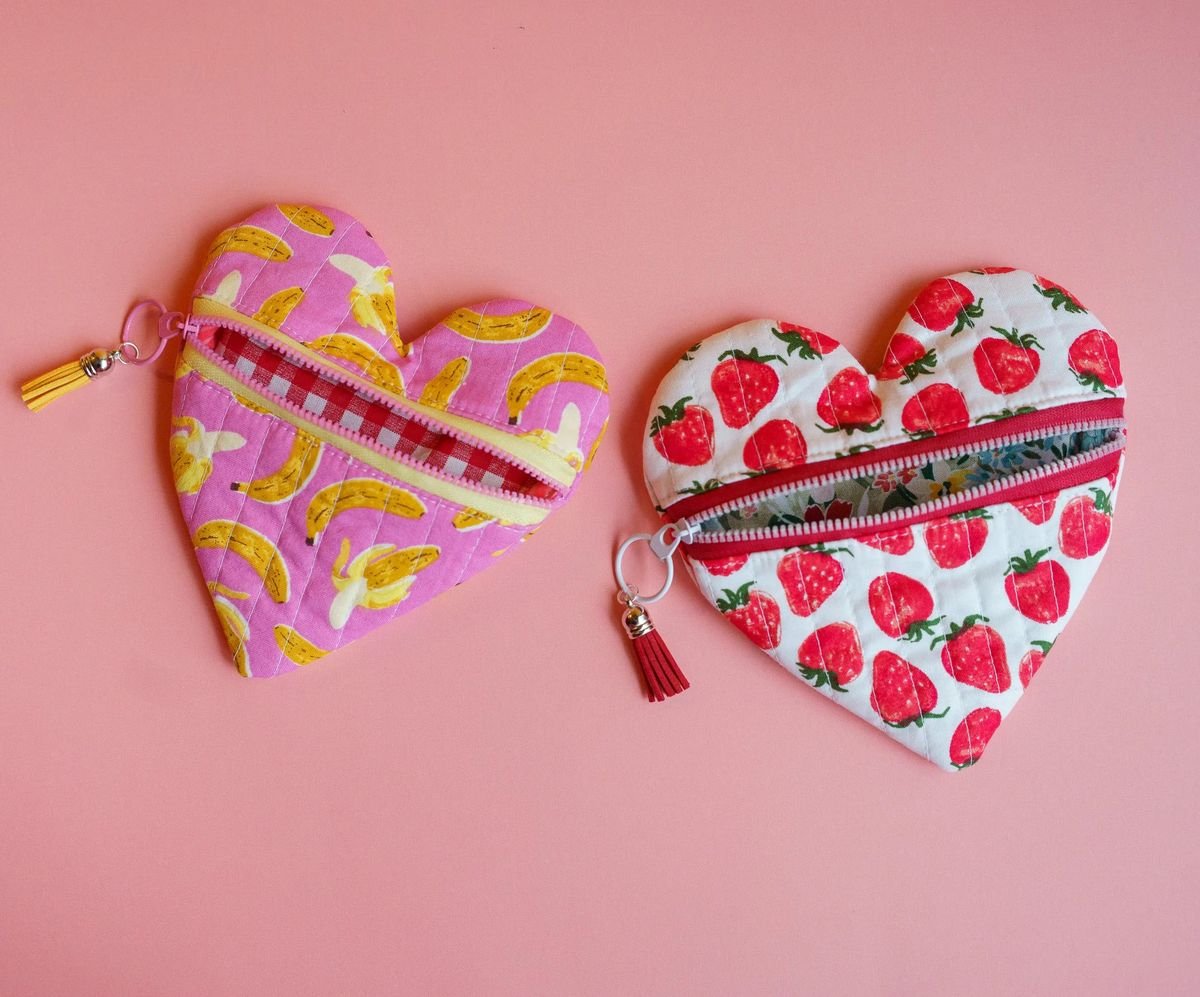
1. Essential Materials and Preparation for Heart-Shaped Pouches
Before launching into the sewing process of our heart-shaped pouches – tutorial, gathering the right high-quality supplies is paramount for a seamless crafting experience. You will need outer fabric, lining fabric, coordinating thread, a reliable zipper or snap button, and some fusible interfacing to give your heart structure. Choosing the right textiles can make a massive difference in how your final product holds its shape and handles daily wear and tear.
For the exterior, medium-weight woven cotton, linen, or even lightweight denim work beautifully because they offer stability without being too bulky to sew around tight curves. The lining fabric should ideally be a lighter cotton lawn or poplin that complements or contrasts nicely with your exterior design. Do not skip the fusible interfacing, as this hidden layer adds the necessary body, preventing your heart-shaped pouches from looking floppy or distorted over time.
Once your materials are gathered, your first actual task in this heart-shaped pouches – tutorial is to create or print your paper template. Draw a symmetrical heart on a piece of sturdy cardboard, ensuring it is wide enough to accommodate the opening mechanism you choose. Cut out the paper pattern carefully, keeping in mind that a smooth template directly translates to smooth fabric pieces later on.
With your pattern ready, press your fabrics thoroughly with an iron to eliminate any wrinkles or folds before pinning the cardboard template down. Cutting through wrinkled fabric can alter the symmetry of your heart, leading to alignment issues during the assembly phase. Use sharp fabric shears or a rotary cutter on a cutting mat to achieve clean, unfrayed edges along the perimeter.
You will need to cut two mirror-image pieces for the exterior, two for the lining, and two pieces of fusible interfacing using your heart template. If you plan to include a zipper across the top or middle, you will need to slice your pattern precisely where the zipper will sit, adding a small seam allowance to those new edges. Organization at this stage saves a tremendous amount of time once you sit down at your machine.
Lastly, iron the fusible interfacing onto the wrong side of your exterior fabric pieces following the manufacturer’s instructions. Apply steady heat and pressure without sliding the iron around, which can shift the adhesive and cause unwanted bubbles. Once the interfacing is securely bonded and cooled, your structural components are fully prepared, and you are officially ready to proceed to the next phase of assembly.
2. Step-by-Step Sewing Guide and Curve Mastery
Now that your pieces are prepped, the core sewing phase of our heart-shaped pouches – tutorial begins, requiring focus on precision and control. If you are adding a zipper, sandwich the zipper tape between the right side of the exterior fabric and the right side of the lining fabric. Stitch carefully along the zipper teeth using a dedicated zipper foot, ensuring your lines remain perfectly straight.
Repeat this identical sandwiching process for the other side of the zipper with your remaining exterior and lining pieces. Take your time during this step of the heart-shaped pouches – tutorial to ensure that the outer edges of the heart align perfectly when the zipper is closed. Once stitched, flip the fabrics right side out and press them away from the zipper teeth, then topstitch closely along the edge for a crisp look.
The most critical moment in assembling heart-shaped pouches is joining the front and back panels while managing the distinct dips and points of the shape. Open your zipper at least halfway—this is a vital step, as forgetting to do so will leave you with an enclosed pouch that cannot be turned right side out! Pin the exterior pieces right sides together, and do the same for the lining pieces on the opposite side.
Sew completely around the perimeter of the exterior heart using a consistent seam allowance, slowing down significantly as you approach the top V-notch and the bottom point. When you reach the exact bottom point, leave your sewing machine needle down in the fabric, lift the presser foot, pivot the fabric, lower the foot, and continue sewing up the other side. This pivoting technique ensures a sharp, well-defined point.
Sew around the lining pieces in the same manner, but remember to leave a three-inch opening along one of the flatter sides of the lining. This unsewn gap is absolutely necessary for turning the entire project inside out later on. To ensure the curves lay perfectly flat without bunching up, take your scissors and clip small V-shaped notches into the seam allowance all around the curved sections.
Be incredibly careful not to cut through your actual stitching line while clipping these essential relief notches. Trim the excess bulky fabric at the very bottom point of the heart to allow for a crisp definition when turned. Once clipped, reach through the gap left in the lining, grab the exterior fabric, and gently pull the entire pouch right side out through the open zipper.
3. Finishing Touches and Creative Customization Ideas
With your pouch turned right side out, you are now entering the rewarding finishing stage of this heart-shaped pouches – tutorial. Use a blunt tool, like a chopstick or a specialized turning tool, to gently push out the bottom point and the upper curves from the inside. Avoid using sharp scissors for this task, as they can easily poke straight through your hard work and ruin the seam.
Once the heart shape is fully defined and looking beautiful, tuck the raw edges of the lining opening inward so they align with the rest of the seam. Press the edge flat with your iron, then edge-stitch the opening closed using your machine, or sew it by hand with an invisible ladder stitch. Push the completed lining down into the exterior shell, smoothing out any internal lumps or bumps.
Give your completed project a final, thorough press with plenty of steam to set the stitches and give it a polished appearance. At this point in our heart-shaped pouches – tutorial, you have a fully functional pouch, but the fun does not have to stop at basic assembly. Customization is where you can truly let your artistic personality shine through your handmade creations.
Consider adding a small fabric tab or a metal D-ring into the side seam during the assembly phase so you can attach a wristlet strap. This simple addition transforms your heart-shaped pouches into convenient, portable wristlets perfect for quick errands or nights out. You could also attach a sturdy lobster clasp to turn the pouch into a whimsical clip-on charm for a larger backpack or tote bag.
For those who love surface embellishments, embroidery is a fantastic way to elevate the visual appeal of your fabric choice. You can embroider delicate floral patterns, initials, or sweet phrases onto the exterior panel before fusing the interfacing and sewing the pieces together. Alternatively, sewing delicate lace trim around the border can give your pouch a vintage, romantic aesthetic that makes it an unforgettable gift.
If you enjoy working with alternative materials, try experimenting with different textiles like soft leather, corduroy, or velvet for luxury variations. You can also play around with quilting the exterior fabric to a layer of cotton batting before cutting out the heart shape. This quilting technique adds delightful texture, extra padding, and a classic cozy feel to your customized accessories.
4. Troubleshooting Common Sewing Mistakes for Perfect Results
Even experienced crafters encounter occasional hurdles, which is why this heart-shaped pouches – tutorial includes a dedicated troubleshooting section. One of the most frequent issues occurs when the top center of the heart looks puckered or distorted after turning. This usually happens because the relief clips in the seam allowance were not deep enough, or the stitching line wasn’t pivoted cleanly at the exact center vertex.
To fix a puckered top indentation, turn the pouch wrong side out again and inspect the exact center point of the V-shape. Ensure your stitches form a sharp angle rather than a lazy curve, and make a single precise snip down into the seam allowance right at the point, stopping a millimeter before the thread. Turning it back right side out should instantly resolve the tension and flatten the fabric.
Another common complaint when making heart-shaped pouches is a blunt or completely rounded bottom point instead of a sharp, crisp vertex. This issue is almost always caused by failing to trim away the excess fabric bulk inside the seam allowance before turning. Fabric needs room to sit inside a sharp corner; if there is too much bulk, it will naturally push outward and round the point.
Un-turn the pouch and trim the seam allowance right at the bottom tip at a 45-degree angle, leaving just a tiny bit of fabric. Be careful not to slice the thread, then use your turning tool to firmly but gently press that corner outward again. Taking your time with this step ensures your heart looks perfectly defined and professionally made.
If your zipper seems sticky or catches on the fabric when opening and closing, your topstitching may have been placed too far from or too close to the teeth. When fabric sits too close to the mechanical elements of a zipper, it easily gets caught in the slider during regular operation. To avoid this, always topstitch roughly an eighth of an inch away from the fabric edge, keeping the path clear.
Lastly, if your pouch feels too flimsy or fails to retain its characteristic shape when filled with items, your interfacing choice might be too light. Next time you follow this heart-shaped pouches – tutorial, try swapping lightweight interfacing for a firm woven option or even a fusible fleece layer. The extra internal structure will support the weight of your items and maintain the beautiful contours of your project indefinitely.
FAQ
What is the best fabric to use for a heart-shaped pouch?
The best fabric for creating sturdy pouches is 100% quilting cotton, linen, or lightweight canvas for the exterior. These fabrics are easy to cut, press, and sew, making them ideal for handling the intricate curves of a heart shape. For the lining, a smooth, lightweight cotton poplin works best to reduce bulk inside the project.
Can I make this project without a sewing machine?
Yes, you can absolutely complete this project entirely by hand using a strong backstitch for the main seams and an invisible ladder stitch for closing the lining. While hand-sewing will take considerably more time, it allows for a high degree of control around the tight curves and sharp points of the heart.
Why is my heart shape looking asymmetrical after I sew it?
Asymmetry usually traces back to the cutting phase or uneven seam allowances during stitching. To ensure perfect symmetry, always fold your paper pattern template in half when designing it to make sure both lobes match exactly. When sewing, use a consistent seam guide on your machine needle plate and move slowly around the curves.
How do I choose the right zipper size for this tutorial?
It is always best to choose a zipper that is at least two to three inches longer than the actual width of your heart template. Working with a longer zipper allows the bulky metal slider to stay completely out of the way while you sew the side seams. You can easily cut off the excess zipper length after stitching it securely into place.
Is fusible interfacing absolutely mandatory for this pouch?
While not strictly mandatory, fusible interfacing is highly recommended if you want your pouch to maintain its beautiful aesthetic over time. Without interfacing, woven cotton fabrics tend to sag and lose their distinct heart definition when items like coins or keys are placed inside.
Can this pattern be scaled up to create a larger bag?
Yes, this design is infinitely scalable to suit your specific creative needs. You can easily enlarge the cardboard pattern template to create a heart-shaped crossbody bag, a cosmetics case, or even a decorative throw pillow. Just remember to scale your zipper length and interfacing weight accordingly to support the larger dimensions.
Conclusion
This heart-shaped pouches – tutorial has provided you with all the essential steps, from material selection and precise cutting to mastering complex curves and implementing beautiful customizations.
By understanding the importance of interfacing, clipping your seam allowances, and pivoting at the points, you can consistently create flawless, professional-grade fabric pockets. These charming creations are perfect for organizing your daily essentials or giving to loved ones as heartfelt, handmade tokens of affection.