
How to Make Bow Tie Block – Tutorial is one of the most rewarding projects you can undertake as a quilting enthusiast, whether you are just beginning your sewing journey or have years of experience under your belt. This classic quilt block offers a delightful blend of vintage charm and geometric simplicity, making it a timeless favorite across generations of makers. In this comprehensive guide, we will break down every single step required to master this beautiful design, ensuring you achieve crisp corners and perfect dimensions.
When learning how to make bow tie block patterns, you unlock an incredible amount of creative freedom with your fabric choices. You can dive into your scrap bins to create a vibrant, eclectic scrap quilt, or carefully curate a modern, two-tone minimalist aesthetic that highlights the sharp geometry of the design. The magic of this specific block lies in its structural versatility, and this detailed tutorial is designed to give you the confidence to slice, stitch, and press your way to a flawless finish.
Mastering this block does not require advanced technical skills, but it does demand accuracy in cutting and a solid understanding of the traditional 3D bow tie quilt block technique or the classic flat piecing method. Throughout this how to make bow tie block – tutorial, we will explore the best structural practices, essential sewing notions, and strategic pressing secrets that professional quilters use. Grab your rotary cutter, turn on your sewing machine, and let’s dive into the ultimate step-by-step process.
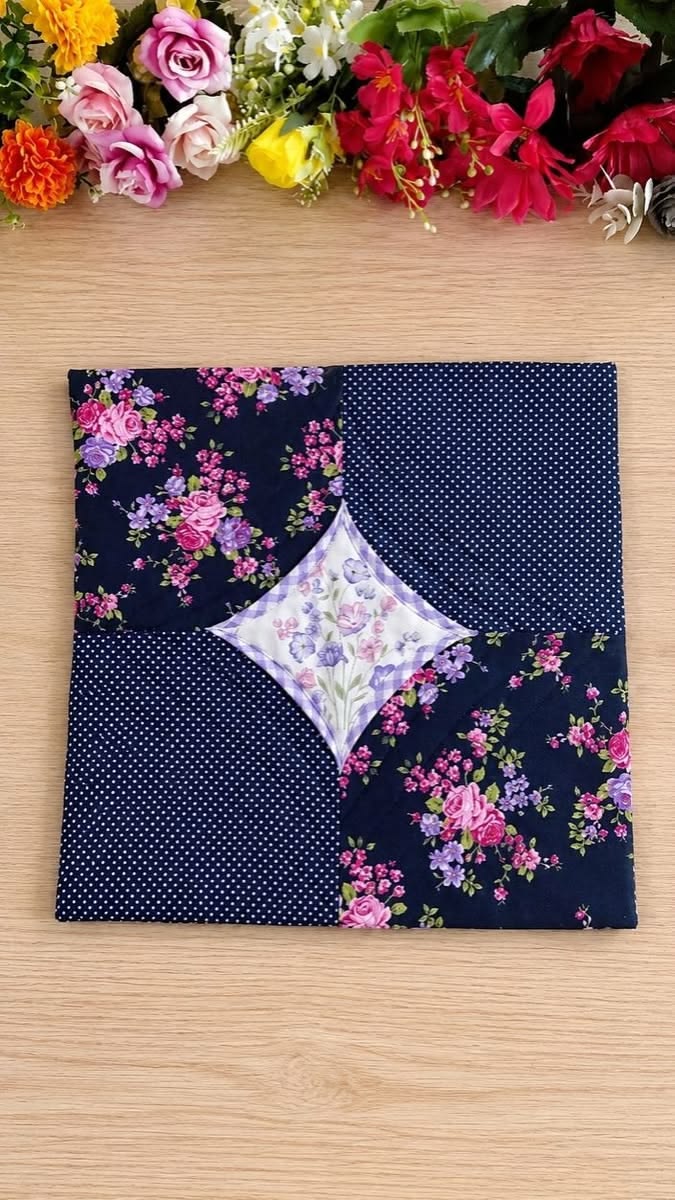
1. Choosing the Perfect Fabric and Cutting Your Pieces
Selecting the right fabric is the foundational step of learning how to make bow tie block designs that truly stand out. For a classic look, choosing two contrasting fabric styles—one dark or patterned for the actual bow tie and one light or neutral for the background—creates a stunning visual pop. High-quality 100% quilting cotton is highly recommended for this tutorial because it holds its shape beautifully, resists fraying, and presses into incredibly crisp flat seams.
To begin your project, you will need to cut four equal-sized main squares for each individual block you plan to create. For a standard 6-inch finished block, you will need to cut two squares from your background fabric and two squares from your main bow tie fabric, each measuring 3.5 inches. Keeping your cutting precise at this stage ensures that your final block aligns perfectly without any awkward puckering.
In addition to the main squares, the secret weapon of the how to make bow tie block anatomy is the creation of the small center knots. You will need to cut two smaller squares from your main bow tie fabric, measuring exactly 1.5 inches for a standard block. These smaller squares are what create the iconic diagonal fold, giving the illusion of a tied bow once everything is stitched together.
Before you even touch your sewing machine, organizing your cut pieces into neat piles will save you an immense amount of time. Grouping your background squares, main bow tie squares, and small knot pieces makes the assembly line process much smoother. This organizational habit is a staple of any efficient quilting tutorial and prevents accidental mix-ups with your fabric orientation.
Using a rotating cutting mat and a sharp rotary cutter will drastically improve your cutting accuracy for these pieces. Accurate cutting is the secret foundation of learning how to make bow tie block layouts because even a fraction of an inch can throw off your alignment later. Take your time during this preparation phase to set yourself up for absolute piecing success.
If you are working with a busy print for your main bow tie fabric, consider using a solid, neutral background like cream, white, or soft gray. This contrast allows the geometric shape of the bow tie to remain the clear star of the show. Now that your pieces are perfectly prepped and cut, you are fully ready to move on to the actual sewing machine work.
2. Step-by-Step Piecing and Sewing the Small Knots
The core magic of learning how to make bow tie block patterns happens when you attach the small squares to the background pieces to form the illusion of a knot. Take your two small 1.5-inch squares and use a water-soluble fabric pen or a fine pencil to draw a precise diagonal line on the wrong side of each square. This line will act as your definitive sewing guide, ensuring your seam runs perfectly from corner to corner.
Next, place one small square on the top corner of a background square, ensuring the right sides of the fabrics are facing each other. The drawn diagonal line should run across the corner, cutting off the corner point visually. Align the outer edges perfectly, as this precise placement is a crucial element of our how to make bow tie block – tutorial for achieving sharp, clean points.
Take this aligned pair to your sewing machine and stitch directly on top of the drawn diagonal line. Using a shorter stitch length can help secure these smaller pieces and prevent the seams from pulling apart later. Once stitched, flip the small triangle over toward the corner to verify that it perfectly covers the background fabric underneath.
Use a clear quilting ruler to measure a quarter-inch away from your stitched line toward the outside corner point, and carefully trim away the excess fabric. Trimming this extra layer prevents bulk from building up inside your quilt block, which is essential for achieving a completely flat finish. Repeat this exact trimming and pressing process for the second background square and small knot piece.
Press the newly formed triangle units outward toward the corner using a hot, dry iron to lock the stitches in place. Professional quilters emphasizes that pressing, rather than ironing with a sliding motion, prevents the fabric from stretching out of shape along the bias. You now have two completed background units with integrated bow tie corners ready for the final assembly.
This clever corner-triangle technique is often referred to as the stitch-and-flip method, and it is a fundamental skill in modern quilting. It completely eliminates the need to cut and sew awkward, tiny diamond shapes, making this how to make bow tie block approach incredibly accessible. With these two corner units prepped, you are halfway through constructing your beautiful block.
3. Assembling the Four-Patch Layout and Aligning Seams
Now that your components are prepped, it is time to arrange them into a classic four-patch configuration on your design layout table. Lay out your pieces so that the two main bow tie squares sit diagonally opposite each other. Then, place your two modified background units in the remaining diagonal spaces, ensuring the small bow tie corners meet precisely in the exact center.
When arranged correctly, you will instantly see the iconic bow tie shape emerge before your eyes on your workspace. This visual confirmation is always an exciting moment in any how to make bow tie block – tutorial because it shows your hard work coming together. Double-check the orientation carefully, as it is surprisingly easy to accidentally rotate a block unit before sewing.
To assemble the layout, you will work in rows by flipping the right-hand squares over onto the left-hand squares, pinning them securely at the raw edges. Sew down the side using a precise quarter-inch seam allowance, which is the absolute gold standard for successful quilting. Maintaining a consistent seam allowance ensures your finished block measures exactly the size you intended.
After sewing the two separate rows, it is time to press your seams in opposing directions to facilitate perfect nesting. Press the top row’s seam allowance toward the main bow tie square, and press the bottom row’s seam allowance toward the background square. This professional technique allows the seams to lock together tightly when you join the two rows, preventing any awkward bulk at the center point.
Place the top row onto the bottom row with right sides together, carefully feeling with your fingers to ensure the center seams nestle perfectly against each other. Insert a fine sewing pin directly through the nested intersection to prevent the fabric from shifting as it passes under the machine needle. This pinning step is vital for learning how to make bow tie block patterns with perfectly aligned centers.
Sew the two rows together along the long edge using your steady quarter-inch seam allowance, removing the pins just before they reach the needle. Once you finish this seam, open up the block to admire how beautifully the center points meet. Your mastery of this how to make bow tie block – tutorial is now fully visible in this perfectly constructed block.
4. Advanced Layout Ideas and Squaring Up the Finished Block
The final step in learning how to make bow tie block layouts like an expert is squaring up your finished block to ensure it is perfectly uniform. Place a square quilting ruler over your completed block, aligning the center lines of the ruler with the center seams of your fabric. Use your rotary cutter to trim away any tiny fragments of uneven fabric from the outer edges.
Squaring up your blocks guarantees that when you sew multiple blocks together into a massive quilt top, every single row will line up effortlessly. A perfectly squared block should measure exactly 6.5 inches by 6.5 inches at this stage, yielding a clean 6-inch block once sewn into a quilt. Skipping this step can lead to a wavy quilt top, so treat it as an essential part of the process.
Once you have mastered a single block, you can begin exploring incredible secondary patterns by rotating the blocks in different directions. For instance, arranging four bow tie blocks so that their backgrounds all meet in the center creates a secondary medallion frame. This design versatility is why the how to make bow tie block framework is so celebrated in the global quilting community.
Alternatively, pointing all the bow ties in the exact same direction creates a beautiful, cascading lattice effect that draws the eye across the quilt. You can also mix up the scale of your pieces, creating massive 12-inch blocks for a fast project, or tiny 3-inch blocks for an intricate challenge. This flexibility ensures you will never get bored of using this amazing tutorial.
If you want a fun variation, you can also experiment with making a 3D bow tie quilt block by leaving the center knot unpressed and folded outward. This adds a wonderful dimensional texture to baby quilts and sensory blankets, giving little fingers something soft to touch. No matter which variation you choose, the core piecing skills you learned today remain exactly the same.
Now that your block is completely trimmed, pressed, and squared, it is ready to be incorporated into a pillow, a table runner, or a full-sized heirloom quilt. Take a moment to celebrate your new skill, as mastering this pattern opens up a world of beautiful quilting design opportunities. You have successfully completed the process, turning simple fabric squares into a work of geometric art.
Frequently Asked Questions
What is the best fabric for a bow tie quilt block?
The absolute best fabric for this project is 100% quilting cotton because of its stability, minimal stretch, and ability to hold crisp seams. You can easily use batik fabrics, linen blends, or even upcycled denim if you are looking for a unique, structured look.
Can a beginner complete this bow tie block tutorial successfully?
Yes, this design is highly recommended for beginners because it uses straight seams and basic square shapes. The stitch-and-flip method used for the center knot completely removes the need for complex templates or difficult inset seams.
How do I make a 3D bow tie quilt block instead of a flat one?
To make a 3D version, you fold a larger square fabric strip in half and insert it directly into the center seam during assembly without sewing down the outer diagonal edges. This allows the center bow loops to stand up off the background fabric, creating a fun dimensional texture.
What size should I cut my squares for a 12-inch finished block?
To create a 12-inch finished bow tie block, you should cut your four main squares at 6.5 inches each, and your two smaller center knot squares at 2.5 inches each. Always remember to maintain your strict quarter-inch seam allowance throughout the assembly.
Why are my bow tie center points not aligning perfectly?
Misaligned center points are usually caused by an inconsistent seam allowance or forgetting to nest your seams before sewing the rows together. Pressing your row seams in opposite directions and pinning securely at the intersection will instantly solve this issue.
How do I press the seams of a bow tie block to avoid bulk?
Press the small corner units outward toward the corner, then press the horizontal row seams in opposite directions from each other. When joining the final two rows together, you can also fan open the very center intersection to allow the block to lay completely flat.
Conclusion
In this comprehensive how to make bow tie block – tutorial, we have successfully covered every crucial stage of creating this iconic quilt design from scratch. From selecting contrasting fabrics and cutting precise squares to mastering the stitch-and-flip technique for the center knots, you now possess the skills to create beautiful, crisp blocks.
We also explored row assembly, the importance of nesting seams, and how squaring up your finished blocks ensures a professional, flat quilt top. Whether you choose a classic flat assembly or want to venture into a textured 3D bow tie quilt block, the creative possibilities for your future quilts are truly endless.