
The Chatelaine Quilter’s Pattern is a beautiful blend of function, tradition, and design. Named after the historical “chatelaine”—a decorative clasp worn by women to hold practical tools—this quilting style is known for its organization, symmetry, and artistic storytelling. It has become a favorite among modern and traditional quilters alike who enjoy working on pieces with deep historical roots and room for creative interpretation.
This pattern often starts with a central motif and expands outward using balanced, repeating blocks. The structured nature of the Chatelaine Quilter’s Pattern allows for creative freedom while providing a framework that’s easy to follow. It’s perfect for quilters looking to tell a personal story, highlight symbolic designs, or explore historical quilting motifs in a modern way.
In this article, we’ll take a closer look at the origins of this timeless design, explore materials and techniques, show you how to create your own version, and provide tips for adding your own flair. Whether you’re a seasoned quilter or just beginning, understanding the Chatelaine Quilter’s Pattern will inspire your next fabric masterpiece.
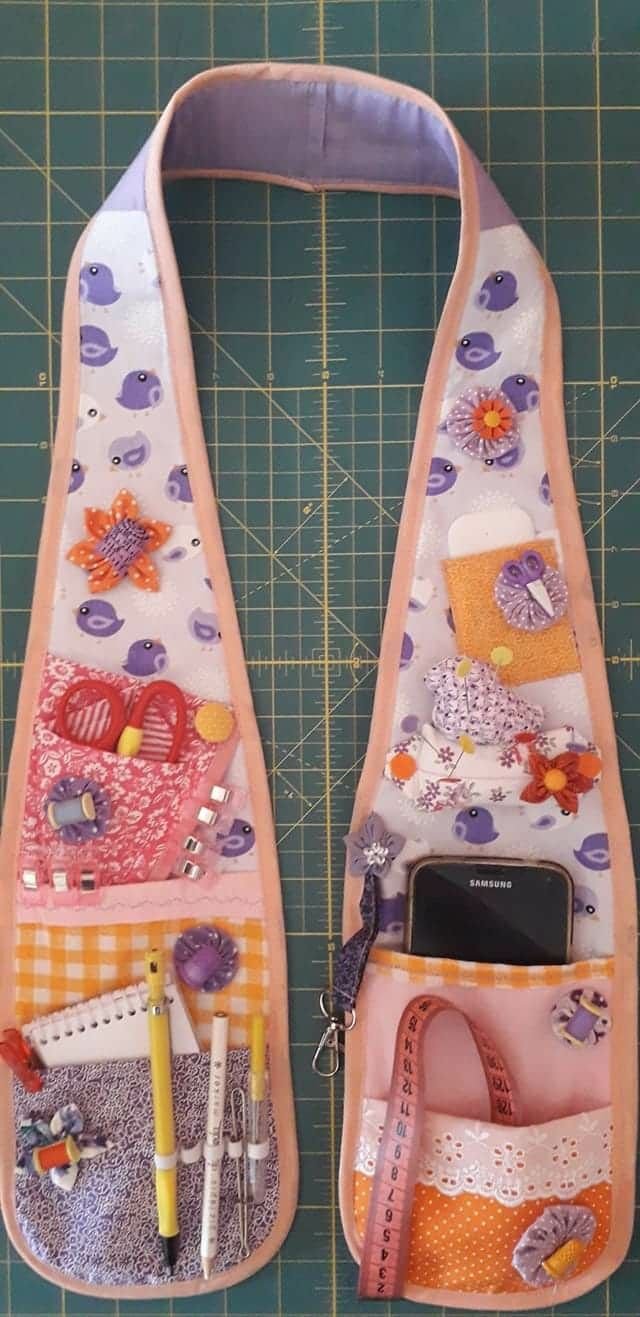
1. Origins and Symbolism of the Chatelaine Quilter’s Pattern
The term “chatelaine” originated in Europe during the 18th and 19th centuries. Women of the house wore ornamental chains around their waists, with tools like scissors, keys, and thimbles attached—symbolizing their control over domestic life. These accessories were both practical and beautiful, much like the quilting patterns they inspired.
Quilters adopted the idea of the Chatelaine Quilter’s Pattern by designing quilts around a strong central block, often representing the heart of the home. This center would then be surrounded by complementary motifs, creating a symmetrical and organized layout that reflected the structure of a chatelaine accessory.
The pattern gained popularity as a way to tell stories or commemorate family history. Each block in the design could carry meaning—names, dates, traditional motifs, or even embroidered symbols. This made the quilt not just a functional item, but a narrative in textile form.
Heirloom quilts often feature this pattern as a way to preserve memories and represent multiple generations. It’s common to see variations of the Chatelaine Quilter’s Pattern in wedding quilts, anniversary gifts, and family keepsakes. The format lends itself perfectly to storytelling through design.
In modern quilting, the chatelaine concept has evolved to include more abstract or contemporary interpretations. While traditional versions might focus on florals, stars, or simple shapes, modern chatelaine quilts often incorporate geometric designs, bold colors, or even mixed media elements.
Regardless of how you choose to interpret it, the symbolism behind the Chatelaine Quilter’s Pattern remains powerful. It connects past and present, giving makers a way to blend historical tradition with personal creativity in every stitch.
2. Materials and Tools for Creating a Chatelaine Quilt
To make your own Chatelaine Quilter’s Pattern, you’ll need a combination of essential quilting tools and thoughtfully chosen fabrics. Because the design is structured and often detailed, the right materials will help you achieve a clean, polished look.
Start by selecting high-quality quilting cotton. This fabric is easy to cut, sew, and press—making it ideal for precision work. When choosing prints and solids, consider a cohesive color palette that supports the visual flow of your quilt, especially from the center block outward.
You’ll also need standard quilting tools such as a rotary cutter, a self-healing cutting mat, quilting rulers, and fabric marking pens. Accuracy is especially important in the Chatelaine Quilter’s Pattern due to the symmetry and repetition of blocks, so take your time measuring and cutting.
Think about the thread you’ll use—not just for sewing seams, but for quilting lines. Cotton or polyester thread in neutral tones is great for piecing. For decorative stitching, variegated or metallic thread can add texture and detail to your work without overpowering the pattern.
If your design includes appliqué, embroidery, or embellishments like buttons or lace, gather those materials in advance. The Chatelaine layout often includes personalized or ornate touches, making these elements especially meaningful in the final quilt.
You’ll also need batting and backing fabric. Choose a batting that gives you the loft you desire—flat for a clean look or high-loft for a puffier, more dimensional effect. Backing fabric should match the theme and color of the quilt, creating harmony on both sides.
Finally, consider using a design wall or large workspace to lay out your blocks. This will help you visualize the symmetry and balance before sewing the pieces together. It’s a small step that makes a big difference when working with a layout like the Chatelaine Quilter’s Pattern.
3. Assembling Your Chatelaine Quilter’s Pattern
With your materials ready, it’s time to build your quilt. The Chatelaine Quilter’s Pattern usually starts with a central block, which acts as the focal point of your design. This can be a complex pieced design, an appliqué motif, or even an embroidered panel that sets the theme.
Once your centerpiece is complete, begin constructing the surrounding blocks. These may be made up of simple squares, stars, or triangles—anything that complements the center design. Maintain symmetry by repeating shapes or colors in each layer as you work outward.
Use sashing strips between blocks to create visual space and structure. These strips can be narrow or wide depending on your desired look. Sashing is especially helpful for defining block edges and making the central layout pop.
When joining blocks and sashing, use a 1/4-inch seam allowance consistently. Press your seams carefully—open or to the side—to ensure smooth assembly. Well-pressed seams contribute to a professional finish and keep your quilt square.
After piecing the top, create your quilt sandwich with batting and backing. Baste the layers together using pins, spray adhesive, or thread basting. Take care to smooth out wrinkles, as the symmetrical design of a Chatelaine quilt can highlight any puckering or misalignment.
Now it’s time to quilt. You can quilt by hand or machine, using stitching lines that emphasize the radial layout of your design. Echo quilting around the center block or following the path of your borders adds depth and guides the eye across the quilt.
4. Personalizing Your Chatelaine Quilt
The Chatelaine Quilter’s Pattern is highly customizable, allowing you to infuse personal meaning into every part of the quilt. Many makers choose to personalize the central block with initials, family crests, or commemorative dates.
One idea is to use photo transfer fabric to include family photos or historical images in your design. This creates a visually compelling and emotionally resonant centerpiece, perfect for a memory quilt or anniversary gift.
Add hand embroidery for texture and narrative. Embroidered quotes, symbols, or motifs can enrich your quilt with unique elements that won’t be found in commercial designs. This also gives your piece a tactile, heirloom-quality finish.
Play with color and texture to enhance the storytelling aspect. You might choose fabrics that represent different phases of life, like pastels for childhood and earth tones for adulthood. This kind of symbolism turns your quilt into a visual diary.
Don’t be afraid to break the mold with modern variations. Some contemporary quilters take liberties with the Chatelaine layout by using asymmetry or mixed media. The structure is still there—but the interpretation becomes more abstract and artistic.
Finally, label your quilt. Include your name, date, location, and any message you want to pass down. A quilt label is more than just a signature—it’s a vital part of the story, and it ensures your work is remembered for years to come.
FAQ – Chatelaine Quilter’s Pattern
Q1: What is a Chatelaine Quilter’s Pattern?
A: It’s a quilt layout centered around a focal block, surrounded by balanced, symmetrical patchwork. Inspired by historical chatelaines, it symbolizes structure and personal storytelling.
Q2: Is this pattern suitable for beginners?
A: Yes, but it requires attention to layout and symmetry. Beginners can start with fewer borders and simpler blocks before attempting more complex designs.
Q3: What size should a Chatelaine quilt be?
A: The pattern is flexible—it can be a small wall hanging, lap quilt, or full-sized bedspread, depending on your preference and layout complexity.
Q4: Can I modernize the Chatelaine pattern?
A: Absolutely. Modern versions use bold colors, abstract shapes, or digital prints while maintaining the core layout of a central motif and organized blocks.
Q5: What type of fabric works best?
A: 100% quilting cotton is ideal due to its stability. You can also incorporate silk, linen, or mixed textures for added visual interest.
Q6: Do I have to quilt by hand?
A: No. You can machine quilt, hand quilt, or use a combination. The quilting style should complement the pattern and fabric.
Conclusion
The Chatelaine Quilter’s Pattern is more than just a quilting layout—it’s a creative journey through structure, history, and personal expression. From its symbolic origins to its modern interpretations, this pattern offers limitless possibilities for anyone with a love for
fabric and storytelling.
In this article, we explored the roots of the Chatelaine design, discussed the materials needed, walked through the construction process, and looked at ways to personalize your quilt. Whether you’re creating an heirloom or experimenting with color and shape, this pattern invites you to be both precise and imaginative.
If you’ve enjoyed this guide or have experience working with the Chatelaine Quilter’s Pattern, please leave a sincere comment with your thoughts, suggestions, or personal quilting stories. We’d love to hear how you bring this timeless design to life in your own unique way.