
Crochet shoes – pattern designs have become an exciting and accessible way for crafters of all skill levels to create unique, comfortable, and fashionable footwear. Whether you’re a seasoned crochet enthusiast or just starting, learning to make crochet shoes using a reliable pattern is both a creative and practical endeavor. The rise in DIY fashion and sustainable crafting has only increased the popularity of these handmade shoes, and for good reason.
Handmade crochet shoes offer style, flexibility, and a personal touch that mass-produced footwear simply can’t match. With the right crochet pattern, you can customize every detail — from color and size to the type of yarn and the shoe sole. This personalization makes them not only stylish but also a thoughtful gift option. Plus, there’s something deeply satisfying about wearing something you’ve made with your own hands.
In this article, we’ll explore various aspects of creating crochet shoes from patterns, offer tips to help you choose the best pattern, explain common mistakes to avoid, and suggest ways to care for your finished product. Let’s dive into the art of crocheting shoes and uncover why this hobby is gaining global traction.
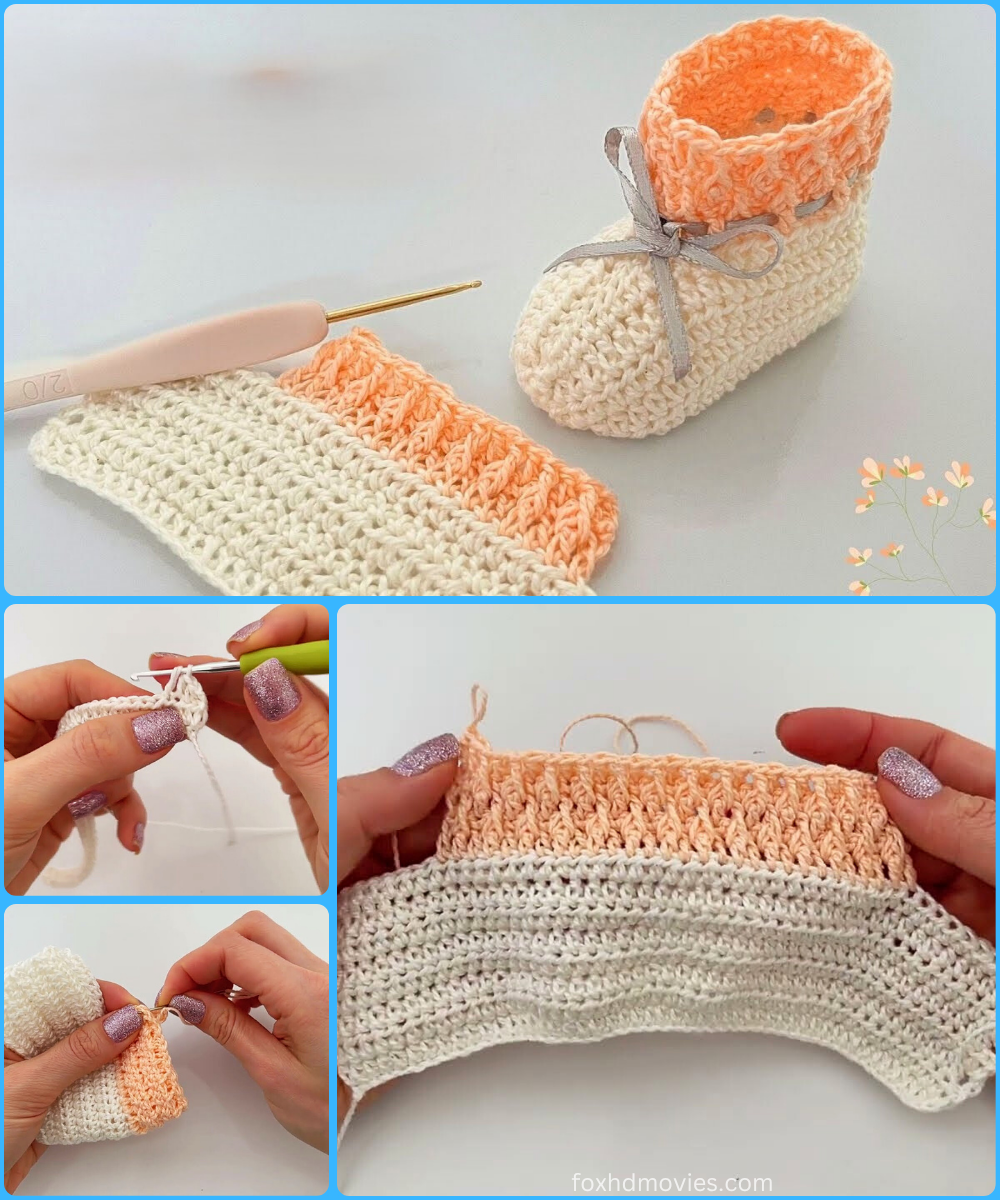
1. Understanding Crochet Shoes and Patterns
Crochet shoes are essentially handmade shoes constructed using yarn and a crochet hook, often paired with soft or rubber soles. These shoes can vary in style—from baby booties and slippers to summer sandals and even loafers for adults. The type of crochet pattern you use will guide the design, structure, and level of difficulty.
A high-quality crochet shoes pattern provides clear, step-by-step instructions to help ensure your project is a success. These patterns often include detailed stitch guides, materials lists, sizing charts, and even images to support visual learners. Whether you prefer written instructions or charts, there’s a pattern style for every preference.
Choosing the right yarn is crucial. Cotton yarn is a popular choice because it’s breathable and easy to work with. However, for more structure, some patterns recommend acrylic blends or even t-shirt yarn for durability and strength. Be sure to follow the pattern’s yarn weight suggestions for the best results.
Sole choice is another critical aspect. Some crafters crochet the entire shoe, while others prefer attaching their crocheted tops to pre-made soles for added support. There are many tutorials and kits available to help you with this step if you’re a beginner.
The type of stitches used in crochet shoes patterns can range from basic single crochet (sc) to more decorative stitches like shell or puff. Beginners should start with simple patterns that use basic stitches and work their way up to more advanced designs as they gain confidence.
Understanding gauge and sizing is essential. Always make a test swatch before starting your project to ensure that your shoes will fit properly. Many patterns include size adjustments, which is particularly helpful when making shoes for different age groups or foot sizes.
2. How to Choose the Right Crochet Shoe Pattern
The abundance of crochet shoes patterns available online and in print can feel overwhelming. The key to success lies in choosing a pattern that suits your skill level and desired shoe type.
Start by identifying your experience level. If you’re new to crocheting shoes, look for beginner-friendly patterns with clear step-by-step instructions. Avoid overly complex stitches or multi-piece constructions until you’re more confident in your skills.
Consider the shoe’s purpose. Are you making indoor slippers, summer sandals, or stylish everyday flats? The intended use will determine the yarn type, thickness, and durability requirements. Some crochet shoes patterns are even designed specifically for baby booties, which use softer yarns and smaller hooks.
Check the pattern’s clarity and reviews. Patterns from reputable designers usually include detailed images, stitch counts, and clear formatting. Reading user reviews or seeing completed projects from others can give you a better idea of the pattern’s reliability and difficulty.
Digital patterns vs. printed books is another choice to consider. Online marketplaces like Etsy or Ravelry offer instant access to thousands of unique crochet shoes – pattern designs, while craft books provide curated, tested patterns that are often bundled with helpful tips and visuals.
Don’t forget to check for support. Some pattern creators offer email support, video tutorials, or access to crafting communities where you can ask questions or share your progress. This can be incredibly helpful, especially when working through tricky parts of a new pattern.
Lastly, consider patterns with customization options. Many advanced crochet shoe patterns allow you to personalize size, style, and even color combinations. These flexible patterns ensure you’ll get a one-of-a-kind result every time.
3. Common Mistakes to Avoid When Crocheting Shoes
Making crochet shoes is rewarding, but there are a few pitfalls that can frustrate beginners. By being aware of common mistakes, you can avoid wasted materials and disappointing results.
One major issue is ignoring gauge. Failing to make a gauge swatch can lead to shoes that are too tight or too loose. Always follow the pattern’s gauge instructions to ensure a good fit.
Using the wrong type of yarn can also affect your outcome. Stretchy or overly soft yarns may not hold the shape of the shoe, leading to sagging or discomfort. Stick with sturdy yarns recommended by the pattern, especially for the shoe’s sole and sides.
Incorrect hook size is another culprit. Hook size directly affects the tension and size of your stitches. Using a larger or smaller hook than recommended can throw off your entire project, so always check and double-check your tools before starting.
Improper seaming or sole attachment can make the shoes uncomfortable or fall apart over time. Take care when stitching pieces together, and ensure your sole is securely fastened using strong, reinforced stitches.
Skipping pattern instructions is a common mistake for overconfident crafters. Even if you’ve made similar projects before, it’s crucial to read through the entire crochet pattern before beginning. There may be unique techniques or construction methods involved.
Lastly, be patient with yourself. Crocheting shoes, especially for the first time, involves a learning curve. Mistakes will happen, but they’re a part of the process. Keep practicing, and your technique will improve.
4. Tips to Make Your Crochet Shoes Last Longer
After putting time and effort into making your crochet shoes, it’s only natural to want them to last as long as possible. Fortunately, with a few simple care practices, you can extend their life significantly.
Start by choosing the right yarn from the beginning. Durable fibers like cotton blends or t-shirt yarn hold up better to wear and tear. Avoid fuzzy or delicate yarns unless you’re making indoor-only slippers.
Reinforce the soles. If your pattern doesn’t include this step, consider adding a leather, felt, or rubber layer to the bottom of your crochet shoes. This will protect the stitches and make them more suitable for outdoor use.
Avoid wearing them in wet or muddy conditions unless they’re made with waterproof materials. Water can stretch or weaken yarn fibers, causing your shoes to lose shape or become uncomfortable.
Clean them gently. Most crochet shoes patterns will advise hand washing in cold water and air drying flat. Avoid wringing or using harsh detergents, as this can damage the fibers and cause fading.
Store them properly. Keep your crochet shoes in a cool, dry place away from direct sunlight. Stuffing them with tissue paper or using shoe trees can help maintain their shape between wears.
Finally, do regular inspections and repairs. If you notice any loose threads or worn areas, fix them promptly. This will prevent minor damage from turning into major issues.
FAQ – Frequently Asked Questions About Crochet Shoes Patterns
Q1: Are crochet shoes durable enough to wear outside?
Yes, they can be, especially if reinforced with proper soles. Using sturdy yarn and adding a rubber or leather base improves their durability significantly.
Q2: What is the best yarn for crochet shoes?
Cotton or cotton-blend yarns are commonly recommended because they offer breathability and structure. T-shirt yarn is also a great choice for added durability.
Q3: Can I adjust the size of the shoe using a pattern?
Most crochet shoes patterns include size guides and adjustment tips. You can often change hook sizes or add/remove rows to customize the fit.
Q4: Are crochet shoes patterns suitable for beginners?
Absolutely! Many beginner-friendly patterns use simple stitches and step-by-step instructions. Start with a basic slipper or baby shoe pattern to build confidence.
Q5: How long does it take to crochet a pair of shoes?
It depends on the complexity of the pattern and your skill level. Simple designs can take 3–5 hours, while intricate patterns may take longer.
Q6: Can I sell shoes I make from a crochet pattern?
In most cases, yes. However, always check the pattern’s licensing terms. Some designers allow selling finished products, while others may restrict commercial use.
Conclusion
Crochet shoes – pattern crafting is more than a hobby—it’s a rewarding and creative journey that lets you blend fashion with functionality. From selecting the right yarn and pattern to mastering techniques and caring for your finished shoes, each step is an opportunity to grow as a crafter. Whether you’re making gifts, personalizing your wardrobe, or launching a small business, crocheting shoes opens the door to endless possibilities.
If you enjoyed this guide, we’d love to hear your honest opinion and any suggestions you have for future topics. Your feedback helps us improve and keeps the crochet community thriving. Happy crocheting!