
If you’re looking for a quick and easy way to add a touch of handmade charm to your projects, a crochet bow is the perfect solution. This simple yet versatile pattern is a must-have for any crocheter’s repertoire, allowing you to create countless embellishments for everything from hats and headbands to blankets and bags. Whether you’re a seasoned crocheter or a complete beginner, mastering the crochet bow is an achievable and rewarding skill that opens up a world of creative possibilities. With just a few simple stitches and some basic supplies, you can whip up a collection of charming bows in no time.
The beauty of a crochet bow lies in its simplicity and versatility. This pattern can be customized with different yarn weights, hook sizes, and stitch variations to create bows of various sizes, textures, and styles. From delicate and dainty bows for baby accessories to large and statement-making bows for larger projects, the options are endless. By understanding the fundamentals of a crochet bow pattern, you’ll be empowered to design your own unique creations and add a personalized touch to all your crochet and knitting projects. Let’s delve into the details of this delightful and straightforward pattern.
In this comprehensive guide, we’ll walk you through everything you need to know about creating the perfect crochet bow. We’ll explore essential techniques, provide clear and concise instructions for a simple bow pattern, and share valuable tips for achieving professional-looking results. Whether you’re an experienced crafter or taking your first steps into the world of crochet, this guide will equip you with the knowledge and confidence to create beautiful and versatile bows for all your projects. So, grab your crochet hook, choose your favorite yarn, and let’s get started on your crochet bow journey!
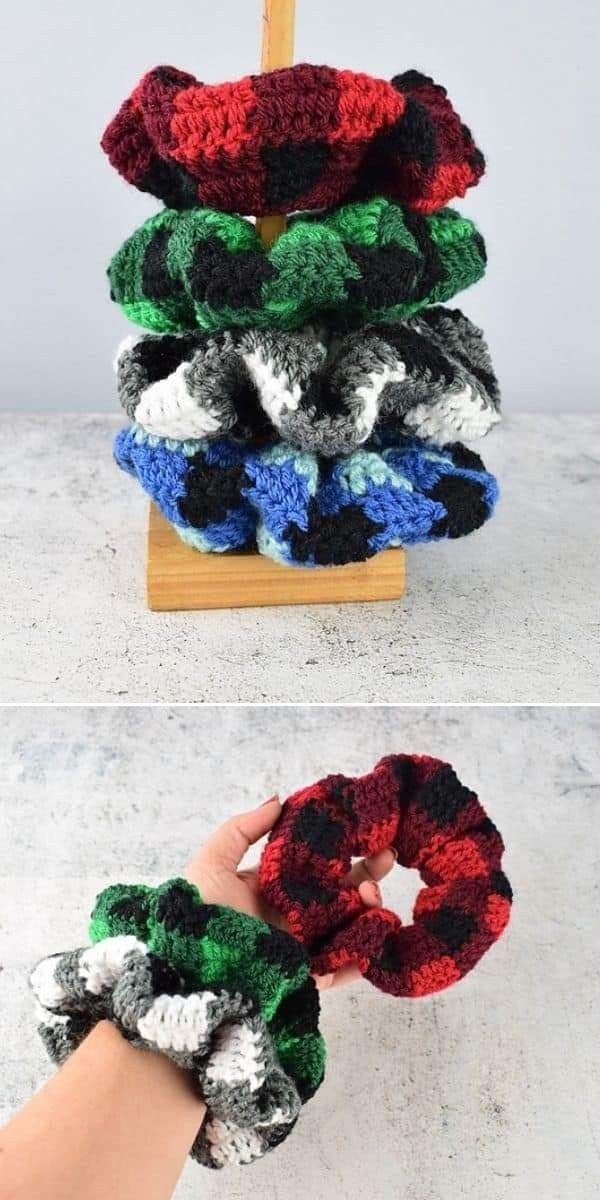
1. The Essential Anatomy of a Crochet Bow
To understand how a crochet bow comes together, let’s break it down into its core components. A typical crochet bow consists of a main body, which forms the loop section, and a central band that cinches the body, creating the characteristic bow shape. The body is usually a simple rectangular piece, while the central band can be a simple strip of crochet or even just a few wraps of yarn.
The specific crochet stitches you choose for the body of your bow can significantly impact its overall look and feel. Single crochet stitches result in a dense and sturdy bow, perfect for functional embellishments. Half double crochet and double crochet stitches create softer, more pliable bows with a slightly different texture. You can also experiment with decorative stitches to add unique textures and patterns to your bows.
The size of your crochet bow is directly determined by the number of stitches you work across the width and the number of rows you complete. For larger bows, you’ll naturally need a longer starting chain and more rows. Smaller bows, on the other hand, require fewer stitches and rows. A good rule of thumb is to create a starting chain that is slightly longer than your desired finished width, as the cinching process will reduce its overall length.
While a basic crochet bow consists of two main parts, you can add further customization to enhance its appeal. Tails, for example, can be added to the bottom of the bow for a classic aesthetic. You can also sew the central band into place with a different colored yarn to create a contrasting center. Consider adding beads or other embellishments to the center of the bow to add a touch of sparkle or personalization.
Understanding the tension and stitch definition of your work is crucial for achieving well-formed crochet bows. Pay attention to how your stitches are laying and strive for consistent tension throughout your project. If your stitches are too tight, your bow might be stiff and misshapen. Conversely, if your stitches are too loose, the bow may lose its shape easily. Consistent stitch definition ensures that your bow looks neat and professional.
While many crochet bow patterns are worked in flat rows, some variations can be created using techniques like joined rounds. This approach can be particularly useful for creating rounder, more puffed-up bows. As you gain more experience, you can explore advanced techniques for creating complex bow shapes, such as layered bows or bows with intricate designs.
2. Gathering Your Crochet Bow Supplies
To start creating your beautiful crochet bows, you’ll need a few essential supplies. First and foremost, you’ll need a crochet hook suitable for your chosen yarn. The hook size will determine the density and overall size of your stitches. It’s often helpful to refer to the recommended hook size mentioned in your specific crochet bow pattern or on the yarn label. Experimenting with different hook sizes can yield various results, allowing you to customize your bows.
Your choice of yarn will significantly influence the final appearance and texture of your crochet bow. Thinner yarns, like cotton thread or lace weight yarn, will create delicate and intricate bows. Medium-weight yarns, such as worsted or bulky yarn, will result in larger and more substantial bows. Consider the intended use of your bow when selecting yarn. For headbands or baby accessories, softer and more delicate yarns are generally preferred. For blankets or bags, sturdier yarns might be a better choice.
To ensure your crochet bow retains its shape, it’s often helpful to have a slightly smaller crochet hook for the central band. This allows you to create a tight and secure cinching effect, giving your bow that classic structured look. Having a variety of hook sizes available gives you more flexibility and control over the final product. Additionally, keep a pair of scissors and a yarn needle handy for finishing touches.
Yarn needles are essential for weaving in the loose ends of your crochet project, ensuring a neat and polished appearance. When attaching your bow to other projects, like a headband or blanket, a sharp yarn needle and some thread or the same yarn you used will be necessary. Investing in a good set of yarn needles with various sizes will serve you well for all your crochet and knitting endeavors.
Consider the color and pattern of your yarn when designing your crochet bows. Solid colors create clean and classic bows, while multi-colored or self-striping yarns can add a playful and unique touch. You can even combine different colored yarns to create contrasting central bands or tails. When designing, think about the overall aesthetic you want to achieve.
Beyond the basics, you might also find stitch markers helpful for keeping track of your rows and stitches, especially for more intricate patterns. Measuring tapes can be useful for ensuring your bows are the consistent size you intended. Ultimately, the most important supply you need is your creativity and a desire to make something beautiful.
3. Step-by-Step Simple Crochet Bow Pattern
To make a fundamental crochet bow, start by selecting your yarn and appropriate hook. This straightforward pattern involves creating a simple rectangle and then gathering it in the center. We’ll use single crochet stitches for this example, which create a sturdy and well-defined bow.
Step 1: Create a slip knot and chain a length that corresponds to your desired width of the bow. For a small bow, you might chain 10; for a larger bow, try 15-20. Remember to consider that the center band will gather the fabric, making the final bow slightly narrower than your initial chain.
Step 2: Start your first row of single crochet stitches. Skip the first chain from the hook and single crochet in each remaining chain across. At the end of the row, chain one and turn your work. This initial chain functions as the first stitch of the next row.
Step 3: Continue working in single crochet rows until your rectangle reaches the desired height. Aim for roughly half as many rows as your initial chain count. For example, if your starting chain was 10, work for about 5 rows. Remember to chain one and turn at the end of each row.
Step 4: Once your rectangle is complete, cut your yarn, leaving a long tail of about 8-10 inches. Pull the tail through the last loop on your hook to secure the stitch. You should now have a neat rectangular piece of crochet fabric.
Step 5: Lay your rectangle flat with the right side facing up. Pinch the center of the rectangle together, creating the bow shape. Use the long yarn tail to wrap tightly around the center, securing the gathered fabric. Adjust the tension as needed to ensure the bow is evenly shaped. Continue wrapping until you have a central band of the desired width.
Step 6: To secure the central band, thread the yarn tail onto a yarn needle. Pull the tail through several wraps on the back of the bow, making sure it is tight and secure. You can also weave the tail through the main body of the bow to ensure a lasting hold. Finally, weave in any other loose ends and trim them. Your basic crochet bow is now ready!
4. Creative Variations and Finishes
While the basic crochet bow pattern is simple and elegant, you can add countless variations to create unique and personalized designs. Consider varying your stitch choices. Instead of single crochet, try half double crochet, double crochet, or even a slip stitch texture. Each stitch pattern will yield a different look and feel, expanding your creative possibilities.
Adding tails to your bow is a popular way to enhance its classic aesthetic. Simply crochet two separate, smaller strips of fabric in the same yarn and attach them to the bottom of the gathered center. You can adjust the length and width of the tails to suit your preference. Experiment with different colors or textures for the tails to create a unique contrast.
To add a touch of sparkle and personalization to your bows, consider embellishing the central band. You can sew on beads, buttons, pearls, or even small charms. Consider the intended use of the bow and choose embellishments that are safe and appropriate. Embellishments can transform a simple bow into a stunning statement piece.
Experimenting with color can truly transform your crochet bows. Use multi-colored or self-striping yarns to create unique patterns and designs. Combine contrasting colors for the main body and the central band for a striking look. Don’t be afraid to mix and match colors to match your personal style or the project the bow will adorn.
Incorporating other craft techniques can further enhance your crochet bows. Consider attaching them to felt backings for added structure and stability. You can also use wire frames to create stiffer bows that hold their shape even with softer yarns. Think outside the box and combine crochet with other materials for truly distinctive results.
Ultimately, the best way to develop your unique style is through experimentation. Don’t be afraid to deviate from standard patterns and try new techniques. Combine different stitch patterns, explore various embellishments, and play with color combinations. The more you practice and explore, the more refined and creative your crochet bows will become.
FAQ: Common Questions About Crochet Bow Patterns
Q: Can I use any type of yarn for a crochet bow?
A: Yes, you can use almost any type of yarn to make a crochet bow! The yarn weight will influence the final size and texture, so choose one that aligns with your desired outcome. Thicker yarns create larger, softer bows, while thinner yarns create smaller, more delicate ones. Consider the intended use of the bow when selecting your yarn.
Q: How do I choose the right crochet hook size?
A: Refer to the recommended hook size on the yarn label or the specific crochet bow pattern you are following. Typically, you’ll want to use a hook size that creates clear, defined stitches with appropriate tension. If your stitches feel too loose or too tight, you might need to adjust your hook size. Experimentation is often key to finding the right combination.
Q: Can I make crochet bows without sewing?
A: Yes, you can! Many crochet bow patterns are designed to be entirely “no-sew.” This often involves creating the central band by wrapping the yarn tail tightly around the gathered rectangle, rather than creating a separate piece and sewing it on. Some variations may use slip stitches to join pieces instead of traditional sewing techniques.
Q: How can I make my bows symmetrical?
A: Pay close attention to your stitch counts and row counts on each side of the central gathering point. Ensuring consistent tension throughout your work is also crucial. When cinching the bow, strive to distribute the gathers evenly. Don’t be afraid to adjust and manipulate the fabric until you’re satisfied with the balance.
Q: How do I attach a crochet bow to a project?
A: Use a yarn needle and the same yarn or a coordinating thread to sew the bow securely onto your project. Choose attachment points that will hold the bow in place without distorting its shape or the object it’s being attached to. Take care to conceal the attachment stitches for a neat finish.
Conclusion
Creating a crochet bow is a rewarding and accessible skill for crocheters of all levels. By mastering the fundamental crochet bow pattern, you gain a valuable embellishment technique that can personalize countless projects. We’ve explored the essential anatomy, discussed supply choices, and provided clear step-by-step instructions.
We’ve also highlighted ways to customize and embellish your bows, empowering you to create unique and beautiful additions to your handiwork. Remember that practice is key, and don’t be afraid to experiment with different stitches, colors, and textures. Now that you have the knowledge and tools, it’s time to unleash your creativity and make your own collection of beautiful crochet bows.