
Patchwork flowers tutorials are one of the most delightful ways to bring a burst of color and a touch of handmade charm into your sewing projects. Creating these beautiful textile blossoms allows crafters to play with color combinations, utilize small fabric scraps, and master precise piecing techniques that elevate any quilting endeavor. Whether you are looking to embellish a tote bag, create a stunning quilt block, or design a standalone piece of textile art, learning how to assemble these floral designs is a rewarding milestone for quilters of all skill levels.
In this comprehensive patchwork flowers tutorial, you will discover the foundational techniques required to transform simple geometric fabric shapes into stunning, intricate floral designs. The beauty of this craft lies in its versatility; you can opt for a modern, minimalist aesthetic using solid fabrics or lean into a vintage, cozy vibe by mixing playful floral prints and gingham. By mastering the basic construction steps, you unlock endless possibilities for customizing your projects and expressing your unique creative vision through fabric.
As we dive into this step-by-step guide, you will find that accuracy and patience are your best friends when piece-stitching delicate petals. We will cover everything from selecting the right cotton fabrics and cutting precise templates to pressing your seams perfectly to achieve flat, professional-looking blocks. Get your sewing machine threaded, press your favorite fabric scraps, and let’s explore the wonderful, creative world of creating fabric blossoms together.
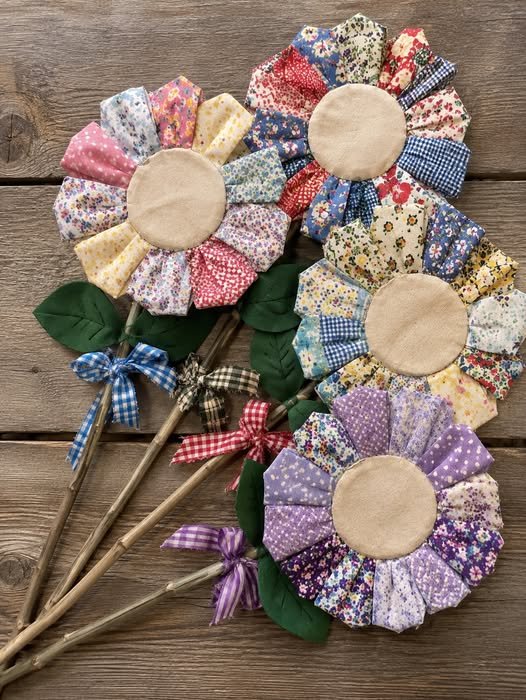
1. Choosing the Right Fabrics for Your Patchwork Flowers
Selecting the perfect material is the critical first step in ensuring your floral blocks stand out beautifully. High-quality quilting cotton is the absolute gold standard for this project because it holds its shape well, doesn’t fray excessively, and comes in an infinite array of colors and patterns. When picking your palette, aim for a balance of light, medium, and dark values so that your petals do not blend into the background or look muddy.
Integrating various prints can give your floral design incredible depth and personality. Consider combining small-scale florals, dots, and stripes with solid colors to make the individual petals pop. For a cohesive look, choose a dominant color theme for the petals, a contrasting bright tone for the flower center, and soft greens or neutral creams for the surrounding background fabric.
Don’t overlook the power of texturizing your project by utilizing your scrap fabric stash. A scrappy patchwork flower has a timeless, charming appeal that tells a story through different fabric remnants. Sorting your scraps by color family beforehand will help you maintain a sense of deliberate design while embracing a fun, mismatched aesthetic.
Before making your first cut, it is highly recommended to pre-wash and press all your chosen fabrics. Pre-washing prevents unexpected shrinking later on, and a crisp, well-ironed piece of fabric ensures that your cutting lines remain incredibly accurate. Taking this extra time during preparation saves you from alignment headaches during the machine-stitching phase.
Organization is equally important when dealing with multiple small pieces of fabric. Group your cut petal pieces, center squares, and background rectangles into separate piles or small trays near your workstation. Keeping your workspace tidy prevents you from accidentally sewing a background piece where a colorful petal should be.
Ultimately, fabric selection is where your personal artistry shines brightest in this craft. Trust your creative instincts, experiment with unexpected color combinations on a design wall or tabletop, and remember that contrast is the secret key to making your beautiful handiwork clearly visible from across the room.
2. Cutting and Preparing the Fabric Templates Precisely
Precision cutting is the absolute backbone of any successful quilting project, and this remains true for our detailed guide. To achieve crisp points and perfectly aligned blocks, you will want to utilize a high-quality rotary cutter, a self-healing cutting mat, and a clear acrylic quilting ruler. These tools allow you to cut multiple layers of fabric safely, quickly, and with absolute mathematical accuracy.
For a standard floral block, you will generally need to cut a central square, several matching squares for the inner petals, and contrasting pieces for the outer edges. If you are working with a specific pattern template, trace the shapes carefully onto the wrong side of the fabric using a water-soluble fabric marker or standard tailor’s chalk. Always measure twice and cut once to prevent wasting your favorite premium fabrics.
When cutting your shapes, pay close attention to the fabric grain lines to minimize stretching along the biased edges. Fabric cut on the bias is inherently stretchy, which can easily distort your delicate petal shapes when you feed them through your sewing machine. Whenever possible, align the straight edges of your templates with the lengthwise or crosswise grain of the woven cotton.
If your specific design incorporates curved piecing for rounded petals, consider creating sturdy templates out of template plastic or heavy cardboard. This allows you to trace the exact shape repeatedly without the edges of your template wearing down and altering the dimensions. For beginners, sticking to geometric, straight-edged petals like half-square triangles is a fantastic way to build confidence.
Once all your individual fabric components are cleanly cut, layout the entire block design on a flat surface right next to your sewing machine. This visual layout acts as a live blueprint, allowing you to double-check that your fabric placement matches your intended pattern. It also makes it incredibly easy to pick up pieces in pairs as you prepare to sew them together.
Take a final look at your prepared pieces to ensure there are no stray threads or uneven edges that could compromise your seam allowance. A clean, perfectly square set of initial pieces sets you up for a flawless sewing experience. With your pieces accurately prepped and beautifully arranged, you are now ready to bring the design to life at the sewing machine.
3. Step-by-Step Assembly of the Flower Blocks
Now that preparation is complete, it is time to begin stitching our pieces together using a precise quarter-inch seam allowance. This consistent seam width is vital in quilting; even a tiny fraction of an inch variance can cause your final block to twist or end up smaller than intended. Set your sewing machine to a short stitch length to ensure the seams remain tight and secure during handling.
Begin by assembling your units in rows, usually starting with the top row of background and upper petal pieces. Place your fabrics right sides together, align the raw edges perfectly, and pin them securely in place before sewing. Feed the fabric smoothly through the machine without pulling or pushing, letting the feed dogs do the work.
Once your individual rows are stitched, it is time to move to the ironing board for proper pressing. Press your seams toward the darker fabric whenever possible to prevent the seam allowances from showing through lighter background fabrics. To achieve perfectly flat intersections where rows meet, try nesting your seams by pressing alternating rows in opposite directions.
Next, join the completed rows together to build the full vertical structure of your gorgeous textile blossom. Pin generously at every intersection where seams meet, ensuring that the nested seams lock tightly against one another. Sew slowly across these bulky intersections to prevent your needle from deflecting or skipping stitches.
After the entire block is fully assembled, give it a final, thorough press from both the front and the back. Use a hot, dry iron and press straight down rather than sliding the iron across the fabric, which can cause unwanted distortion. If desired, a light misting of premium fabric starch can add extra crispness and help the block hold its shape perfectly.
Measure your finished block with your square acrylic ruler to confirm it matches your target dimensions and is completely square. If it is slightly uneven, you can gently trim the outer background edges, being careful not to cut into your quarter-inch seam allowances on the points. Congratulations, your first stunning block is complete and ready to be integrated into a larger project.
4. Creative Ways to Incorporate Your Floral Blocks
Once you have mastered the construction of these blocks, you can explore a multitude of fun, creative applications for them. One of the most popular options is combining multiple blocks together to create a stunning, vibrant patchwork flower quilt that brings the beauty of a garden indoors. You can alternate the floral blocks with solid sashing to give each individual flower room to breathe visually.
If a full-sized quilt feels too ambitious for your current timeline, these blocks are perfectly sized for smaller home decor accents. Transform a single completed block into a charming quilted throw pillow cover by adding a simple envelope backing. This is a quick weekend project that instantly injects a cozy, handcrafted touch into any living room or bedroom.
These floral designs also make incredible statement pieces when repurposed into functional everyday accessories. You can easily integrate a block into the exterior panel of a handmade quilted tote bag, an insulated lunch pouch, or a protective laptop sleeve. Utilizing your blocks on items you carry daily is a wonderful way to showcase your creative sewing skills to the world.
For table decor, consider sewing a linear row of these blossoms together to create a gorgeous seasonal table runner for spring or summer gatherings. Alternatively, a single block bounded by a simple fabric border makes a beautiful, heat-resistant hot pad or an oversized mug rug for your morning coffee. These smaller items also make thoughtful, cherished gifts for friends and family.
If you enjoy mixed media or wearable art, you can applique smaller fabric flowers onto denim jackets, canvas backpacks, or the pockets of your favorite jeans. This upcycling technique breathes exciting new life into old garments while letting you practice your hand-stitching or free-motion machine quilting. The contrast between rugged denim and delicate patchwork is incredibly fashionable.
Don’t be afraid to experiment with the scale of your patterns by scaling the templates up or down to suit your specific project needs. Larger blocks make fast quilts, while miniature blocks challenge your precision and look dazzling on delicate pouches. No matter how you choose to use your finished pieces, the skills you have developed will continue to enhance your crafting journey.
Frequently Asked Questions (FAQ)
What is the best type of thread to use for piecing patchwork flowers?
For piecing these detailed blocks, a high-quality 50-weight 100% cotton thread is highly recommended. It is thin enough to prevent bulk in your seam allowances, yet remarkably strong enough to hold your pieces securely together over years of use and washing. Neutral colors like soft grey, tan, or off-white blend in seamlessly with almost any fabric color palette you choose.
Can a beginner successfully complete this patchwork flowers tutorial?
Absolutely. While some floral designs can look incredibly complex, they are fundamentally made up of simple, basic quilting units like squares, rectangles, and half-square triangles. By taking your time, cutting accurately, and practicing a consistent quarter-inch seam allowance, beginners can achieve beautiful, professional results on their very first try.
How do I prevent my fabric points from getting cut off when sewing rows?
To keep your beautiful petal points sharp and fully visible, make sure your stitching line passes exactly through the vertex where the seams intersect on the back of your block. When joining rows, look at the wrong side of the pieced unit and aim your needle right through the “X” created by the previous seams. This ensures your points remain perfectly crisp on the front side.
Is it necessary to use a rotary cutter, or can I use regular scissors?
While you can certainly use traditional fabric shears by tracing your templates carefully onto the fabric, a rotary cutter and acrylic ruler offer a level of speed and straight-line precision that scissors simply cannot match. If you plan to make multiple blocks or a full quilt, investing in a rotary cutting system will save you time and drastically improve your assembly accuracy.
How should I wash a finished project containing patchwork flowers?
To preserve the bright colors and integrity of your handiwork, wash your finished quilted items in cold water on a gentle, delicate cycle using a mild, fragrance-free detergent. To prevent colors from bleeding, especially when mixing dark reds or pinks with white backgrounds, always throw a couple of commercial color-catcher sheets into the washing machine drum. Tumble dry on low heat or lay flat to dry.
Conclusion
In this patchwork flowers tutorial, we have explored the entire rewarding journey of creating gorgeous fabric blossoms, from carefully selecting contrasting quilting cottons to executing precise cuts and assembling your rows with a perfect quarter-inch seam allowance.
We also discussed various creative ways to showcase your finished blocks, whether you choose to sew a full-scale heirloom quilt, design cozy home decor pillows, or upcycle your favorite garments.