
The Log Cabin Quilt – Pattern is arguably the most recognizable and beloved design in the entire history of quilting, representing warmth, shelter, and the pioneering spirit of early American settlers. At its heart, this iconic design is a study in contrast and geometric progression, built around a central square that traditionally symbolizes the hearth of a home. Whether you are a novice looking for your first “big” project or a master quilter seeking to experiment with color theory, the Log Cabin Quilt – Pattern provides a versatile canvas that can be adapted into thousands of different visual arrangements.
When you begin working with a Log Cabin Quilt – Pattern, you are participating in a tradition that dates back centuries, yet it remains incredibly modern due to its clean lines and repeating structures. The construction method involves “building” the block by sewing strips of fabric around the center square in a clockwise or counter-clockwise fashion. This additive process is highly satisfying and allows quilters to use up their fabric scraps effectively, which is exactly how the pattern gained its popularity during times when resources were scarce and every inch of cloth was precious.
In this comprehensive guide, we are going to explore the technical nuances and creative possibilities of the Log Cabin Quilt – Pattern. We will discuss the essential materials needed to ensure your lines stay crisp, the symbolic meaning behind traditional color choices, and the various ways you can rotate your finished blocks to create breathtaking secondary designs. By the end of this article, you will have a deep understanding of why this specific pattern remains a staple in the quilting world and how you can master its execution to create a family heirloom that lasts for generations.
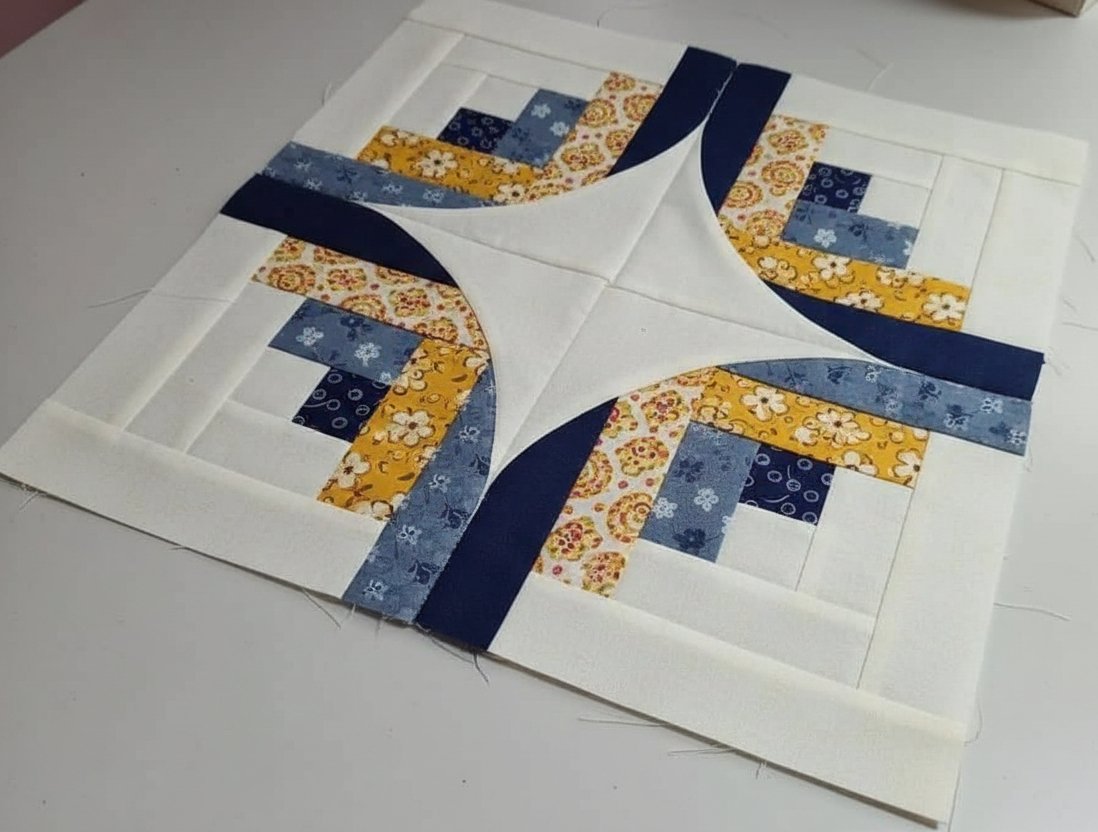
1. Understanding the Anatomy of a Log Cabin Quilt – Pattern
The core foundation of any Log Cabin Quilt – Pattern is the “hearth” square, which is the very first piece you will cut and sew. Historically, this center square was made of red fabric to represent the fire in the fireplace or yellow to represent a welcoming light in the window. Choosing a high-quality, non-stretching cotton for this center is vital because every subsequent strip of your quilt block will be anchored to this single point, making it the structural North Star of your entire project.
The “logs” of the Log Cabin Quilt – Pattern refer to the strips of fabric that radiate outward from the center. In a traditional layout, the block is divided diagonally into a “light” side and a “dark” side. This intentional use of value contrast is what allows the quilter to create complex optical illusions once the blocks are sewn together. When selecting your fabrics, focus more on how light or dark they are relative to each other rather than just the colors themselves, as this determines the visual impact of the final quilt layout.
Precision cutting is the secret to a successful Log Cabin Quilt – Pattern. Because the blocks are built incrementally, even a tiny error of a sixteenth of an inch can multiply as you move outward, resulting in a warped or “wonky” block. Using a rotary cutter, a self-healing mat, and a specialized quilting ruler is highly recommended to ensure every strip is exactly the same width. Consistency in your cutting phase will save you hours of frustration during the assembly phase.
The width of the strips in your Log Cabin Quilt – Pattern can vary depending on the look you want to achieve. Standard patterns often use 1.5-inch or 2.5-inch strips, but “Skinny Log Cabins” use much thinner strips for a more intricate, modern aesthetic. Regardless of the width you choose, the most important rule is that all strips in a single block should be consistent unless you are intentionally following a wonky log cabin style for a more primitive, improvisational feel.
Seam allowance is the “make or break” factor in a Log Cabin Quilt – Pattern. The industry standard is a scant quarter-inch seam ($1/4”$). If your seams are too wide, your finished block will be smaller than intended; if they are too thin, the structure may be weak. Many modern sewing machines come with a specialized quarter-inch foot that acts as a guide, helping you maintain a perfectly straight line as you attach each new “log” to the growing square.
Finally, the order of assembly in a Log Cabin Quilt – Pattern follows a specific sequence. You typically sew a light strip to the center, then another light strip, followed by two dark strips, repeating the cycle until the block reaches the desired size. This rhythmic “log-over-log” construction is what gives the pattern its name, mimicking the way a frontier cabin was built from the ground up. Mastering this block construction sequence is the first step toward creating more complex variations like the Courthouse Steps or the Pineapple Quilt.
2. Creative Layouts and Secondary Patterns
One of the most magical aspects of the Log Cabin Quilt – Pattern is how the finished blocks can be rearranged to create entirely different looks. The most famous layout is the “Barn Raising” style, where the light and dark halves of the blocks are positioned to create concentric diamonds. This layout draws the eye toward the center of the quilt and is a favorite for traditional quilting enthusiasts who want to showcase a sense of movement and energy.
Another popular variation for the Log Cabin Quilt – Pattern is the “Sunshine and Shadows” layout. In this arrangement, the blocks are placed so that the light sides always face each other and the dark sides always face each other, creating large alternating squares of brightness and depth. This is a fantastic way to experiment with color theory, especially if you use a wide variety of “scrappy” fabrics within the same color family to create a textured, rich appearance.
The “Straight Furrows” layout is a sophisticated take on the Log Cabin Quilt – Pattern that creates strong diagonal lines across the surface of the bed. By lining up the dark halves of the blocks in a continuous diagonal row, you create a visual “plowed field” effect. This layout is particularly effective in modern quilting when used with high-contrast colors like black and white or navy and cream, providing a bold, graphic look that fits well in contemporary home decor.
If you are looking for something more playful, the “Fields and Furrows” or “Zig-Zag” layout uses the Log Cabin Quilt – Pattern to create a lightning-bolt effect across the fabric. By staggering the direction of the blocks, the light and dark sections form a chevron-like movement. This is a great choice for nursery quilts or lap blankets where you want a sense of whimsy and fun. The versatility of the block means you can play “Tetris” with your pieces on a design wall before finally sewing them together.
The “Courthouse Steps” is a significant structural variation of the standard Log Cabin Quilt – Pattern. Instead of spiraling around the center, strips are added in pairs to opposite sides—first two on the left and right, then two on the top and bottom. This results in a symmetrical block that looks quite different from the traditional version. Many quilters prefer this symmetrical pattern because it is often easier to keep square and offers a different type of visual balance for the final quilt top.
Lastly, you can combine the Log Cabin Quilt – Pattern with other blocks to create a “Sampler” style. Because the log cabin block is so structurally sound, it pairs beautifully with star blocks or floral appliqué. Using the log cabin as a border or a frame for other designs is a clever way to add complexity to your quilting project without over-complicating the math. The possibilities are truly limited only by your imagination and the amount of fabric in your stash.
3. Essential Sewing Tips for a Perfect Log Cabin
Pressing is often the most underrated part of creating a Log Cabin Quilt – Pattern. You should never “iron” your blocks (moving the iron back and forth), as this can stretch the fabric on the bias and cause your squares to become distorted. Instead, “press” by lifting the iron and setting it down firmly. Most experts suggest pressing your seams away from the center or toward the newest “log” added to the quilt block, which helps the layers lie flat and prevents bulk at the intersections.
Using a “Design Wall” is a game-changer when working on a Log Cabin Quilt – Pattern. A design wall is simply a piece of flannel or batting pinned to a wall that allows you to “stick” your blocks up without pins. This allows you to step back and see the color balance and layout from a distance. Often, a block that looks great on your sewing table might need to be rotated or moved once you see how it interacts with its neighbors in the full quilt composition.
Chain piecing is a time-saving technique that works perfectly with the Log Cabin Quilt – Pattern. Instead of cutting your thread after every single seam, you can feed the center squares and their first logs through the machine one after another in a long “chain.” Once the whole set is done, you snip them apart and move on to the next round of logs. This efficient sewing method keeps your project organized and significantly speeds up the assembly of large-scale quilts.
Squaring up your blocks is a crucial step that should happen after every few rounds of the Log Cabin Quilt – Pattern. Even with perfect seams, fabric can shift. By using a square ruler to trim the block back to its intended dimensions at each stage, you ensure that the final product will fit together like a puzzle. This “trimming as you go” philosophy is the mark of a pro quilter and results in a quilt top that is perfectly flat and easy to quilt.
Choosing the right batting for your Log Cabin Quilt – Pattern affects the final drape and warmth. If you want a traditional, heavy feel, use 100% cotton batting. If you prefer a lighter, fluffier “puff” to your quilt, a polyester or wool blend is a better choice. The quilt batting acts as the insulation layer, and because the log cabin design has so many seams, a thinner batting can sometimes make the actual quilting process (stitching through the layers) much easier on your machine.
Thread tension and quality should not be overlooked when following a Log Cabin Quilt – Pattern. Since this pattern involves many small pieces and intersecting seams, a high-quality 50-weight cotton thread is ideal. It is thin enough to not add bulk to the seams but strong enough to hold the quilt layers together for decades. Always check your bobbin levels before starting a new round of logs to avoid the frustration of “sewing on empty” halfway through a long strip.
4. Troubleshooting and Finishing Your Log Cabin Quilt
One common issue with the Log Cabin Quilt – Pattern is “bowing,” where the edges of the block start to curve outward. This usually happens if the strips are pulled or stretched as they are being sewn. To fix this, always place the strip on the bottom and the existing block on top as you feed them through the sewing machine. The feed dogs of the machine will help pull the strip through evenly, preventing the fabric from stretching and keeping your lines straight.
If you find that your blocks are all slightly different sizes, don’t panic. You can often “fudge” the fit during the final assembly by using plenty of pins to match up the corners. However, if the difference is more than a quarter-inch, it’s better to add a small “coping strip” (a thin border) to the smaller blocks or trim the larger ones down. Consistency is the hallmark of a high-quality Log Cabin Quilt – Pattern, but a little bit of creative problem-solving is part of every quilter’s journey.
Choosing a backing fabric for your Log Cabin Quilt – Pattern is an opportunity to add a “surprise” to the underside. While some people prefer a solid neutral, others use a bold floral or even a flannel for extra coziness. If your quilt top is very “busy” with many small scraps, a simple, wide-back fabric can provide a nice visual rest. Remember to make your quilt backing at least 4-8 inches larger than your quilt top to allow for shifting during the quilting process.
Binding is the final “frame” for your Log Cabin Quilt – Pattern. Most quilters use a double-fold bias binding for maximum durability. You can choose a fabric that matches the “dark” logs to create a strong border, or use the “light” fabric for a more ethereal, floating finish. Hand-sewing the binding to the back of the quilt is a traditional touch that provides a clean, stitch-free look on the front, completing your hand-finished quilt with elegance.
Labeling your quilt is a step you should never skip. Once you finish your Log Cabin Quilt – Pattern, create a fabric label with your name, the date, and the location where it was made. You can even include a small message about why you chose the pattern. In the world of textile history, these labels are invaluable for future generations to understand the story behind the stitches and the person who poured their time and love into the project.
Finally, consider the quilting design itself (the stitching that holds the three layers together). For a Log Cabin Quilt – Pattern, “stitch-in-the-ditch” is a classic choice that emphasizes the geometric logs. Alternatively, an all-over “meandering” or “stipple” stitch can add a soft, organic contrast to the sharp lines of the cabin. Whatever you choose, the quilting should complement the pattern design and enhance the overall texture of the finished masterpiece.
FAQ – Frequently Asked Questions
Is the Log Cabin Quilt – Pattern suitable for a beginner?
Yes, it is one of the best patterns for beginners because it only requires straight-line sewing. It teaches the importance of a consistent quarter-inch seam and basic fabric cutting. Once you master the “log-over-log” construction, you will have the skills to move on to almost any other quilting project.
How many blocks do I need for a queen-sized quilt?
For a standard queen-sized Log Cabin Quilt – Pattern, you will typically need about 80 to 90 blocks if they are 12 inches square. This allows for a nice drape over the sides of the bed. If you add wide borders, you can reduce the number of blocks to around 64.
Can I use fat quarters for this pattern?
Absolutely! The Log Cabin Quilt – Pattern is very fat-quarter friendly. Since the design uses strips, you can easily cut the required “logs” from fat quarters. It’s a great way to use a coordinated fabric bundle to ensure your light and dark values work well together.
Why is the center of the block usually red?
Traditionally, the red center represents the “hearth” or the fireplace, which was the heart of the home. This bit of quilting folklore adds a layer of meaning to the pattern. However, in modern quilting, you can use any color you like to match your personal style or decor.
What is the best way to cut strips for a Log Cabin Quilt?
The most efficient way is to use a rotary cutter and a long quilting ruler. You can fold your fabric to cut multiple layers at once. Many quilters also use “jelly rolls,” which are pre-cut 2.5-inch strips, to save time and ensure that every “log” is perfectly uniform in width.
How do I stop my quilt blocks from becoming “wonky”?
“Wonkiness” is usually caused by inaccurate seams or lack of pressing. To keep your Log Cabin Quilt – Pattern square, always press your seams carefully (don’t stretch!) and use a square ruler to check the dimensions of the block after every four strips added. If it’s off, trim it before moving to the next round.
Conclusion
The Log Cabin Quilt – Pattern remains a timeless masterpiece in the sewing world because it perfectly balances simplicity with infinite complexity. We have explored the deep-rooted symbolism of the “hearth” center, the technical necessity of the “scant quarter-inch” seam, and the incredible variety of layouts like the “Barn Raising” and “Straight Furrows” that can transform a pile of blocks into a work of art. By following the incremental “log-over-log” construction and focusing on light-versus-dark value contrast, anyone can create a stunning quilt that feels both historic and modern. Whether you use a “scrappy” approach to clear out your fabric bin or a curated “jelly roll” for a polished look, the result is always a testament to the beauty of handmade craftsmanship.
We hope this article has provided you with the inspiration and technical knowledge needed to start your very own Log Cabin Quilt – Pattern! There is nothing quite like the feeling of wrapping yourself in a quilt you made with your own two hands. Please leave your sincere opinion in the comments below—do you prefer traditional red centers or something more modern? We would also love to hear your suggestions for future quilting tutorials or any tips you’ve discovered while making your own log cabin blocks!