
Creating a Mini Fabric Pouch – Tutorial is one of the most rewarding projects for both beginners and experienced sewists because it combines utility with a delightful aesthetic. These tiny organizers are perfect for holding coins, earphones, jewelry, or even small craft supplies that tend to get lost in larger bags. In this comprehensive guide, we will explore every step of the process, ensuring you have a high-quality, professional-looking result that you can be proud of.
The beauty of a Mini Fabric Pouch – Tutorial lies in its versatility; you can use scrap fabrics to create something eco-friendly or choose premium linens for a more sophisticated gift. Beyond just being a fun afternoon project, mastering the construction of a mini pouch helps you practice essential skills like installing zippers, lining interiors, and managing small seam allowances. This article is designed to walk you through the nuances of fabric selection, cutting techniques, and assembly.
When you follow a Mini Fabric Pouch – Tutorial, you are not just making a bag; you are learning the architecture of 3D sewing. Understanding how a flat piece of cloth transforms into a functional container is a fundamental skill in the world of DIY crafts. We have optimized this guide to ensure that every stitch, seam, and zipper placement is explained clearly, making the sewing process enjoyable rather than stressful. Let’s dive into the materials and techniques needed to bring your vision to life.
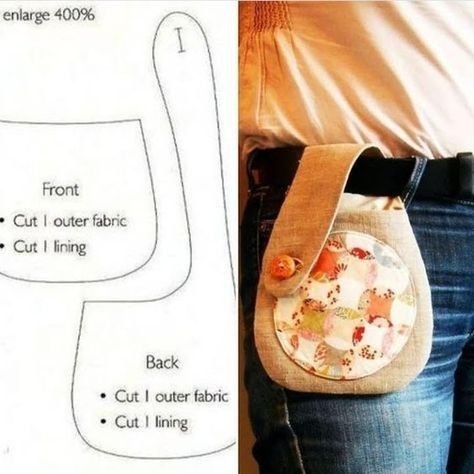
1. Essential Materials for Your Mini Fabric Pouch – Tutorial
To start your Mini Fabric Pouch – Tutorial, you first need to gather high-quality cotton fabric. Choosing a medium-weight cotton ensures the pouch holds its shape without being too bulky for a domestic sewing machine. You will need two pieces for the exterior and two for the lining to give the project a finished, professional look.
A reliable nylon zipper is the next crucial component for this miniature sewing project. It is usually best to choose a zipper slightly longer than your fabric width, as it makes the sewing process much easier—you can simply trim the excess later. Don’t forget to match your thread color to your fabric for a seamless appearance.
Fusible interfacing is the “secret ingredient” that elevates a homemade item to a boutique-quality product. By ironing a thin layer of interfacing onto the back of your exterior fabric, you provide the necessary structure to prevent the pouch from feeling flimsy. This step is highly recommended for anyone following a Mini Fabric Pouch – Tutorial.
Precision is key in small-scale sewing, so a sharp pair of fabric shears or a rotary cutter is a must-have. You will also need a quilting ruler to ensure your fabric squares are perfectly even. Small errors in cutting are much more noticeable on a mini fabric pouch than on larger projects.
You cannot complete a Mini Fabric Pouch – Tutorial without a functional sewing machine equipped with a zipper foot. This specialized attachment allows you to sew close to the zipper teeth without the foot getting caught. If you are sewing by hand, ensure you use a strong backstitch for durability.
Finally, keep a set of sewing pins or wonder clips nearby. Clips are often preferred for small pouches because they don’t distort the fabric and are easier to manage in tight corners. Having an iron ready for pressing your seams is the final touch that ensures your handmade pouch looks crisp and clean.
2. Preparing and Cutting for the Mini Fabric Pouch – Tutorial
The first technical step in this Mini Fabric Pouch – Tutorial is measuring your pieces. For a standard size, cut four rectangles (two exterior, two lining) measuring 5 inches by 4 inches. These dimensions create a perfect pocket-sized organizer that fits comfortably in the palm of your hand or a jacket pocket.
Once your fabric is cut, it is time to apply the iron-on interfacing. Place the rough side of the interfacing against the wrong side of your outer fabric and press with a hot iron. This adds “body” to the mini pouch, making it durable enough to withstand daily use inside a backpack or purse.
Alignment is everything when you are working on a Mini Fabric Pouch – Tutorial. Lay your pieces out on a flat surface to visualize the “sandwich” you are about to create. Ensuring that the fabric grain runs in the same direction across all pieces will prevent the pouch from twisting or warping after the first wash.
The zipper also needs a bit of preparation before it meets the fabric. Many crafters like to add zipper tabs—small scraps of fabric sewn to the ends of the zipper—to hide the metal stops and create a cleaner finish. This is a pro-level tip often skipped in a basic Mini Fabric Pouch – Tutorial, but it makes a huge difference.
Marking your seam allowances can be very helpful for beginners. Use a tailor’s chalk or a disappearing ink pen to draw a line 1/4 inch from the edge. In a small sewing project, consistency is more important than the specific width of the seam, so stay focused on keeping your lines straight.
Lastly, make sure your zipper pull is positioned toward the center of the fabric before you start sewing the sides shut. There is nothing more frustrating than finishing a Mini Fabric Pouch – Tutorial only to realize you’ve sewn the zipper shut with the pull on the outside! Double-checking now saves time and seam-ripping later.
3. Sewing the Zipper and Assembly Techniques
The most intimidating part of any Mini Fabric Pouch – Tutorial for a novice is the zipper installation. Start by placing your exterior fabric right side up, then place the zipper face down on the top edge. Finally, place the lining fabric face down on top of the zipper, creating a sandwich.
Secure these layers with clips and use your zipper foot to sew along the edge. Take your time and move the zipper pull out of the way as you go to avoid “bumps” in your stitching line. This technique ensures that when you flip the fabric over, the zipper is perfectly encased between the two layers.
Repeat this process for the other side of the zipper using the remaining two pieces of fabric. Once both sides are attached, it is vital to topstitch the fabric away from the zipper teeth. This prevents the lining from getting caught in the zipper mechanism and gives your mini fabric pouch a high-end look.
Now, open the zipper at least halfway—this is a critical step in the Mini Fabric Pouch – Tutorial. Match the two exterior pieces together, right sides facing, and the two lining pieces together, right sides facing. Pin all the way around the perimeter, ensuring the zipper teeth are pointing toward the lining.
Sew around the entire rectangle, but leave a 2-inch gap at the bottom of the lining fabric. This gap is the “birth canal” through which you will turn the whole pouch right side out. Use a smaller stitch length when crossing over the zipper areas to provide extra reinforcement for those high-stress points.
Trim the corners of your fabric pouch to reduce bulk, being careful not to cut through your stitches. This allows the corners to be sharp and square rather than rounded and lumpy. This attention to detail is what separates a beginner’s Mini Fabric Pouch – Tutorial from an expert-level guide.
4. Finishing Touches and Professional Secrets
The most satisfying moment of the Mini Fabric Pouch – Tutorial is reaching through the gap in the lining and pulling the exterior fabric through. Take it slow to avoid popping any stitches. Once the pouch is right side out, use a turning tool or a blunt chopstick to gently push out the corners for a crisp finish.
You will still have that small hole in the lining that needs to be closed. You can either use a ladder stitch for an invisible hand-sewn finish or simply topstitch it closed with your machine. Since it’s on the inside of the mini fabric pouch, a machine stitch is perfectly acceptable and much faster.
Tuck the lining into the exterior and give the whole project a final, heavy press with your steam iron. This “sets” the seams and makes the pouch look flat and professional. A well-pressed handmade item always looks more expensive than one that is wrinkled and puffy.
Consider adding a keyring loop or a leather pull tab to your zipper. Small details like these increase the functionality of your Mini Fabric Pouch – Tutorial result. A lobster clasp attached to a small ribbon loop sewn into the side seam allows you to clip the pouch to your keys or a belt loop.
Experimenting with different fabric textures can also change the vibe of your project. Using a canvas exterior makes for a rugged coin purse, while a silk lining adds a touch of luxury. The skills you’ve learned in this tutorial can be scaled up to create larger makeup bags or laptop sleeves.
Finally, remember that practice makes perfect. Your first mini fabric pouch might have a slightly wonky zipper, but by the third or fourth one, you will be producing them with lightning speed. These make excellent DIY gifts or items to sell at local craft fairs, as they require very little material but offer high value.
Frequently Asked Questions (FAQ)
1. What is the best fabric for a Mini Fabric Pouch – Tutorial?
The most beginner-friendly option is 100% quilting cotton. It doesn’t slip while sewing, comes in endless patterns, and handles heat well during the pressing stages. Avoid stretchy fabrics like jersey until you are more experienced.
2. Can I make this pouch without a sewing machine?
Yes! While a machine is faster, you can complete this Mini Fabric Pouch – Tutorial using a hand-sewing needle and a strong backstitch. It requires patience, but the result is just as durable.
3. What size zipper should I buy?
It is easiest to use a 7-inch or 8-inch zipper and cut it down to size. Working with a zipper that is longer than your fabric prevents the bulky pull tab from getting in the way of your sewing machine foot.
4. Why is my zipper wavy after sewing?
Wavy zippers usually happen because the fabric was stretched while sewing. Using fusible interfacing and pinning or clipping the fabric thoroughly before stitching will help keep everything flat and professional.
5. How do I clean my mini fabric pouch?
If you used cotton and quality interfacing, you can usually machine wash the pouch on a cold, delicate cycle. However, hand washing and air drying are recommended to maintain the structure of the interfacing over time.
6. Can I add a wristlet strap to this design?
Absolutely. Simply fold a small strip of fabric into a loop and sandwich it between the exterior fabric layers (facing inward) before you sew the perimeter of the pouch.
Conclusion
In this Mini Fabric Pouch – Tutorial, we have covered everything from material selection and the importance of interfacing to the technical steps of zipper installation and final assembly. You have learned how to create a structured, professional-looking mini pouch that is as functional as it is cute. By focusing on small details like topstitching and clipped corners, you can ensure your handmade creations stand the test of time.
We hope this guide inspires you to dig through your fabric scraps and start creating! Whether you are making these for yourself or as thoughtful gifts, the possibilities for customization are endless.