
The Nine Patch – block de quilt – Pattern is one of the most timeless and beloved quilting patterns in the world. Whether you’re new to quilting or an experienced quilter looking for a reliable and versatile design, the Nine Patch is a perfect starting point. Its structure is simple yet elegant, and it allows for endless variations that can fit any style or color palette.
A Nine Patch – block de quilt – Pattern is made by sewing together nine squares arranged in a 3×3 grid. Though basic in concept, the pattern offers immense creative potential, allowing quilters to play with color contrast, symmetry, and fabric placement. From baby quilts to bedspreads, this block has remained a favorite for generations due to its flexibility and ease of construction.
This article will walk you through everything you need to know about the Nine Patch – block de quilt – Pattern, including its history, how to sew it, variations to try, and tips for achieving clean, professional results. Whether you’re quilting for fun, for gifting, or for selling, mastering this pattern will become one of your most useful skills.
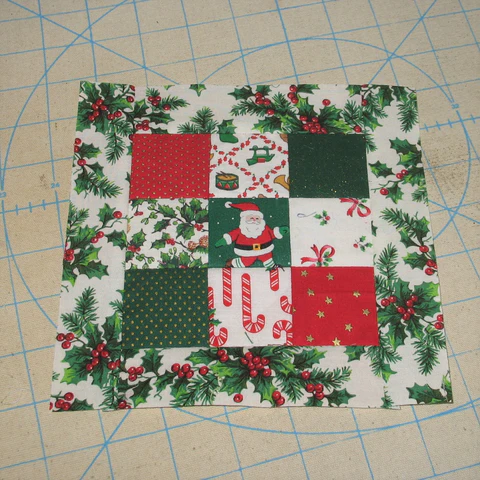
1. The History and Popularity of the Nine Patch Quilt Block
The Nine Patch – block de quilt – Pattern dates back to the early 19th century and is often associated with the American pioneer era. During that time, fabric was precious, and women used scraps to create quilts for warmth and decoration. The simplicity of the Nine Patch layout made it easy to sew by hand and ideal for using leftover fabric pieces.
One of the reasons this pattern became so popular is its modular nature. Quilters could make many blocks over time, then sew them together later to create larger quilts. This made it perfect for busy lives or quilting bees, where multiple people would contribute blocks to a shared project.
Traditionally, the Nine Patch featured alternating light and dark fabrics to create a checkerboard or grid-like effect. This high-contrast design helped make the finished quilt visually striking while still being easy to piece together.
Over the decades, the Nine Patch remained a staple in quilting circles. While quilting trends have come and gone, the Nine Patch has never gone out of style. Its balanced design and ease of adaptation make it timeless.
Today, the Nine Patch is still one of the first blocks that new quilters learn. It’s often taught in beginner quilting classes due to its straightforward cutting and sewing steps. Even advanced quilters return to this pattern when they want to create something classic, quick, or suitable for showcasing beautiful fabrics.
Its rich history and universal appeal make the Nine Patch – block de quilt – Pattern an enduring symbol of both tradition and creativity in quilting.
2. How to Sew a Nine Patch – block de quilt – Pattern
Creating a Nine Patch – block de quilt – Pattern is an excellent way to build your piecing skills and experiment with fabric combinations. The basic idea involves sewing together nine equally sized fabric squares in a 3×3 layout. Let’s break down the process.
Start by selecting your fabrics. You’ll need two or three different fabrics to create contrast within the block. A common beginner layout uses five squares of one fabric and four squares of a contrasting fabric. This layout makes the center square and corners stand out visually.
Next, cut nine squares of equal size. A common size for beginners is 4.5 inches square, which will create a finished block of 12 inches after seam allowances are taken into account. Use a rotary cutter, quilting ruler, and self-healing mat to ensure precision.
Lay out your squares in the 3×3 grid before sewing. Organizing your layout beforehand helps you visualize the final block and catch any mistakes early. This step is especially important if you’re creating a repeating pattern in a larger quilt.
Begin sewing by piecing the squares into three rows of three. Use a quarter-inch seam allowance, which is standard in quilting. After each row is sewn, press the seams. For better alignment, press the seams of the first and third rows in one direction and the middle row in the opposite direction.
Once the rows are assembled, sew them together to form the complete block. Make sure to match the seams at each junction to keep the corners sharp. A few pins can help with this, especially for beginners.
After sewing the rows together, press the entire block flat. Your finished Nine Patch – block de quilt – Pattern should now be ready to be incorporated into a full quilt layout.
3. Variations on the Classic Nine Patch Quilt Block
While the classic Nine Patch – block de quilt – Pattern is beautiful on its own, part of its charm lies in how easily it can be adapted. With a few tweaks in color, size, or layout, you can create countless unique designs.
One popular variation is the Disappearing Nine Patch. This involves sewing a traditional Nine Patch, then cutting it into four smaller sections and rearranging them. The result is a more complex-looking design that’s surprisingly simple to make.
Another variation involves using different-sized squares or rectangles within the block. Though this takes more planning, it adds texture and dimension to the quilt, giving it a modern, abstract look.
The Double Nine Patch uses a smaller Nine Patch block in place of one or more of the squares in the original layout. This recursive design creates intricate details that are visually striking and fun to construct.
Color play is another powerful tool. Try using gradient fabrics that shift in color across the block, or alternate warm and cool tones for high contrast. Fabrics with large-scale prints can also be used strategically within the block to add visual interest.
Sashing (the fabric strips between blocks) and borders can also alter the look of your Nine Patch quilt dramatically. Sashing adds structure and frames each block, while borders can tie the whole quilt together with a unifying theme.
No matter which variation you choose, the Nine Patch – block de quilt – Pattern offers a canvas for creative expression and personal style.
4. Tips for a Flawless Nine Patch Quilt Project
Even though the Nine Patch – block de quilt – Pattern is beginner-friendly, a few techniques can help improve the quality and appearance of your finished blocks.
First, always use consistent seam allowances. In quilting, even slight variations can throw off your block’s dimensions. Invest in a quarter-inch foot for your sewing machine if possible, or mark the seam guide with washi tape to keep your lines straight.
Second, take the time to press seams properly. Ironing isn’t just about aesthetics — it ensures your blocks lie flat and match up cleanly when joined together. Press seams to the side rather than open for added strength.
Third, pre-wash your fabric if it’s prone to shrinking or bleeding. This step prevents unpleasant surprises after the quilt is finished and washed for the first time. Always use fabric that is clean, dry, and pressed for accurate cutting.
Fourth, keep a design wall or a flat surface nearby to lay out your blocks. This helps you keep track of your color placement and ensures the overall layout is balanced before final assembly.
Fifth, when joining multiple Nine Patch blocks together, stagger the seams so that the bulk is evenly distributed. This prevents thick spots that are hard to sew through and keeps the quilt top even.
Finally, enjoy the process. Quilting is as much about the journey as the final result. Each Nine Patch – block de quilt – Pattern you complete brings you one step closer to creating something beautiful, functional, and entirely your own.
FAQ – Nine Patch – block de quilt – Pattern
Q1: What is a Nine Patch quilt block?
A: It’s a quilt block made of nine equal squares arranged in a 3×3 grid. It’s simple to sew and ideal for both beginners and experienced quilters.
Q2: How big should the squares be for a Nine Patch block?
A: It depends on your desired finished block size. A common choice is 4.5-inch squares, which result in a 12-inch finished block.
Q3: What’s the best fabric to use?
A: 100% quilting cotton is ideal. It’s durable, easy to work with, and comes in a wide range of prints and colors.
Q4: What’s a Disappearing Nine Patch?
A: It’s a variation where a traditional Nine Patch is sewn, cut into four pieces, and rearranged for a more complex design.
Q5: Do I need a sewing machine to make a Nine Patch?
A: While a sewing machine makes the process faster, you can sew Nine Patch blocks by hand if you prefer traditional techniques.
Q6: Can I combine Nine Patch with other blocks?
A: Absolutely! The Nine Patch pairs well with blocks like the Four Patch, Half Square Triangle, or Log Cabin to create stunning quilt designs.
Conclusion
In this detailed guide to the Nine Patch – block de quilt – Pattern, we explored its history, sewing techniques, creative variations, and expert tips to help you get the most from this classic quilt block. Whether you’re crafting your first quilt or adding new blocks to your collection, the Nine Patch is a valuable, versatile, and rewarding pattern to master.
We’d love to hear your thoughts! Share your honest opinion about this article and let us know if there are other quilting patterns or techniques you’d like to see covered in future tutorials. Happy quilting!