
The String Quilt Block – Pattern is a timeless favorite among quilting enthusiasts because it celebrates the beauty of organized chaos and the sustainable practice of “scrappy” sewing. At its core, a String Quilt Block is a design created by sewing long, narrow strips of fabric—often referred to as “strings”—onto a foundation material to create a larger, cohesive unit. By following a structured Pattern, quilters can turn leftover remnants from previous projects into vibrant, intricate masterpieces that tell a story through every stitch and seam.
The appeal of the String Quilt Block – Pattern lies in its incredible versatility and the lack of stress involved in the cutting process. Unlike traditional quilting styles that require precise mathematical measurements for every single piece, the String Quilt Block thrives on variation; your strips can be different widths, lengths, and colors, yet they come together perfectly when trimmed to the final shape. This Pattern is the ultimate “scrap buster,” allowing you to clear out your fabric bins while producing a high-quality heirloom that looks professionally designed and complex.
In this detailed guide, we will explore the nuances of creating a String Quilt Block – Pattern from the ground up, ensuring your results are both durable and aesthetically pleasing. We will focus on the two main components: the String Quilt Block, which is the individual square or shape you are building, and the Pattern, which provides the geometric layout and foundation instructions needed to assemble these blocks into a larger quilt top. Whether you are a beginner looking for your first project or an expert seeking a relaxing “crumb-quilting” experience, this method offers endless creative possibilities.
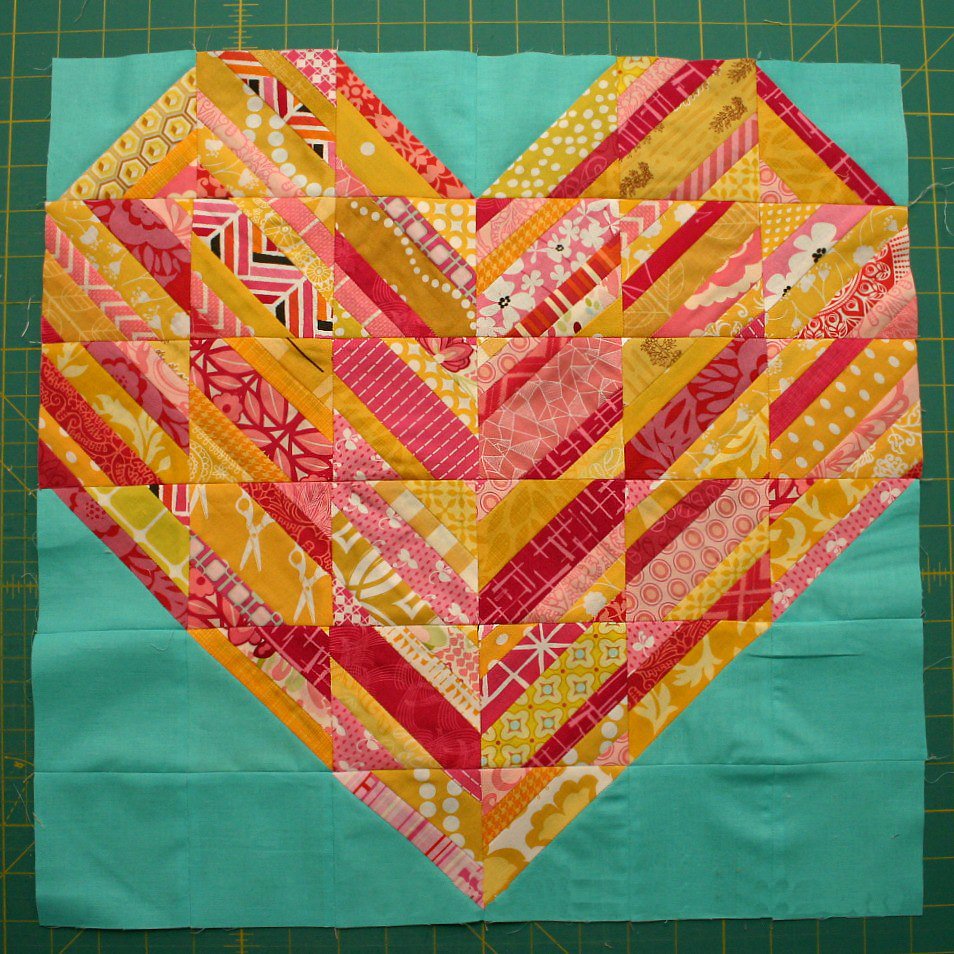
1. Preparing Your Foundation and Scraps for the String Quilt Block
The first step in executing a successful String Quilt Block – Pattern is selecting your foundation material. Because “strings” are often thin and cut on the bias, they can easily stretch or warp during the sewing process; a foundation provides the necessary stability to keep everything flat. Many quilters use lightweight muslin, old bedsheets, or even foundation paper for their String Quilt Block. The choice of foundation will stay inside the quilt, so it is important to pick something that won’t add too much unnecessary bulk or weight to the finished project.
Once your foundation is selected, you must cut it into the specific shape dictated by your Pattern. Most commonly, this is a square, such as a 10-inch or 12-inch block, but you can also use triangles or diamonds for more advanced designs. Preparing several foundation squares in advance allows you to work in an “assembly line” fashion, making the creation of each String Quilt Block much faster and more efficient. This preparation phase is crucial for maintaining the scale and proportion of the overall quilt.
Next, you need to sort your fabric strips to prepare for the String Quilt Block – Pattern. These “strings” are essentially any fabric scrap that is at least as long as the diagonal of your foundation block. While the widths can vary, most quilters find that strips between 1 inch and 2.5 inches wide work best for a String Quilt Block. Sorting them by color, value, or theme can help you plan the visual flow of your Pattern, ensuring that the final quilt doesn’t look overwhelming or cluttered.
Pressing is a vital part of preparing your materials for a String Quilt Block – Pattern. Before you even start sewing, make sure all your fabric strips are ironed flat and free of wrinkles. Even the smallest crease in a narrow strip can cause misalignment as you layer the pieces onto your String Quilt Block. Using a bit of spray starch can also give the fabric extra body, making the thin strips easier to handle and preventing the edges from fraying while you work through the steps of the Pattern.
A unique trick for a professional String Quilt Block – Pattern is the use of a “center string.” This is a strip of fabric—often a consistent color like white or black—that runs diagonally across every block in the quilt. By incorporating this into your String Quilt Block design, you create a secondary pattern when the blocks are joined together, such as a diamond or a chevron. This simple addition elevates a basic scrappy project into a sophisticated, high-contrast Pattern that catches the eye.
Finally, ensure you have a sharp rotary cutter and a reliable acrylic ruler ready. While the sewing of a String Quilt Block – Pattern is quite freeform, the trimming process must be exact. After you have covered your foundation with fabric, you will need to flip the block over and trim away the excess “strings” using the foundation edge as your guide. This ensures that every String Quilt Block is perfectly square and ready to be sewn to its neighbors with a consistent quarter-inch seam allowance.
2. Sewing Techniques and Construction of the String Quilt Block
The construction of a String Quilt Block – Pattern follows a “sew and flip” method that is both satisfying and addictive. You begin by placing your first strip (the center string) right-side up diagonally across the center of your foundation. You then place a second strip right-side down on top of the first, aligning the long edges. When you sew a quarter-inch seam and flip the second strip open, you have successfully started your String Quilt Block. This process is repeated until the entire foundation is covered in fabric.
Managing your stitch length is a technical detail often mentioned in a professional String Quilt Block – Pattern. It is generally recommended to use a slightly shorter stitch length than usual, especially if you are using paper as a foundation. A shorter stitch helps to perforate the paper, making it easier to tear away later, and it also provides extra security for the many small seams found in a String Quilt Block. Consistency here ensures that the structural integrity of the Pattern remains intact over years of use.
When building your String Quilt Block – Pattern, it is important to press as you go. After sewing each new strip and flipping it over, use a hot iron to press the seam flat. This prevents the “strings” from bunching up and ensures that the surface of the String Quilt Block remains smooth. Failing to press during construction can lead to a distorted block that is difficult to quilt later, so keeping the iron nearby is essential for following the Pattern correctly.
One of the best things about the String Quilt Block – Pattern is that you don’t have to worry about matching seams within the block itself. Since the strips are placed somewhat randomly, the focus is on the color and movement of the fabric rather than technical perfection. However, as you reach the corners of your String Quilt Block, make sure the strips completely cover the foundation. It is always better to have a strip that is slightly too long than one that leaves a gap at the edge of your Pattern.
The “flip and sew” method used in the String Quilt Block – Pattern is also an excellent opportunity to experiment with “string-piecing” accessories. Some quilters use a specialty “add-a-quarter” ruler to trim the seam allowances as they work, which reduces bulk. While not strictly necessary for a basic String Quilt Block, these tools can help those who want a very thin, lightweight finished product. The beauty of this Pattern is that it can be as simple or as technical as you choose to make it.
Once the foundation is fully covered, the final step of construction is the “squaring up” of your String Quilt Block – Pattern. Flip the block over so the foundation side is facing up. Use your rotary cutter to trim all the protruding fabric ends flush with the edges of the foundation. This creates a neat, clean String Quilt Block that is ready to be integrated into the larger quilt. Seeing a pile of these freshly trimmed squares is one of the most rewarding parts of working with this specific Pattern.
3. Design Variations and Layouts for the String Quilt Block – Pattern
The true magic of the String Quilt Block – Pattern happens during the layout phase. Depending on how you rotate your blocks, you can create dozens of different visual effects. For example, if you place the diagonal strings so they all point toward the center, you create a “X” or “O” motif. Following a specific layout Pattern allows you to control the chaos of the scraps, turning a collection of random String Quilt Block units into a cohesive design that looks intentionally planned.
Another popular variation is the “Spider Web” String Quilt Block – Pattern. In this version, the foundation is a triangle rather than a square. When several of these triangular String Quilt Block units are joined together, they form a circular web-like design. This variation requires a bit more planning and a specific triangular Pattern, but the visual payoff is incredible. It shows how the simple concept of sewing fabric strings can be adapted into complex, geometric art.
Color blocking is an effective way to customize your String Quilt Block – Pattern. Instead of using completely random scraps, you can choose a specific color family for each block—for instance, one block of blues, one of reds, and one of yellows. Arranging these in a gradient across the quilt top adds a modern twist to the traditional String Quilt Block. This approach allows you to follow a contemporary Pattern while still utilizing the vintage charm of string piecing.
You can also vary the “center string” to change the look of your String Quilt Block – Pattern. Using a very wide center strip creates a different aesthetic than a very narrow one. Some quilters even use a “fussy cut” piece of fabric—a specific image like a flower or a bird—as the center of their String Quilt Block. This turns the block into a frame for a favorite fabric print, adding a personalized element to the overall Pattern of the quilt.
The use of “negative space” is a growing trend in the String Quilt Block – Pattern community. By leaving some of the foundation blocks solid or using very few strings on a neutral background, you can create a “deconstructed” look. This modern take on the String Quilt Block is perfect for minimalist home decor. It proves that the Pattern is flexible enough to accommodate both the maximalist “more is more” philosophy and the sleek, simple lines of modern design.
Bordering your String Quilt Block – Pattern is the final touch. Adding a solid-colored border around each block, also known as “sashing,” can help to calm down a very busy scrappy design. Sashing provides a place for the eye to rest and helps to define each individual String Quilt Block. Whether you choose to sash your blocks or sew them edge-to-edge, the final Pattern will be a testament to your creativity and your ability to turn fabric “trash” into a textile treasure.
4. Care, Quilting, and Longevity of the String Quilt Block
When it comes to quilting your finished String Quilt Block – Pattern, you have several options. Because the blocks already have a lot of seams and a foundation layer, they are quite sturdy. Simple “stitch-in-the-ditch” quilting or a diagonal grid works beautifully and doesn’t distract from the intricate String Quilt Block design. If you want a more decorative look, a free-motion “stipple” or “meandering” stitch can add lovely texture to the overall Pattern without competing with the colorful strips.
Because a String Quilt Block – Pattern involves many seams, it is important to ensure they are all secure before quilting. If a seam on a thin strip opens up, it can be difficult to repair once the quilt is finished. Always double-check the edges of your String Quilt Block as you are joining them. Using a smaller needle (such as an 80/12) and high-quality polyester or cotton thread will ensure that the Pattern stays together through years of snuggling and trips to the washing machine.
Washing a quilt made from a String Quilt Block – Pattern requires a bit of care, especially if you used a mix of different fabric types. It is highly recommended to use “color catchers” in the laundry to prevent dyes from the darker strings from bleeding into the lighter ones. Since the String Quilt Block has a foundation layer, it might take a little longer to dry than a standard quilt. Air drying or using a low-heat setting on the dryer will preserve the fibers and the integrity of the Pattern.
Longevity is one of the hallmarks of the String Quilt Block – Pattern. Historically, these quilts were made to be used and abused, often serving as heavy blankets for warmth. The multiple layers of fabric and foundation make a String Quilt Block exceptionally durable. Even if one small strip eventually wears thin, the foundation underneath often keeps the quilt functional, adding to the “shabby chic” charm of an aged Pattern.
For those who want to pass their quilt down as an heirloom, consider adding a quilt label to the back. Mention that it is a String Quilt Block – Pattern and perhaps include the dates you worked on it. This adds historical value to the piece. Because the String Quilt Block is such a traditional technique, it connects your work to generations of quilters who used the same Pattern to provide for their families while expressing their artistic spirits.
Finally, remember that the String Quilt Block – Pattern is a living art form. There is no “right” or “wrong” way to arrange your strings as long as the foundation is covered and the block is square. Embrace the imperfections and the quirky color combinations that arise. The most beautiful String Quilt Block is often the one that looks the most spontaneous, proving that the most successful Pattern is often the one that allows for the most individual freedom.
Frequently Asked Questions (FAQ)
What is the best foundation for a String Quilt Block – Pattern?
The most popular foundations are lightweight muslin or specialized foundation paper. Muslin stays in the quilt and adds stability, while paper is torn away after sewing. For a truly eco-friendly String Quilt Block, you can even use old telephone book pages or newspaper, though these can be messy to remove.
Do I have to use a foundation for a String Quilt Block?
While you can technically sew strings together without a foundation, it is not recommended for this specific Pattern. Without a foundation, the many bias edges of the thin strips will cause the String Quilt Block to stretch and distort, making it nearly impossible to join the blocks together accurately.
How wide should the “strings” be in a String Quilt Block – Pattern?
The width is entirely up to you! Most quilters use strips ranging from 3/4 inch to 2.5 inches. Using a variety of widths within a single String Quilt Block creates a more “scrappy” and traditional look, while using uniform widths results in a more modern and orderly Pattern.
Can I use fabrics other than cotton for a String Quilt Block?
Yes, but be careful with the weights. While a String Quilt Block – Pattern is great for using up scraps, mixing heavy denim with thin silk can cause the block to pucker. It is usually best to stick to similar weights, like quilting cotton, flannels, or linens, to ensure the String Quilt Block remains flat.
How do I stop my String Quilt Block from looking messy?
The key to a polished String Quilt Block – Pattern is the “center string” and the trimming process. By using a consistent color for the center of every block and ensuring each block is trimmed to the exact same size, you create a sense of order that balances out the colorful, random scraps.
Is the String Quilt Block – Pattern suitable for beginners?
Absolutely! It is often cited as one of the best projects for new quilters because it doesn’t require precise cutting or perfect “point matching.” If you can sew a relatively straight line, you can successfully create a beautiful String Quilt Block.
Conclusion
The String Quilt Block – Pattern is a brilliant intersection of utility, sustainability, and artistic expression. Throughout this article, we have explored the essential steps of preparing foundations, the “sew and flip” construction technique, and the various ways you can arrange your finished blocks to create a stunning visual Pattern.
We also discussed the importance of pressing and trimming to ensure your String Quilt Block units are professional in appearance. By repurposing scraps into a structured String Quilt Block, you are participating in a rich quilting tradition that values both resourcefulness and beauty.