
The Bucket Hat – Tutorial you’ve been searching for is finally here, and it is designed to help you create the ultimate stylish, sun-protecting accessory. Whether you are a seasoned sewing enthusiast or a beginner looking for a fun weekend project, this comprehensive guide will walk you through every step of the process. Bucket hats have made a massive comeback in contemporary fashion, transitioning from vintage streetwear staples to must-have items for everyday wear.
Creating your own custom headwear allows you to express your unique personal style while ensuring a perfect fit. By choosing your own fabrics, you can make a lightweight, breathable summer bucket hat or a sturdy, structured piece that holds its shape beautifully. The beauty of this specific project lies in its simplicity and versatility, making it the perfect gateway into the rewarding world of DIY fashion and garment construction.
Throughout this step-by-step guide, we will explore the essential materials, precise cutting techniques, and assembly methods required to achieve a professional-looking finish. We will also look at how you can repurpose materials for a more sustainable approach to crafting. Grab your fabric, thread your sewing machine, and let’s dive into this ultimate Bucket Hat – Tutorial to elevate your handmade wardrobe.
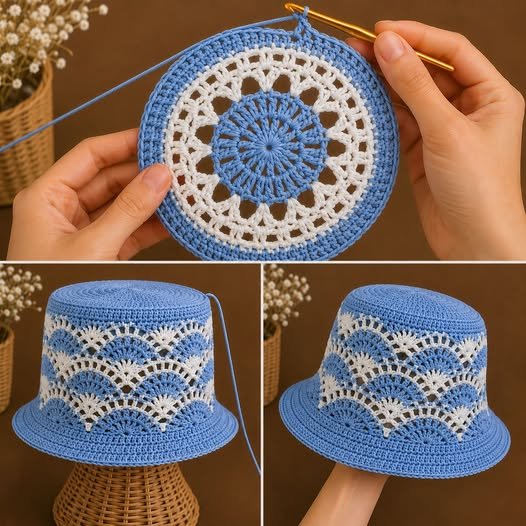
1. Choosing the Best Fabrics and Preparing Your Materials
Selecting the right textile is the foundation of a successful DIY bucket hat project, as the weight and texture heavily influence the final look. For a classic, durable look, heavy-weight woven fabrics like cotton canvas, denim, or twill fabric are absolute favorites among crafters. If you prefer a softer, more casual vibe, medium-weight linens or corduroy can add fantastic texture and character to your design.
For those who love eco-friendly fashion, this project is a magnificent opportunity for upcycling old jeans or jackets. Transforming worn-out denim into a trendy accessory breathe new life into old textiles while keeping your project highly sustainable. Upcycled denim bucket hats have an incredible vintage appeal and offer natural durability that stands the test of time.
In addition to your main fabric, you will need a matching piece for the lining to ensure the interior looks clean. Lightweight cotton broadcloth or poplin works beautifully for the lining, keeping the headwear comfortable and breathable. If you are using lighter outer fabrics, consider purchasing some fusible interfacing to give the brim extra stiffness and structure.
Before cutting into your materials, it is highly recommended to pre-wash and iron all of your chosen fabrics. Natural fibers like cotton and linen tend to shrink during their first wash, and prepping them now prevents future distortion. Ironing ensures that your free bucket hat pattern pieces can be pinned and traced with absolute precision.
To round out your supplies, gather a pair of high-quality fabric shears, sharp sewing pins, a fabric marker, and matching thread. A reliable sewing machine equipped with a universal or denim needle will make the construction process incredibly smooth. Once your workspace is organized and your materials are prepped, you are fully ready to move on to the next phase.
Having the right tools on hand prevents interruptions and keeps your creative momentum going from start to finish. Take a moment to check your machine’s tension on a scrap piece of fabric before diving into the main pieces. With everything neatly laid out, you can confidently transition to handling your template pieces.
2. Understanding the Pattern Pieces and Cutting Your Fabric
A standard bucket hat construction consists of three essential components: the top crown circle, the side wall panel, and the brim. The top crown forms the flat roof of the hat, while the side wall connects the crown to the brim. The brim is the flared section that shades your eyes and defines the classic silhouette of this iconic accessory.
To begin cutting, print or draw your headwear pattern template to match your specific head measurement accurately. You can determine your size by wrapping a flexible measuring tape around the widest part of your head, just above your eyebrows. Most adult patterns offer small, medium, and large variations to guarantee a snug yet comfortable fit.
Pin the top crown circle pattern piece onto a single layer of both your main fabric and your lining fabric. Carefully cut out one circle from the main exterior textile and one circle from the internal lining material. Avoid pulling or stretching the fabric while cutting to maintain a perfectly symmetrical circular shape.
Next, fold your fabric to cut the side wall and brim pieces, which are typically cut on the fold to create long, continuous panels. You will need to cut two side wall pieces from the main fabric and two from the lining. Similarly, cut two brim pieces from the main exterior fabric and two from the lining.
If you desire a structured, crisp brim that doesn’t flop into your eyes, cut two additional brim pieces from your fusible interfacing. Follow the manufacturer’s instructions to iron the interfacing onto the wrong side of your main exterior brim pieces. This simple addition adds a professional weight and crispness that elevates the entire look of the finished product.
Once all your pieces are cut, you should have a total of six fabric pieces plus your optional interfacing layers. Lay them out on your table to verify that everything matches up correctly before heating up your sewing machine. Organizing your pieces now saves time and prevents confusion as we begin the actual assembly.
3. Step-by-Step Assembly of the Outer Hat and Lining
The assembly process begins by creating the two separate components: the exterior shell and the internal lining structure. Take your two main fabric side wall pieces, place them right sides together, and align the short raw edges perfectly. Stitch down both short sides using a standard seam allowance to create a continuous fabric loop.
Repeat this exact process for the lining side wall pieces, leaving you with two identical fabric bands. Press the seams open with an iron to reduce bulk, which makes the subsequent steps much easier to manage. Now, it’s time to attach the flat top crown circle to the top edge of your side wall loop.
Pin the main fabric crown circle to the top opening of the exterior side wall loop, ensuring right sides are facing. Space your pins closely together, gently easing the straight edge of the wall around the curve of the circle. Sew slowly around the perimeter, removing the pins as you go to avoid breaking your needle.
Once the top crown is attached, repeat the process for the lining pieces so you have an identical inner hat shell. Take a moment to clip small notches into the curved seam allowances, being careful not to cut through the stitches. Clipping the curves allows the fabric to sit flat and smooth without bunching inside the crown.
Now, let’s assemble the brim by placing the two main fabric brim pieces right sides together and sewing the short ends. Do the exact same for the lining brim pieces, press the seams open, and you will have two large fabric rings. Pin the main brim ring to the bottom edge of your main exterior side wall assembly, matching the side seams.
Stitch around the entire circumference to join the brim to the main body of your exterior hat piece. Follow the same steps to attach the lining brim to the lining body, and press all your seams thoroughly. You now have two complete, independent versions of your hat: the outer layer and the inner lining.
4. Joining the Layers and Adding Professional Topstitching
To combine the two layers, turn your main exterior hat right side out and leave the lining piece wrong side out. Insert the main hat inside the lining hat so that their right sides are facing one another directly. Align the outer edge of the brims, matching up the side seams perfectly to keep the structure aligned.
Pin securely around the entire outer circular edge of the combined brims to hold the layers in place during sewing. Stitch around the outer brim edge, but remember to leave a 3-inch gap unsewn along one side. This open gap is absolutely essential, as it allows you to pull the entire hat through to the right side.
Carefully reach through the opening and pull the hat right side out, gently pushing out the edges of the brim. Tuck the lining layer neatly up into the main crown of the hat, pressing the outer brim seam flat with your iron. Fold the raw edges of the 3-inch opening inward so they align flawlessly with the rest of the brim edge.
Pin the opening shut and topstitch around the entire outermost edge of the brim, which securely closes the turning gap. To achieve that iconic, professional look, continue adding parallel rows of concentric topstitching all the way up the brim. Space each row about a quarter-inch apart, using the edge of your presser foot as a reliable guide.
This repeating stitching pattern not only looks fantastic but also adds great structural integrity and stiffness to the brim. Take your time during this step, maintaining a steady pace to ensure your rows of stitching remain beautifully parallel. The topstitching is often the most visible feature, so precision here really pays off.
Once the brim is fully stitched, give the entire piece one final, thorough press with a steam iron. Check for any loose threads, snip them cleanly away, and your beautiful custom accessory is officially ready to wear. You have successfully completed this detailed guide and created a stunning, fashionable piece of headwear.
Frequently Asked Questions
What is the best fabric for a beginner making a bucket hat?
The ideal choice for beginners is a stable, non-stretching woven fabric like 100% cotton canvas, twill, or medium-weight denim. These fabrics are exceptionally easy to cut, pin, and sew because they do not slip or stretch out of shape under the sewing machine foot.
Do I absolutely need to use fusible interfacing for the brim?
While it is not strictly mandatory, using fusible interfacing is highly recommended if you want a classic, crisp brim that holds its shape. Without interfacing, lighter fabrics like quilting cotton will result in a floppy brim that may sag into your eyes and lose its structure after washing.
Can I make a reversible bucket hat using this tutorial?
Yes, you absolutely can! To make it completely reversible, simply choose two different printed or colored main fabrics instead of a plain lining material. When closing the turning gap on the brim, topstitch carefully so the finish looks immaculate and professional on both sides.
How do I accurately measure my head size for the pattern?
Take a flexible measuring tape and wrap it horizontally around your head, positioning it about a half-inch above your ears and across the middle of your forehead. Keep the tape snug but comfortable to find your true measurement, and use that number to select or scale your template.
Is it possible to sew this entire project by hand without a machine?
Yes, you can sew it entirely by hand using a strong backstitch for the main construction seams to ensure durability. Hand sewing will take considerably more time, but it allows for incredible precision, especially when navigating the tight circular curves of the top crown.
How should I wash and care for my handmade bucket hat?
Care depends on your fabric choice, but cotton, canvas, and denim versions can generally be machine washed on a gentle cycle with cold water. To maintain the crisp shape of the brim, it is best to reshape the hat by hand while damp and let it air dry completely.
Conclusion
This Bucket Hat – Tutorial has guided you through the entire creative process of crafting your very own custom headwear, from selecting the perfect cotton canvas or upcycled denim to executing precise concentric topstitching.
We explored how to measure your head accurately, prepare your pattern templates, assemble the distinct sections seamlessly, and finish the piece with professional techniques. Making your own accessories is not only an incredibly sustainable approach to modern fashion, but it also rewards you with a durable, perfectly fitted item that reflects your personal style.