
Learning how to craft a Crochet Glove – Tutorial is one of the most rewarding projects a yarn enthusiast can undertake. There is something incredibly special about transforming a simple skein of yarn into a functional, stylish accessory that keeps your hands warm during chilly days. Whether you are looking to make a heartfelt handmade gift or want to upgrade your winter wardrobe, mastering this skill opens up endless creative possibilities.
In this comprehensive Crochet Glove – Tutorial, we will break down the essential terminology, stitch patterns, and structural techniques needed to create a flawless pair of gloves. Many beginners feel intimidated by the idea of shaping fingers or managing tension, but with the right guidance, the process becomes surprisingly straightforward. This guide is designed to walk you through every loop and turn, ensuring your finished project looks polished and professional.
To achieve the best results, it is crucial to understand the fundamental concepts that form the backbone of garment construction. By focusing on stitch anatomy, proper sizing, and finishing techniques, you will not only complete this project successfully but also build a strong foundation for future fiber art endeavors. Let’s dive deep into the core elements that will make your handmade creations look like they came straight from a high-end boutique.
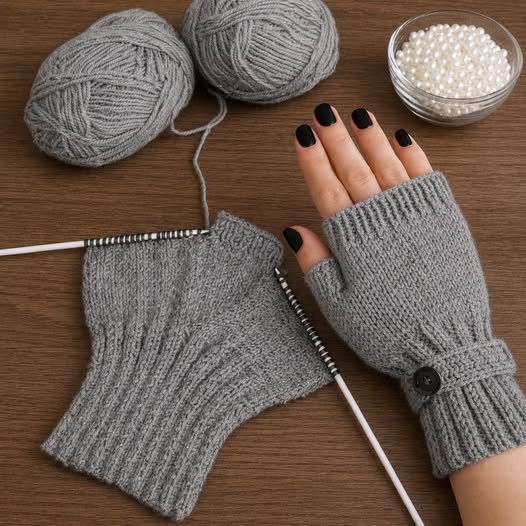
1. Understanding Crochet Terminology and Tools
Before slipping your hook into the yarn, you must familiarize yourself with the basic language of the craft. In any standard Crochet Glove – Tutorial, you will encounter abbreviations like chain stitch (ch), single crochet (sc), and double crochet (dc). Recognizing these terms instantly allows you to read patterns fluidly without constantly pausing to look up definitions.
Equally important is selecting the correct tools for your project, starting with the crochet hook size. For standard gloves, a smaller hook (such as 3.5mm to 4.5mm) is often preferred because it creates a denser, warmer fabric. If your hook is too large, the stitches will be loose, letting cold air slip right through the gaps.
The choice of yarn weight dramatically impacts the final fit, drape, and warmth of your accessories. For detailed handwear, worsted weight yarn or sport weight yarn is highly recommended as they offer a perfect balance between definition and insulation. Using yarn that is too thick will result in bulky, inflexible gloves that make it difficult to move your fingers.
To keep track of your progress, you will need auxiliary tools like stitch markers and a flexible measuring tape. Markers are vital when working in continuous rounds, as they prevent you from losing your place at the start of a new row. Measuring your progress ensures both the left and right pieces turn out identical.
Proper yarn tension is the secret ingredient to a well-fitted garment, especially around the wrist and fingers. If you pull the yarn too tightly, the fabric will be stiff and uncomfortable to wear. Conversely, if your tension is too loose, the glove will lose its shape quickly and slide off your hand.
Lastly, always check your gauge swatch before committing to the full project to avoid frustrating sizing errors. A gauge swatch is a small test square that measures how many stitches and rows fit into a specific area. Matching the recommended gauge ensures your finished item matches the intended dimensions perfectly.
2. Master the Foundation and Wrist Ribbing
The journey of our Crochet Glove – Tutorial begins at the cuff, which secures the garment firmly to your wrist. Creating a stretchy, snug ribbed cuff is essential because it prevents the glove from slipping and keeps cold wind from blowing up your sleeve. The most common way to achieve this elastic texture is by working into the back loop only (BLO).
To start, you will create a foundation chain that matches the desired length of your cuff, usually around two to three inches. Turn your work and crochet across, making sure to insert your hook only into the back loops of the previous row. This simple modification creates a beautiful, stretchy accordion effect that mimics traditional knitting.
Once your ribbed strip is long enough to wrap comfortably around your wrist, you will join the edges together. You can use a slip stitch (sl st) join or a tapestry needle to sew the short ends into a neat circle. Make sure the seam is secure but not too tight, as it needs to stretch over your hand.
With the cuff completed, you will now rotate your work to build the main body of the hand, often called the palm section. You will work in rounds directly into the long edge of the ribbed cuff you just created. This transition requires evenly spacing your stitches along the rough edge to maintain a clean appearance.
During this transition phase, it is common to introduce a half double crochet (hdc) or standard single crochet stitch. These stitches provide a smooth, solid texture that offers excellent coverage and flexibility for the back of the hand. Consistency in your stitch placement here sets the tone for the rest of the pattern.
As you finish this section, count your stitches carefully to ensure you have the exact number required for the palm. A miscount at this stage can throw off the alignment of the thumb and fingers later on. Take your time to verify that the base is perfectly symmetrical before moving forward.
3. Shaping the Thumb Gusset and Palm
The next phase of our Crochet Glove – Tutorial involves creating space for the widest part of your hand and the thumb. This anatomical shaping is achieved through a technique known as a thumb gusset, which gradually adds stitches. Without a proper gusset, the fabric will pull uncomfortably across your palm when you move your hand.
To create the gusset, you will implement systematic increases (inc) by placing two stitches into a single space. These increases are usually spaced out over several rounds, creating a distinct V-shaped wedge that expands outward. It is highly recommended to place stitch markers on either side of this growing section.
Keep trying the piece on your hand as you crochet to monitor the fit in real-time. The fabric should comfortably cover the base of your thumb without bunching up or feeling restrictive. Hand sizes vary wildly, so customized adjustments during this step will yield the best results.
Once the gusset reaches the base of your thumb joint, it is time to separate the thumb stitches from the main hand. You will do this by skipping a specific number of stitches and creating a small bridge chain across the gap. This action isolates the thumb opening while allowing you to continue working upward.
With the thumb stitches set aside, you will resume crocheting in rounds around the remaining stitches to build the upper palm. This section covers the area from the top of your thumb up to the knuckles where your other four fingers begin. Maintain a steady rhythm and uniform tension throughout these rounds.
Stop crocheting once the fabric reaches the lowest crease of your fingers when your hand is resting flat. This indicates that the palm body is complete and you are ready to tackle the individual finger extensions. Take a moment to admire the structured shape your project has taken so far.
4. Crafting the Fingers and Finishing Touches
The final structural milestone of this Crochet Glove – Tutorial is constructing the individual compartments for your fingers. This process requires dividing your total stitch count into four separate sections, starting with the index finger. You will use temporary threads or markers to isolate the stitches for each specific digit.
To minimize gaps between the fingers, you will pull up loops in the spaces between the sections as you join new yarn. Working in small, tight rounds can be slightly finicky at first, so patience is key during this step. Use slow, deliberate movements to keep your stitches neat and uniform.
Crochet each finger tube until it is just slightly shorter than your actual finger, as the yarn will stretch over time. To close the tip of a finger cleanly, you will perform decreases (dec), such as a single crochet two together (sc2tog). This tapers the top of the tube, mimicking the natural shape of your fingertips.
After completing the index, middle, ring, and pinky fingers, attach your yarn back at the thumb opening you created earlier. Work in rounds around this opening, migrating upward until the thumb is fully covered, then decrease and close the top. Congratulations, the primary structure of your glove is now fully realized!
With the crocheting finished, you will be left with several loose yarn ends dangling from the fingertips and cuff. Use a sturdy tapestry needle to meticulously weave in ends on the inside of the garment to secure them. Skipping this step or cutting the yarn too close to the knots can cause your hard work to unravel during washing.
To elevate your project to a professional standard, consider blocking your finished handwear. Wet blocking involves soaking the gloves in lukewarm water with a mild soap, gently squeezing out the excess moisture, and pinning them flat to dry. This process relaxes the fibers, evens out your tension, and gives the fabric a beautiful, polished finish.
FAQ – Frequently Asked Questions
How long does it take a beginner to complete a pair of crochet gloves?
For a beginner, completing a full pair of gloves typically takes between 6 to 10 hours of focused work. Because fingers require working in small rounds with precise stitch counts, the process takes longer than a flat project like a scarf. Taking breaks between fingers helps maintain consistent tension.
Can I use acrylic yarn for this crochet glove project?
Yes, high-quality acrylic yarn is a fantastic option because it is durable, affordable, and machine-washable. However, if you are looking for maximum warmth and breathability, natural fibers like wool or an alpaca blend are excellent alternatives for winter accessories.
What should I do if my gloves feel too tight around the fingers?
If the fingers feel too tight, you may need to increase your hook size by 0.5mm or add one or two extra stitches to that specific finger section. Everyone’s hands are unique, so adding a small bridge chain between the fingers can easily grant extra wiggle room.
Is it easier to start with fingerless gloves before making full gloves?
Absolutely. If you are a complete novice, practicing a fingerless glove pattern first is highly recommended. It allows you to master the wrist ribbing, palm expansion, and thumb placement without the meticulous work of shaping four individual finger tubes.
How do I wash and care for my handmade crochet gloves?
To preserve the shape and longevity of your handwear, it is best to hand wash them in cool water with a gentle detergent. Avoid wringing or twisting the fabric; instead, roll them in a towel to absorb excess water and lay them flat to dry.
Conclusion
In this Crochet Glove – Tutorial, we have explored the entire journey of creating custom handwear from scratch. We covered the essential tools and terms, mastered the elastic ribbing of the cuff, shaped the hand with a thumb gusset, and meticulously constructed each individual finger for a perfect fit.
By understanding these core techniques, you now possess the skills to create beautiful, functional garments that showcase your dedication to the craft.