
Making a Fabric Centipede – Tutorial is one of the most delightful, rewarding crafting projects you can dive into, whether you are looking to clear out your scrap fabric bin or create a whimsical, huggable toy for a child. This step-by-step guide is designed to walk you through the entire process from picking out your textiles to stitching the final details. By the end of this comprehensive guide, you will have a beautiful, handmade plushie and a treasure trove of sewing tips to apply to future projects.
Plush toys like our fabric centipede hold a special place in the world of handmade gifts because they are completely customizable. You can play with textures, colors, and sizes, making each segment of the insect completely unique. If you have been searching for a fun, engaging weekend project that combines basic sewing techniques with a splash of creative freedom, this Fabric Centipede – Tutorial is exactly what you need to read next.
Before we pull out the sewing machine and scissors, let’s talk about why this specific project is so great for crafters of all skill levels. It relies on repetitive, manageable shapes, which makes it perfect for beginners who want to build up their sewing confidence, yet it offers plenty of room for advanced makers to experiment with intricate embroidery or quilting layouts. Let’s gather our supplies, clear off the workspace, and explore the wonderful world of fabric toy making together.
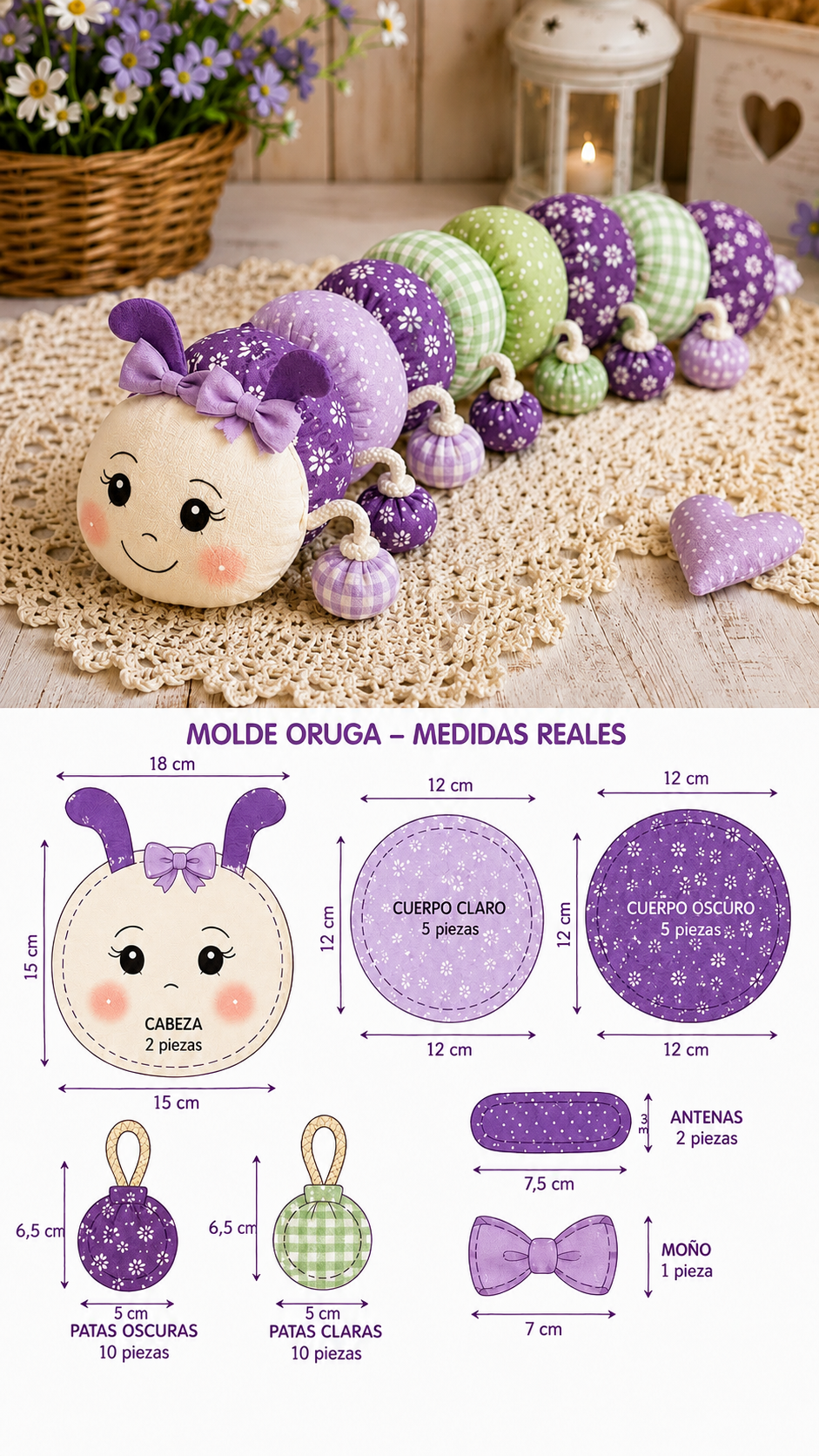
1. Choosing the Best Materials for Your Plush Centipede
Selecting the right textiles is the foundational step of our Fabric Centipede – Tutorial and will completely determine the look and feel of your final toy. For a soft, kid-friendly plushie, cotton calico, flannel, and fleece are fantastic choices that are easy to cut and sew. If you want a more eclectic or rustic look, you can absolutely upcycle old denim jeans, linen scraps, or even corduroy shirts.
The secret to a visually striking centipede is contrast, so try to pick a mix of solid colors and fun patterns like polka dots, stripes, or florals. Because a centipede has many body segments, you can use a different fabric pattern for each individual section to create a beautiful rainbow effect. Just make sure to wash and iron your fabrics before cutting to prevent any uneven shrinking later on.
Beyond the main body fabrics, you will also need a few essential notions to keep your project moving smoothly. A high-quality polyester fiberfill stuffing is crucial for giving your insect that perfectly plump, huggable shape without making it feel lumpy. You will also need strong all-purpose sewing thread that matches your color scheme, sharp fabric shears, and plenty of straight sewing pins.
Don’t forget about the tiny details that will bring your character to life, such as the eyes and the many little legs. For the eyes, safety eyes are a brilliant option if the toy is for older children, while embroidery floss or felt scraps are much safer for babies. For the legs, you can use thick yarn, sturdy ribbons, or even small tubes sewn from matching scrap fabric.
When organizing your workspace, make sure your sewing machine is fitted with a fresh needle appropriate for your chosen fabric weight. A universal size 80/12 needle works beautifully for standard quilting cottons, but you might need a heavier denim needle if you are upcycling old garments. Having a clear, flat surface for cutting out your templates will also save you a lot of frustration.
Taking the time to thoughtfully curate your materials ensures that your crafting experience is smooth and enjoyable from the very first stitch. Mixing textures not only makes the sewing process more interesting but also provides great sensory stimulation for young children playing with the toy. Once you have your colorful pile of fabrics washed, ironed, and ready to go, we can move on to templates.
2. Cutting the Patterns and Preparing Body Segments
The magic of this Fabric Centipede – Tutorial lies in its simple, repetitive geometry, which makes the cutting phase incredibly straightforward. To begin, you will want to create a circular template out of sturdy cardboard or templates paper to use as your guide. A standard circle with a diameter of about five to six inches makes a wonderfully sized body segment.
To build a reasonably long and impressive centipede, you should aim to cut out between ten and fifteen pairs of these fabric circles. Remember that each finished segment of the body is made by sewing two circles together, so you need two matching pieces per section. Use a fabric marker or tailor’s chalk to trace your cardboard template onto the back of your textiles.
As you cut out each circle with your fabric shears, try to keep your edges as clean and precise as possible. Consistent cutting leads to consistent seams, which ultimately helps your finished plushie look balanced and professionally made. Once all your circles are neatly cut, stack them in the exact order you want them to appear on the final toy.
Now it’s time to prepare the legs, which need to be sandwiched between the body pieces before you start sewing the main seams. If you are using ribbon or yarn, cut them into equal lengths of about three inches for each individual leg. You will need two legs for every single body segment, excluding the very front head and the back tail.
Take one fabric circle from a segment pair, place it right-side up, and pin the two legs so they point inward toward the center. The raw edges of the legs should line up perfectly with the raw outer curve of your fabric circle. This specific pinning technique ensures that when you flip the segment right-side out later, the legs will pop out correctly.
Once the legs are securely pinned in place, lay the second matching fabric circle directly on top, right-sides facing together. Pin the two layers securely around the perimeter, trapping the legs safely inside our little fabric sandwich. Repeat this preparation process for every single body segment, keeping your neat stack organized by your workstation.
3. Stitching and Stuffing Your Fabric Insect
With all your segments pinned and prepped, it is finally time to sit down at the sewing machine and bring this Fabric Centipede – Tutorial to life. Backstitch carefully at the beginning and end of each seam to ensure that your plushie can withstand years of enthusiastic play. Sew around the circular edge of each segment, leaving a small two-inch opening at the top for turning.
Take your time as you guide the curved edges under the presser foot, maintaining a consistent one-quarter inch seam allowance throughout. When you pass over the pinned legs, you might want to sew back and forth an extra time to give them maximum durability. Once a circle is stitched, clip small V-shapes into the seam allowance to help the curve lay flat.
Gently pull the fabric through the two-inch opening to turn each individual body segment right-side out, using a chopstick to smooth the curves. You will immediately see the little legs popping out of the sides, which is always an incredibly exciting moment in the project. Give each turned segment a quick press with your iron to make stuffing easier.
Grab small handfuls of your polyester fiberfill and begin teasing the fibers apart to prevent clumps before pushing them into the fabric circles. Stuff each segment firmly so it holds its round shape well, but leave just enough flexibility so the pieces can be joined together comfortably. The head segment should be stuffed especially well to support the face details.
Once a segment is filled to your liking, tuck the raw edges of the open gap inward by a quarter of an inch and pin it shut. You can close these openings using a neat ladder stitch by hand, or simply machine-stitch close to the edge if you don’t mind visible seams. Repeat this process until you have a beautiful collection of plump, bouncy fabric discs.
Now that you have a pile of completed, stuffed colorful pillows with legs, you can see your insect truly taking shape. Lay them out on your table one last time to confirm you are completely happy with the color progression and leg placement. Next, we will explore the best methods for assembling these individual pieces into one magnificent creature.
4. Assembling the Segments and Adding Face Details
The final assembly phase of our Fabric Centipede – Tutorial is where all your hard work comes together into a single cohesive toy. To join the stuffed segments, you will want to use a long doll-making needle and strong, doubled upholstery thread. Thread the needle and tie a secure knot at the end, ensuring it won’t pull through your fabric.
Align the first two segments together, face-to-face, ensuring that the legs are perfectly level with one another on both sides. Pass your needle back and forth through the center points where the circles touch, pulling the thread tight to lock them together. Repeat this joining stitch multiple times, wrapping the thread around the joint for extra security.
Continue adding segments one by one down the length of the body, checking occasionally to make sure the centipede stays straight. If you prefer a toy that is completely flexible and wiggly, you can thread the needle all the way through the centers of every single segment from tail to head. Experiment with these assembly styles to see which version you like best.
With the long body securely connected, you can shift your creative focus toward designing a charming, expressive face on the front segment. If you opted for felt eyes, cut out small circles and sew them onto the head using a neat blanket stitch. For an heirloom look, use black embroidery floss to hand-stitch a sweet, smiling mouth and tiny eyelashes.
To give your new friend even more personality, consider adding a couple of cute antennae to the top of the head segment. You can easily create these by sewing two tiny fabric tubes, or by using short pieces of thick, knotted decorative cording. Stitch them securely to the top of the head using the same hidden ladder stitch from earlier steps.
Once your face details are complete, look over the entire length of your creation to clip any stray threads and ensure all joints are rock-solid. Give the toy a gentle stretch and a squeeze to settle the interior stuffing evenly throughout the segments. Congratulations, you have successfully completed your project and created a beautiful piece of handmade art.
Frequently Asked Questions
What is the best type of fabric for a beginner tackling this project?
For beginners, 100% quilting cotton is absolute best choice because it does not stretch, slip, or fray excessively while you sew. It comes in thousands of vibrant prints, prints, and colors, giving you endless design options. As you build up your skills, you can comfortably move on to trickier textiles like plush minky, stretch fleece, or heavy upcycled denim.
Can I wash the fabric centipede after it has been fully assembled?
Yes, you can wash your centipede if you used washable fabrics and high-quality polyester stuffing during construction. To protect the hand-stitched details, place the toy inside a mesh laundry bag and wash it on a delicate cycle with cold water. Allow the plushie to air-dry completely in a well-ventilated spot rather than throwing it into a hot dryer.
How can I make this toy completely safe for an infant or toddler?
To make this plushie safe for babies, completely avoid using plastic safety eyes, buttons, or wire inserts that could pose choking hazards. Instead, create all the facial expressions using embroidery floss or securely sewn patches of soft felt fabric. Also, ensure that the legs are made of short, soft ribbons and are double-stitched into the seams.
My sewing machine is skipping stitches on the legs, how do I fix this?
Skipping stitches usually happens when the machine needle struggles to pierce through multiple thick layers of fabric and ribbon at once. Try switching to a brand new, sharper needle designed for heavy-duty sewing, like a size 90/14 needle. Slowing down your sewing speed and using a walking foot can also help your machine feed the thick layers evenly.
How many segments should I make to get a good-sized toy?
A great standard length for a toy centipede is around 10 to 12 body segments, which usually results in a plushie around two feet long. However, there are no strict rules, and you can make yours as short as 5 segments or as long as 30 segments. Longer versions make wonderful decorative bed bumpers or fun draft stoppers for drafty doorways.
Conclusion
This Fabric Centipede – Tutorial has guided you through the wonderful process of transforming simple fabric circles into a charming, custom plush toy. We covered how to select the best materials, cut out consistent patterns, sew the leg details, pack the segments with stuffing, and securely assemble the final insect.
This project is a fantastic celebration of color and texture that helps you practice essential sewing techniques while making something truly special.