
Denim chair cover – tutorial guides are the ultimate resource for anyone looking to breathe new life into old furniture while embracing sustainable design. Transforming a worn-out seat with durable, stylish denim is not just a rewarding DIY project; it is an eco-friendly statement that fits perfectly into modern, rustic, or bohemian home decor. In this comprehensive guide, we will explore how you can upcycle old jeans or leftover fabric into a stunning, custom-fit masterpiece for your dining room, office, or patio.
Choosing to work with denim offers unparalleled advantages for home textiles because the material is incredibly resilient, easy to wash, and ages beautifully over time. Instead of letting old denim garments gather dust in the back of your closet, you can repurpose them into functional art that protects your furniture from daily wear and tear. This project allows you to experiment with different shades of indigo, creating a unique patchwork aesthetic that reflects your personal style and creative flair.
Whether you are a seasoned sewist or a determined beginner, mastering a denim chair cover – tutorial will sharpen your skills and elevate your home styling game. By understanding the fundamentals of fabric selection, precise measuring, layout construction, and durable stitching, you will achieve professional-looking results without a professional price tag. Let us dive deep into the exact steps, tools, and insider secrets required to craft a gorgeous, long-lasting denim cover for your favorite chair.
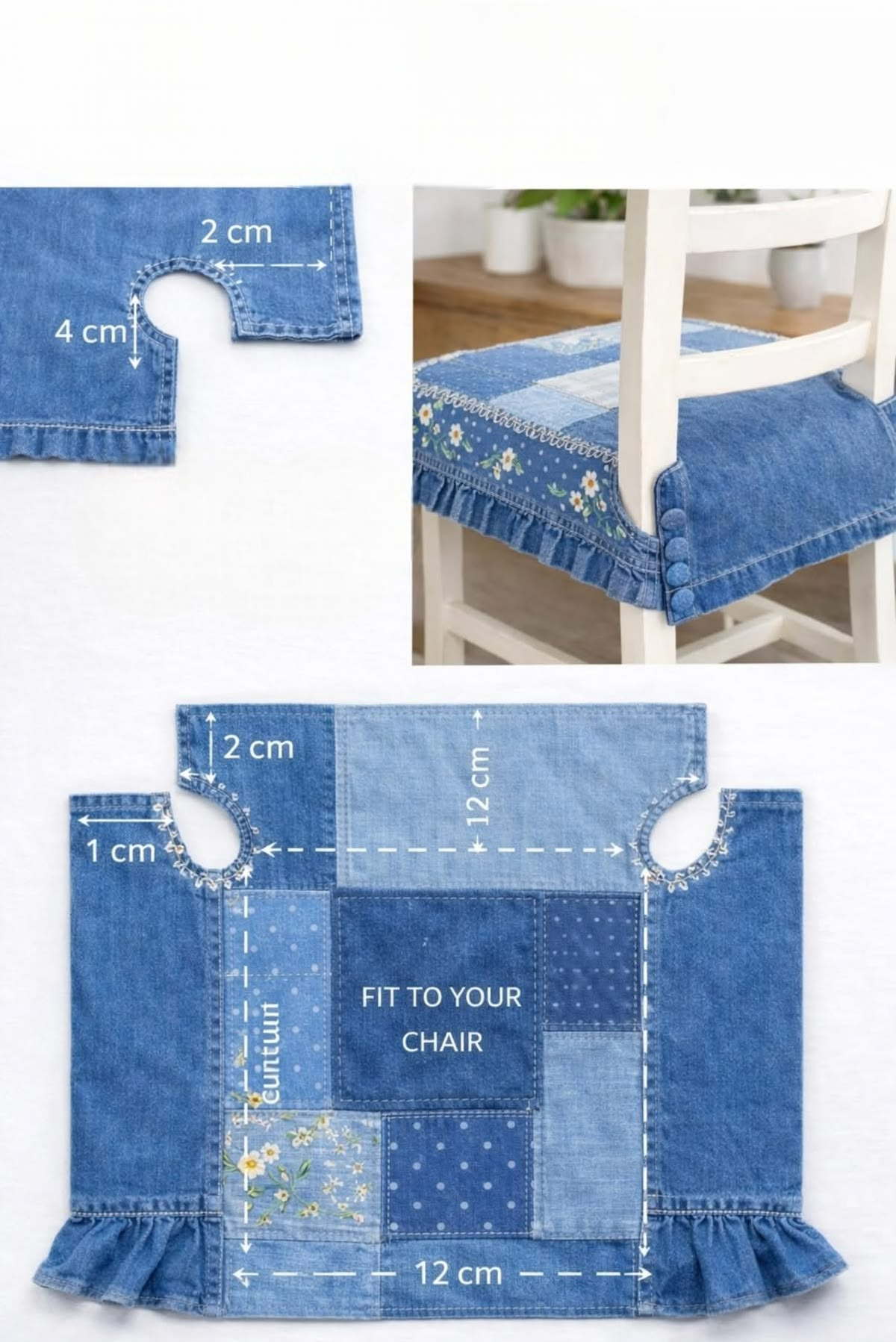
1. Gathering Your Materials and Preparing the Denim
Before stitching a single seam, you must gather the essential tools to ensure your upcycling project runs smoothly from start to finish. Heavy-duty denim requires specific equipment, starting with a sewing machine fitted with a robust jeans needle (size 90/14 or 100/16) and strong polyester or topstitching thread. You will also need sharp fabric shears, plenty of sturdy sewing pins, a flexible measuring tape, tailor’s chalk, and an iron for pressing bulky seams flat.
The magic of a great denim chair cover – tutorial lies in the sourcing and preparation of your raw materials, which typically come from old jeans, jackets, or skirts. To ensure a cohesive look, collect several pairs of discarded denim pants, ensuring you have enough fabric yardage to cover the entire surface area of your target chair. Upcycling pre-loved garments not only saves money but also contributes significantly to reducing textile waste in our environment.
Once you have gathered your denim pieces, it is absolutely crucial to wash and dry them thoroughly before cutting into the fabric. Denim is notorious for shrinking during its first few washes, and laundering beforehand prevents your finished cover from warping or becoming too tight later on. Additionally, washing removes any leftover stiffening agents, making the rugged material much softer and significantly easier to manipulate under your sewing machine.
After the fabric is clean and completely dry, use a sharp seam ripper to carefully deconstruct the jeans, cutting away thick waistbands, bulky pockets, and heavy hems. Flatten out the remaining fabric panels using a hot steam iron, focusing on removing any stubborn creases along the original leg seams. This preparation phase gives you clean, flat sheets of usable denim, maximizing the efficiency of your layout and cutting process.
If you enjoy a dynamic aesthetic, try sorting your prepared fabric panels by color, ranging from deep midnight blue to faded light wash tones. Combining different shades allows you to design a visually captivating patchwork pattern that makes your furniture piece stand out as a true focal point. Planning your color layout early in the process ensures a balanced distribution of tones across the entire surface of the seat.
Finally, set up a clean, spacious workstation with a large cutting mat or a clear table where you can lay out your pieces comfortably. Having your tools organized and your denim flatly pressed sets a strong foundation for the detailed work ahead, saving you valuable time and frustration. With your workspace optimized and your materials ready, you are fully prepared to move on to the critical measuring phase.
2. Taking Accurate Measurements and Creating a Template
The secret to a flawless, professional-looking fit is precision, which is why skipping the measurement phase of a denim chair cover – tutorial is never an option. Grab your flexible measuring tape and record the exact height, width, and depth of the chair back, as well as the length and width of the seat cushion. Remember to measure the thickness or drop of the seat, ensuring your denim wrapper extends all the way down to cover the base frame.
Always write down your measurements clearly on a piece of paper, adding a standard seam allowance of 0.5 inches to 1 inch to every single edge. Denim is a thick, unforgiving fabric, and giving yourself a slightly generous seam allowance prevents the final product from turning out restricted or completely unwearable. It is always much easier to trim away excess fabric during a fitting than it is to add material to a cover that is too small.
To make the cutting process foolproof, create a paper template or pattern using large butcher paper, old newspapers, or inexpensive wrapping paper. Lay the paper directly onto the chair sections, smoothing it out with your hands, and trace the outline of the seat and backrest using a marker. Cut out these paper shapes, which will serve as your exact templates when transferring the dimensions onto your prepared denim fabric.
If your chair has complex curves, unusual angles, or arms, a paper template becomes even more essential for mapping out tricky transitions. Hold the paper against the contours of the furniture, folding and pinning the darts where the fabric needs to conform to a specific bend or shape. Mark these dart lines clearly on your paper pattern so you can replicate them accurately when cutting into your upcycled denim panels.
Once your paper templates are perfectly refined, place them strategically over your prepared denim pieces on your cutting table. If you are using a patchwork method, arrange your smaller denim scraps over the template like a puzzle, ensuring they overlap slightly to account for internal seams. Pin the paper templates securely to the fabric to prevent any sliding or shifting while you cut the material.
Carefully cut along the perimeter of your templates using sharp fabric shears, keeping your cuts steady and clean to avoid fraying the edges prematurely. Label each cut denim piece using tailor’s chalk on the wrong side of the fabric, identifying sections like “Seat Top,” “Front Apron,” or “Backrest Panel.” Organization at this stage guarantees a seamless assembly process when you finally transition to the sewing machine.
3. Stitching the Denim Patchwork and Assembling the Panels
If you are working with smaller scraps of fabric, the first step of assembly involves joining those individual pieces together into larger, usable sheets. Arrange your denim blocks in your desired pattern, pinning the right sides together, and stitch them using a straight seam with a heavy-duty needle. Press every single seam open with a hot iron to minimize bulk, which allows your sewing machine to glide easily over overlapping intersections.
For an authentic, high-quality look, consider adding classic contrast topstitching along your patchwork seams using a vibrant gold, orange, or yellow heavy thread. Topstitching not only mimics the iconic aesthetic of traditional manufacturing but also flattens the internal seam allowances, making the finished cover much more comfortable to sit on. Take your time during this step, ensuring your topstitch lines run perfectly parallel to the original structural seams.
Once your individual fabric sheets match the size of your paper templates, it is time to begin pinning the main structural components of the cover together. Place the front backrest piece and the rear backrest piece right sides together, pinning securely along the top and side perimeters while leaving the bottom edge wide open. Always double-check that your pins are pointing in a direction that is easy to remove as you feed the heavy fabric through the machine.
Sew the pinned backrest pieces together using a sturdy straight stitch, reinforcing the beginning and end of your line with a standard backstitch. When navigating tight corners or sharp turns, leave the needle down in the fabric, lift the presser foot, pivot the denim, and lower the foot to continue sewing. This precise pivoting technique prevents puckering and ensures crisp, clean corners that define the silhouette of your furniture.
Next, join the completed backrest section to the main seat panel, carefully aligning the center points of both fabric pieces to maintain perfect symmetry. This intersection can become quite thick, so turn the handwheel of your sewing machine manually if you feel the motor struggling against multiple layers of heavy denim. Slow, deliberate stitching prevents needle breakage and guarantees a secure, locked seam that can withstand the pressure of everyday sitting.
Finally, attach the skirt or apron panels around the perimeter of the seat cushion to complete the basic three-dimensional structure of your cover. Try the partially completed wrapper onto your chair inside out, checking for any loose areas or tight spots that require quick adjustments. Pinning the fabric directly on the furniture allows you to make custom tweaks, tailoring the fit perfectly to the unique shape of your frame.
4. Finishing the Hems, Adding Closures, and Final Fitting
The final phase of a successful denim chair cover – tutorial focuses on finishing the bottom edges and creating a reliable closing system for easy removal. Examine the bottom opening of your cover and fold the raw edge up by half an inch, then fold it another half inch to completely encase the raw threads. Pin this clean double-fold hem all the way around the bottom, and press it firmly with your steam iron before sewing.
Stitch the hem carefully, using a slightly longer stitch length than normal to accommodate the extreme thickness of the folded denim layers. A clean, durable hem prevents the fabric from unraveling during future wash cycles, ensuring your hard work lasts for many years to come. If you prefer a rugged, casual look, you can choose to leave a raw, frayed edge, but secure it with a stay-stitch line one inch from the bottom.
Because chairs often taper or feature wide bases, adding a functional closure system makes putting on and removing your new denim protector completely effortless. You can install a heavy-duty metal zipper along the back seam, attach thick strips of hook-and-loop tape, or sew on stylish metal snap buttons. Another beautiful, rustic option is to sew denim fabric ties that wrap elegantly around the wooden legs of your chair.
If you choose the fabric tie method, cut thin strips of denim, fold the raw edges inward, and topstitch them into durable ribbons. Securely attach these ties to the inner corners of the cover skirt, aligning them perfectly with the location of the furniture legs. Tying these ribbons into neat bows keeps the thick material from shifting or sliding off when people sit down and move around.
Once your closures and hems are fully complete, turn your finished creation right side out and give it one final, thorough press with your steam iron. Pay close attention to flattening out the heavy corners, side seams, and topstitched details to give the denim a polished, professional appearance. Pressing relaxes the cotton fibers and molds the heavy stitches permanently into place, elevating the overall quality of your project.
Slide the finished denim masterpiece onto your chair, smoothing down the seat and fastening your chosen closures securely around the base. Take a step back to admire your incredible craftsmanship, noticing how the rich textures and blue tones instantly revitalize the entire room. Your custom creation is now fully ready to protect your furniture, handle daily family use, and spark delightful conversations with your guests.
Frequently Asked Questions
Can I make a denim chair cover if I only have a basic sewing machine?
Yes, you can absolutely create this project using a standard, basic domestic sewing machine. The most important factor is using the correct needle, specifically a heavy-duty denim or jeans needle (size 90/14 or 100/16), which is sharp enough to pierce thick layers without bending. You should also sew at a slow, steady pace, using the manual handwheel to guide the needle through exceptionally thick intersections to protect your machine’s motor.
How many pairs of old jeans do I need to complete one standard chair cover?
For a standard dining room chair, you will typically need between two to four pairs of adult-sized jeans, depending on the size of the chair and the cutting layout. If your design features a lot of patchwork, you can use smaller scraps, which allows you to maximize every single inch of fabric from old garments. It is always wise to have an extra pair of jeans on hand to ensure you don’t run out of material midway through assembly.
Is it necessary to line a denim chair cover with a lighter fabric?
Lining is not strictly mandatory, as denim is already a very dense, sturdy material that provides excellent coverage and structural durability on its own. However, if your chair has delicate original upholstery like silk or pale velvet, lining the inside with a cheap, light-colored cotton fabric can prevent any indigo dye transfer. A lining also hides raw interior patchwork seams, giving the inside a clean finish.
How do I wash and care for my finished denim furniture cover?
One of the greatest benefits of this project is easy maintenance; you can simply unfasten the closures and toss the cover into your washing machine. Wash it on a gentle cycle with cold water to preserve the indigo shades and prevent unnecessary shrinking over time. Air drying by hanging it up is highly recommended, followed by a quick press with a warm iron to remove any laundry wrinkles.
What are the best ways to handle very thick denim seams?
To manage bulky areas where multiple layers intersect, use a hammer to gently tap the compressed fabric seams flat before running them under your presser foot. You can also use a handy sewing tool called a “hump jumper” or clearance plate, which levels your presser foot when riding over thick bumps. Lowering your thread tension slightly and increasing your stitch length also helps create beautiful stitches on thick material.
Conclusion
This comprehensive denim chair cover – tutorial demonstrates how easily you can merge sustainability with functional home style through simple sewing techniques.
By gathering old garments, taking precise measurements, stitching sturdy patchwork panels, and completing professional closures, you can completely transform any tired seat into a stunning design feature. This rewarding DIY project not only saves money and rescues quality textiles from landfills but also adds an undeniable touch of cozy, personalized charm to your living space.