
Learning how to make a fan pouch with this step-by-step tutorial is one of the most rewarding and practical crafting projects you can undertake today. Whether you are a seasoned sewist or a curious beginner looking for a functional weekend project, creating a custom protective sleeve for your favorite hand fan blends utility with personal style. Folding fans are delicate, elegant, and highly susceptible to damage when tossed carelessly into a crowded handbag or backpack, making a dedicated carrying case an absolute necessity.
By mastering the art of the fan pouch tutorial, you not only safeguard your accessories from dust, scratches, and bent ribs, but you also open the door to endless creative possibilities. You can select fabrics that reflect your personality, experiment with unique closures, and even create beautiful, handmade gifts for friends and family. This comprehensive guide will walk you through the entire process, ensuring you achieve a professional-looking finish even if you have minimal sewing experience.
In this detailed guide on how to make a fan pouch, we will explore the essential materials, precise cutting dimensions, step-by-step construction techniques, and creative ways to customize your final product. Our goal is to provide a highly structured, easy-to-follow layout that guarantees success while keeping your crafting journey fun and engaging. Grab your fabric scissors, thread your sewing machine, and let’s dive into the ultimate tutorial for crafting your very own bespoke fan pouch.
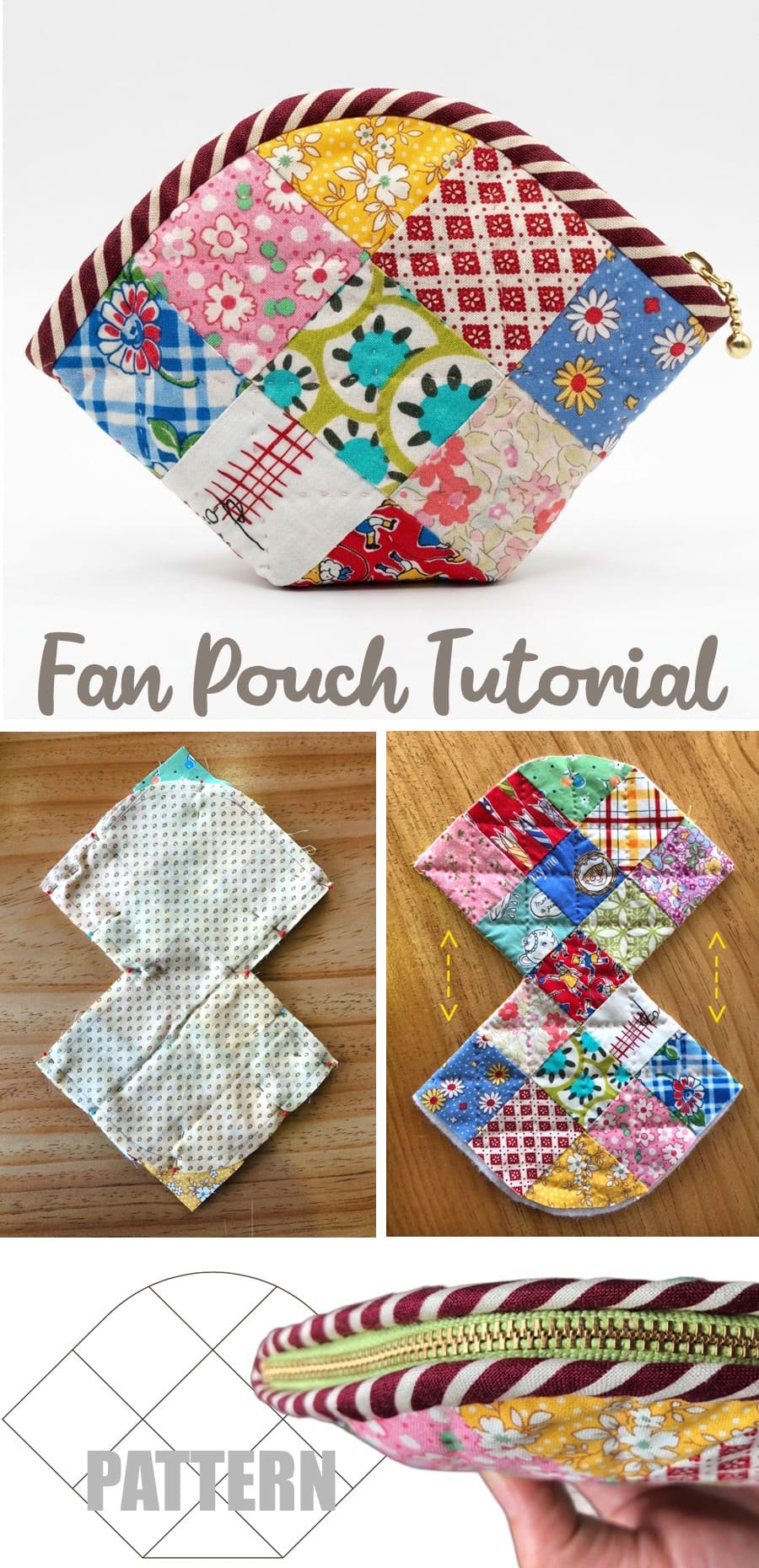
1. Gathering Your Essential Materials and Tools
Before diving into the actual construction of your new accessory, you need to collect the right supplies to ensure your fan pouch turns out durable and beautiful. The primary component is, of course, the fabric, and choosing a sturdy yet flexible material like medium-weight cotton, linen, or canvas will yield the best results for this tutorial.
For a polished look, we highly recommend selecting two contrasting or complementary fabrics: one for the exterior and one for the lining. This dual-fabric approach hidden inside the fan pouch tutorial adds an unexpected pop of color when you open the case and ensures all raw edges are neatly concealed.
In addition to your main fabrics, you will need a lightweight fusible interfacing to give the pouch structure and stability. Interfacing acts as a hidden support system, preventing the fabric from collapsing and providing extra cushioning to shield your delicate hand fan from external impacts.
Do not forget the essential sewing notions required to complete this how to make a fan pouch project successfully. You will need high-quality sewing thread that matches your fabric, sharp fabric shears, sewing pins or quilting clips, a fabric marker, and a reliable iron for pressing your seams.
The final consideration for your materials list is the closure mechanism, which secures the fan inside its new home. For this specific tutorial, we will focus on a classic, beginner-friendly ribbon tie or drawstring, though you could easily adapt the design later to use snap buttons or hook-and-loop tape.
Having all these items organized on your workspace before you begin sewing will streamline the process and prevent unnecessary interruptions. Taking the time to prep your materials ensures a smooth crafting experience, allowing you to focus on mastering the techniques outlined in this comprehensive fan pouch guide.
2. Measuring and Cutting Your Fabric with Precision
Accurate measurements are the secret ingredient to a perfectly fitted case, which is why this stage of the how to make a fan pouch process is so crucial. To begin, measure the length and total width of your folded hand fan when it is completely closed, noting down the dimensions on a scrap piece of paper.
As a general rule for this tutorial, you will want to add at least 1.5 inches to the length and 1 inch to the width to account for seam allowances and ease. This extra space ensures that your fan can glide smoothly in and out of the completed fan pouch without being too tight or overly loose.
For a standard 10-inch hand fan, a safe and widely used cutting dimension is 12 inches in length by 3.5 inches in width. Using your fabric marker and a clear quilting ruler, carefully trace these rectangular dimensions onto the backside of your chosen exterior fabric, lining fabric, and fusible interfacing.
Carefully cut out two pieces from your exterior fabric, two pieces from your lining fabric, and two pieces from the interfacing using sharp fabric shears. Cutting slowly and keeping your lines straight at this stage will prevent alignment issues later on when you begin assembling your fan pouch.
Once your fabric pieces are cut, it is time to apply the fusible interfacing to the wrong side of your exterior fabric rectangles. Position the shiny, adhesive side of the interfacing against the fabric, then press firmly with a hot iron according to the manufacturer’s instructions until they are fused.
Properly fused interfacing ensures that your how to make a fan pouch tutorial results in a crisp, professional, and long-lasting accessory. With all your individual fabric panels perfectly measured, cut, and stabilized, you are officially ready to transition to the actual assembly and sewing phases.
3. Step-by-Step Sewing and Assembly Instructions
Now that your fabric is prepared, we can begin the exciting process of stitching the components together to form your functional fan pouch. Place one exterior fabric piece and one lining fabric piece right sides together, aligning the short top edge, and pin them securely in place.
Using a standard 1/4-inch seam allowance, sew across this short top edge, repeating the exact same process for the remaining exterior and lining pieces. Once stitched, open the pieces up and press the seam open with your iron, which creates a clean, flat transition line between the two fabrics.
Lay both of your newly connected fabric strips directly on top of each other, ensuring that the exterior fabrics are facing each other and the lining fabrics are facing each other. Match up the center seams perfectly, pinning all the way around the perimeter of the elongated rectangle to prevent shifting.
You will now sew around the entire perimeter of the combined pieces, but you must leave a 2-inch opening along one side of the lining fabric. This unstitched gap is absolutely vital for this how to make a fan pouch tutorial, as it allows you to turn the project right side out later.
Carefully clip the four corners of your stitched rectangle, being mindful not to cut into your threads, to reduce bulk inside the case. Reach through the 2-inch opening in the lining, gently pull the exterior fabric through the gap, and use a chopstick to carefully push out the corners.
Press the entire elongated pouch flat with your iron, tuck the raw edges of the opening inside the lining, and edge-stitch the gap closed. Finally, push the lining fabric down inside the exterior fabric sleeve, giving it one last press to complete the main structure of your beautiful fan pouch.
4. Customizing Your Pouch and Attaching the Closure
With the main body of your pouch completed, you can now focus on adding the closure mechanism that keeps your fan secure. For a classic, elegant look in this how to make a fan pouch project, a matching satin ribbon or durable cotton twine works beautifully.
To attach a wrap-around ribbon closure, cut a piece of ribbon measuring roughly 18 inches in length to ensure you have plenty of room for a bow. Center the ribbon against the back seam of your pouch, about two inches down from the top opening, and secure it with a tight, deliberate bartack stitch.
Alternatively, if you prefer a clean look without visible external ribbons, you can install a metal snap button or a piece of sew-on hook-and-loop tape. Position the closure elements on the inside rim of the opening, ensuring they align perfectly before hand-sewing or pressing them into place.
For those looking to elevate this tutorial even further, consider incorporating decorative embellishments like delicate lace trim, custom embroidery, or colorful tassels. Attaching a small loop or a handmade tassel to the bottom corner of your fan pouch introduces a touch of traditional artisan charm.
Don’t be afraid to experiment with different textures and colors to make your project truly unique and reflective of your personal aesthetic. The beauty of learning how to make a fan pouch lies in your ability to customize every single detail to match your wardrobe or specific hand fans.
Once your closure is securely attached and your optional embellishments are in place, give the entire project one final, thorough press with your iron. Slide your favorite folding hand fan inside to celebrate the successful completion of your gorgeous, highly functional, and custom-made fabric sleeve.
Frequently Asked Questions
What is the best type of fabric to use for a fan pouch?
The best choice for this project is medium-weight woven cotton, linen, lightweight canvas, or cotton-linen blends. These fabrics offer excellent durability, are easy to cut and sew, and hold their shape well when combined with a quality fusible interfacing. Avoid overly stretchy knits or extremely slippery synthetics if you are a beginner, as they can be frustrating to align and sew accurately.
Can I make this project if I do not own a sewing machine?
Yes, you absolutely can complete this entire project using traditional hand-sewing techniques. Because the panels are relatively small and the seams are mostly straight lines, hand-stitching with a strong backstitch will yield a durable and beautiful result. It will simply take a bit more patience and time compared to using a standard domestic sewing machine.
How do I wash and maintain my handmade fabric fan pouch?
If you used washable materials like cotton or linen, you can gently hand wash your pouch in cool water with a mild detergent. Avoid wringing the fabric aggressively, as this can distort the internal interfacing. Lay the pouch flat on a clean towel to air dry completely, and then give it a quick press with a warm iron to restore its crisp, original shape.
How do I adjust the measurements for a larger or smaller hand fan?
To customize the size, always start by measuring your specific closed fan’s exact length and widest circumference point. Add 1.5 inches to your length measurement and add 1 inch to your width measurement to establish your custom fabric cutting size. This simple formula ensures your completed pouch will fit any unique fan size perfectly without being too loose or restrictive.
Conclusion
Mastering how to make a fan pouch is an enjoyable, highly rewarding sewing project that perfectly balances functionality with creative self-expression.
Throughout this tutorial, you have learned how to select the right materials, cut precise fabric panels, assemble a fully lined sleeve, and install a secure closure mechanism to protect your favorite accessories. This project serves as an excellent way to practice fundamental sewing skills while creating something genuinely useful for your daily life.