
Fabric pet clothing – tutorial guide is exactly what you need to dive into the wonderful world of DIY fashion for your furry companions. Making custom outfits for your four-legged best friends is not only an incredibly rewarding hobby, but it also allows you to control the quality, comfort, and style of what they wear. Whether you are aiming to keep a small dog warm during chilly winter nights or simply want your cat to look absolutely dashing for a social media photo shoot, learning how to design and sew your own items is a fantastic skill to develop.
When you start working on a fabric pet clothing – tutorial, you quickly realize that commercial pet outfits often miss the mark when it comes to unique sizing and fabric breathability. Mass-produced clothes can sometimes irritate your pet’s sensitive skin or restrict their natural movement, which is the last thing any loving pet owner wants. By choosing to craft these garments at home, you have the ultimate freedom to select soft cotton fabrics, flexible knits, and body-safe closures that ensure your companion stays both comfortable and incredibly stylish.
In this comprehensive guide, we are going to break down every single step required to create beautiful, functional, and durable outfits for your pets. From selecting the perfect materials and taking precise anatomical measurements to cutting out patterns and sewing everything together, this walkthrough is designed for creators of all skill levels. Grab your measuring tape, dust off your sewing machine, and let’s explore how to create custom wardrobe pieces that will make your pet the most fashionable animal on the block.
1. Choosing the Right Materials and Tools for Your Pet Project
Selecting the correct textile is the most critical step when planning a fabric pet clothing – tutorial project because comfort should always be your absolute highest priority. Natural, breathable fibers like premium quilting cotton, soft flannel, and stretchy jersey knits are ideal choices because they allow air to circulate freely. Avoid materials that scratch, stiffen, or trap heat excessively, such as heavy synthetics or low-quality glitter fabrics that might cause allergic reactions.
You also need to think about the weight of the material in relation to the specific season you are designing for. Lightweight cottons are fantastic for protective summer shirts that shield light-skinned pets from UV rays, while cozy polar fleece or upcycled denim can be used for durable winter coats. If you love sustainable crafting, repurposing old clothing is an amazing, eco-friendly way to source high-quality textiles without spending a fortune.
Beyond the main fabric, you must gather the essential haberdashery tools to make your workflow smooth, precise, and completely hassle-free. A reliable pair of fabric shears, a sharp rotary cutter, a self-healing cutting mat, and high-quality polyester threads are foundational requirements for clean lines. Keep a pack of universal and stretch sewing machine needles nearby, as switching your needle type based on your material prevents skipped stitches.
Safety features are just as vital as the primary materials, so you must carefully consider how the garment will open, close, and secure around the animal. Soft hook-and-loop fasteners, lightweight plastic snaps, and flexible elastic bands are the preferred choices for modern, safe pet apparel designs. Avoid using heavy metal zippers, dangling beads, loose ribbons, or small buttons that a curious dog or cat could easily chew off and accidentally swallow.
Before you cut into your brand-new or upcycled textiles, it is absolutely essential to pre-wash and pre-shrink every single piece of material you plan to use. Because pet clothes require frequent washing to remove dirt, dander, and outdoor grime, unwashed fabrics will drastically shrink during their first laundry cycle. Laundering the textiles beforehand ensures that the finished outfit maintains its custom tailored shape and fit for a very long time.
Lastly, create a comfortable and organized workspace where you can easily lay out your materials, iron out wrinkles, and handle your tools safely. Having a dedicated cutting table and an iron nearby to press your seams will instantly elevate the professionalism of your finished work. Taking the time to properly prepare your tools and textiles lays a solid foundation for a beautiful, long-lasting garment.
2. Taking Accurate Measurements for a Perfect Fit
To achieve a flawless result with this fabric pet clothing – tutorial, you must completely abandon standard human clothing sizes and measure your unique pet directly. Every animal has a distinct build, meaning a medium size for one specific breed might easily be a small or large for another. You will need a soft, flexible tailor’s measuring tape and a few tasty treats to keep your furry model calm, cooperative, and standing still.
The first and most crucial measurement you need to capture is the neck girth, which is the circumference around the widest part of the neck. Wrap the flexible tape measure gently around the base of the neck where a standard collar typically sits comfortably. Always apply the classic two-finger rule, ensuring you can easily slide two fingers under the tape so the garment neck won’t be too tight.
Next, you must measure the chest girth, which is almost always the absolute widest section of your pet’s entire upper body torso. Locate the area immediately behind the front legs and wrap your measuring tape completely around the chest, keeping it snug but never constricting. This specific measurement dictates how much breathing room and mobility your dog or cat will have when walking, running, or playing.
The third fundamental measurement is the back length, which determines how much coverage the garment will provide along the spine. Measure from the prominent base of the neck, right where the shoulder blades meet, all the way down to the base of the tail. For male dogs, you will want to shorten the underbelly length significantly to ensure they can relieve themselves cleanly without messing up the fabric.
Once you have recorded these three primary numbers, write them down carefully in a notebook and add a small amount of ease allowance for movement. Adding roughly one to two inches to the chest and neck measurements guarantees the finished garment will not restrict their natural athletic movements. If your pet happens to fall perfectly between two distinct sizes, always default to the larger size for maximum comfort.
Take your time during this measuring phase and double-check your numbers to avoid wasting beautiful material on an item that is ultimately too tight. An outfit that fits perfectly will not cause friction sores, will not impede running, and will be easily accepted by your pet. Accurate numbers make the pattern drafting phase incredibly straightforward and stress-free for makers of all backgrounds.
3. Step-by-Step Cutting and Pattern Drafting Techniques
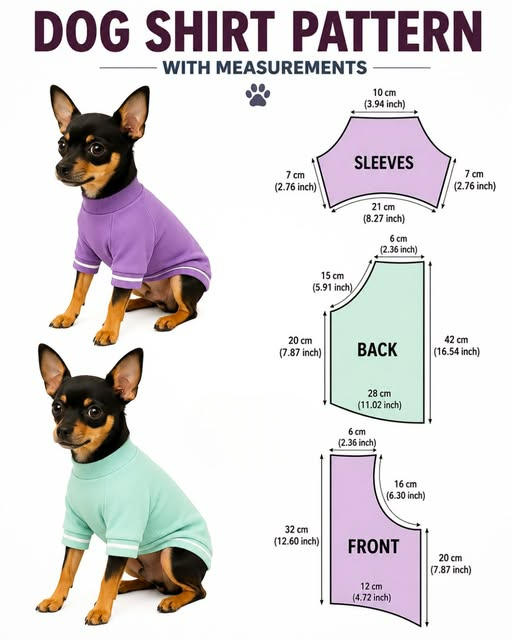
Now that you have your accurate dimensions, you can easily draft a custom template on sturdy paper or modify an existing free pet clothes pattern. Lay your paper flat on your workspace and draw out the basic front chest panel and back piece using your custom measurements. Remember to explicitly incorporate a standard half-inch seam allowance around all outer edges of your drawn shapes so your final piece isn’t too small.
Fold your selected fabric perfectly in half along the grainline, making sure there are absolutely no deep wrinkles or folds in the material. Place your paper pattern pieces directly onto the textile, aligning the center back line perfectly with the folded edge of the fabric. Securing the paper template with heavy pattern weights or sharp dressmaker pins will prevent any unwanted shifting while you operate your cutting tools.
Using your sharp fabric shears or a smooth rotary cutter, carefully cut along the outer lines of your pinned paper templates. Keep your cuts incredibly smooth and continuous, as jagged edges can lead to uneven seams and puckering when you move to the sewing machine. Once cut, you will have a perfectly symmetrical back piece and matching chest panels ready for the assembly phase.
If your chosen design features open armholes or exposed necklines, you will also need to cut out coordinating fabric bias strips or elastic ribbing. These narrow strips of matching or contrasting material are used to cleanly bind raw fabric edges, preventing fraying while adding a polished look. Cut these specific strips on a forty-five-degree angle relative to the fabric grain to give them maximum stretch and flexibility.
Before moving to your sewing station, mark any critical placement points for closures, pockets, or decorative elements directly onto the wrong side of the fabric. Use erasable tailor’s chalk or a water-soluble fabric marker to ensure these temporary guidelines wash away completely later on. Organizing your cut pieces into neat stacks will save you precious time and keep your creative momentum flowing perfectly.
Take a quick moment to inspect your cut pieces against your original measurement notes one last time before starting the stitching process. Making sure that the left and right pieces are perfectly mirrored and that the grainline runs vertically will guarantee a professional drape. With your pieces accurately cut and organized, you are now fully prepared to begin stitching your custom pet fashion piece.
4. Assembly and Sewing the Custom Pet Garment
Begin the actual assembly of your fabric pet clothing – tutorial creation by placing the front chest piece and back piece right sides together. Align the shoulder seams perfectly and secure them with pins or quilting clips before taking the pieces to your sewing machine. Stitch across the shoulders using a sturdy straight stitch or a durable stretch stitch if you are working with knit fabrics.
Once the shoulders are connected, open the garment flat and finish the raw edges of the neck and armholes using your prepared bias binding tape. Sew the binding tape along the curves, gently stretching it as you go to ensure it lays perfectly flat against your pet’s body. Beautifully finished edges prevent raw threads from unraveling during rough playtime and stop the fabric from irritating your pet’s skin.
Next, align the side seams of the garment, ensuring the front and back panels match up flawlessly from the armpit down to the bottom hem. Pin these long edges securely and stitch them in place, finishing the raw seam allowances with a zigzag stitch or a serger. If you are creating a quick-release cape or vest design, you might skip these side seams entirely in favor of adjustable straps.
Now it is time to install your chosen secure closure system along the belly panels or neck openings, depending on your layout. Sew your soft hook-and-loop fastener strips or attach your lightweight plastic snaps firmly, reinforcing these high-stress areas with multiple rows of stitching. Make sure the soft side of any hook-and-loop fastener faces toward the pet’s body so it never catches on their natural fur.
Fold the bottom raw hem of the outfit up by a quarter-inch, press it flat with an iron, fold it once more, and stitch a clean line. This double-fold hem technique creates a beautiful, professional border that easily withstands repetitive trips through the washing machine. Take a moment to clip any remaining loose threads and press the entire completed outfit with your iron to set the stitches permanently.
Introduce the finished garment to your pet gradually, pairing the initial fitting session with plenty of praise, love, and high-value treats. Watch how they walk, sit, and move around the room to ensure there is absolutely no restriction around their legs or throat. Congratulations, you have successfully transformed a simple piece of raw material into a functional, gorgeous, and custom-fitted wardrobe item.
FAQ
Which fabrics are safest for making dog and cat clothes?
Natural, highly breathable fibers like 100% cotton, organic linen, soft flannel, and lightweight jersey knits are the safest options for pets. These materials allow air to flow naturally, preventing moisture buildup and skin irritation. Always avoid stiff, synthetic, or scratchy materials, and ensure any fabric you select is completely free of toxic dyes or loose embellishments.
How do I wash and maintain homemade fabric pet clothing?
To keep your custom creations looking brand new, wash them in cold water on a gentle cycle using a mild, fragrance-free laundry detergent. Secure all hook-and-loop fasteners before washing to prevent them from snagging the delicate fabric fibers. Air drying is highly recommended to prevent shrinking, though you can use a low-heat dryer setting for pre-shrunk cotton items.
Can beginners complete this fabric pet clothing tutorial?
Yes, this project is absolutely beginner-friendly and serves as a fantastic introduction to basic garment construction and pattern modification. Simple designs like pet capes, fleece sweaters, or basic t-shirts require only straight stitches and minimal assembly steps. As your sewing confidence grows, you can easily transition to complex patterns involving sleeves, pockets, and hoods.
What should I do if my pet dislikes wearing clothes?
Always introduce new apparel very slowly, utilizing positive reinforcement techniques like treats, praise, and favorite toys during the process. Let your pet sniff the garment first, then try putting it on for just a few minutes at a time in a stress-free home environment. If your pet shows signs of severe anxiety, freezes completely, or tries to bite the garment, remove it immediately and prioritize their comfort.
Conclusion
This comprehensive fabric pet clothing – tutorial has covered everything from selecting breathable textiles and taking precise measurements to cutting out panels and completing final stitches.
Making custom apparel ensures your beloved animals stay protected from the elements while looking absolutely adorable in unique designs.