
When it comes to everyday kitchen essentials, few tools are as important—or as overlooked—as a sturdy pair of oven mitts. The Padded Kitchen Gloves – Pattern offers a practical and creative way to sew your own heat-resistant gloves tailored exactly to your style and comfort needs. Whether you’re baking, grilling, or handling hot cookware, these gloves provide protection and flair.
Sewing your own padded kitchen gloves is not only budget-friendly, but it’s also a chance to express your personality through fabric choices and design. With the right materials and pattern, you can make gloves that are as beautiful as they are functional—perfect for personal use or as thoughtful handmade gifts.
In this article, we’ll walk you through everything you need to create your own Padded Kitchen Gloves – Pattern, from choosing the best materials and safety features to customizing for fit and aesthetics. Even if you’re new to sewing, this guide will help you feel confident in making your very own kitchen gloves that combine safety with style.
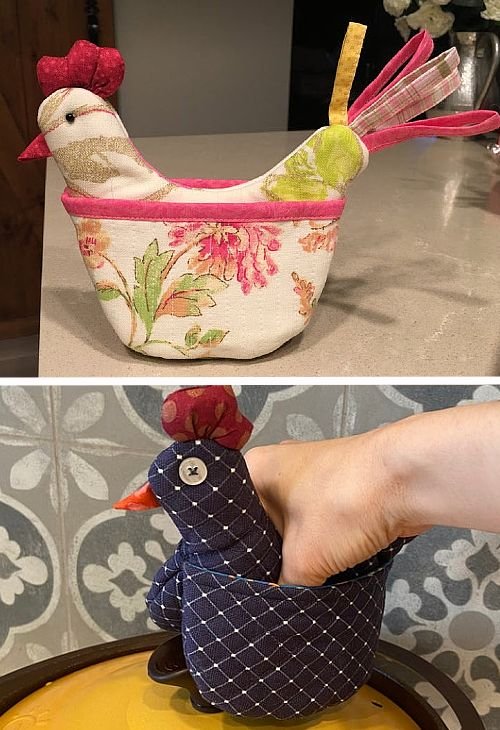
1. Choosing the Right Materials for Padded Kitchen Gloves
One of the most crucial aspects of a reliable Padded Kitchen Gloves – Pattern is material selection. Because the gloves need to withstand high temperatures, not all fabrics are suitable. Start by selecting a high-quality cotton fabric for the exterior. Cotton is breathable, washable, and can handle moderate heat without melting.
For insulation, use Insul-Bright, a heat-resistant batting material designed specifically for oven mitts and pot holders. It reflects heat away from your hand and helps prevent burns. It’s recommended to use two layers of Insul-Bright for added protection, especially for gloves that will be used with hot pans or baking trays.
The inner lining of your gloves should also be 100% cotton or a cotton flannel. This layer sits closest to your skin, so it should feel soft and comfortable while still being safe at high temperatures. Avoid synthetic fabrics like polyester for the lining, as they may melt under heat.
Bias tape or fabric binding is used to finish the edges and reinforce seams. Choose a sturdy cotton bias tape that matches or contrasts your outer fabric for a polished look. Reinforcing the edges is important for the longevity of your padded kitchen gloves.
Don’t forget the thread! Use a strong, heat-resistant polyester or cotton thread for sewing. It needs to withstand repeated washes and exposure to heat, especially if the gloves are used regularly in cooking or baking.
Finally, select a pattern that includes thumb sections, curved seams, and enough length to cover past the wrist. The right Padded Kitchen Gloves – Pattern should be functional, safe, and easy to sew with basic tools.
2. Cutting and Assembling the Glove Pattern
Once you’ve gathered your materials, the next step in making your Padded Kitchen Gloves – Pattern is to cut out your fabric pieces. Print your glove pattern on paper or draw your own by tracing your hand with added space for seam allowances and padding.
Cut two pieces for each hand from your outer cotton fabric, two pieces from your lining fabric, and two to four pieces of Insul-Bright or batting. If your pattern includes separate thumb sections, make sure to cut those pieces carefully to ensure alignment during assembly.
Layer the materials correctly—start with the outer fabric face down, followed by the insulation layers, and finish with the lining fabric face up. Pin all the layers together to prevent shifting while sewing. Use safety pins or quilting clips to avoid damage to the fabric.
Quilting the layers together before sewing the gloves helps the insulation stay in place. You can use straight lines, diamonds, or other quilted patterns. Quilting adds texture and enhances the safety and durability of the gloves.
Next, sew around the glove shape with a 1/4-inch seam allowance. For added strength, backstitch at the beginning and end. If your machine struggles with thick layers, use a walking foot to help it feed smoothly through all materials.
Trim excess batting from the seams and clip the curves for a smooth turn. Turn the gloves right side out and gently push out all corners. Give them a good press with an iron before moving on to binding.
3. Finishing and Binding the Gloves
To finish your Padded Kitchen Gloves – Pattern, you’ll need to bind the raw edges and add any final touches that enhance both durability and appearance. Binding helps protect seams and gives your gloves a professional, clean finish.
Cut a strip of bias tape long enough to go around the glove’s opening. Open the tape, fold it over the raw edge, and pin it in place. Sew along the edge, folding over the end neatly to avoid fraying. Use a zigzag or topstitch for added strength.
If desired, add a hanging loop using a small piece of matching fabric or bias tape. Fold the strip in half, sew the ends, and attach it inside the binding seam before finishing. This makes it easy to hang the gloves when not in use.
Consider customizing your gloves with embroidery, monograms, or appliqué. Adding your initials or a fun kitchen-themed design makes the gloves uniquely yours and great for gifting.
You can also add extra features like silicone grip patches for better hold on slippery pots or pans. These are optional, but great for those who use oven mitts frequently.
If you’re making a matching set, consider creating two gloves or pairing a glove with a coordinating potholder. Using the same fabric and quilting style ties everything together.
Once completed, wash your gloves on a gentle cycle to soften them and test durability. After drying, they’ll be ready to use—and you’ll have the satisfaction of a handmade, functional kitchen essential.
4. Creative Variations and Gift Ideas
One of the best parts about sewing your own Padded Kitchen Gloves – Pattern is the creative freedom it offers. You can personalize each pair based on the season, holiday, or recipient. For example, use festive prints for holiday baking gloves or floral patterns for spring kitchen décor.
Mini gloves or mitts for kids are a fun project if you want to teach little ones how to cook safely. Adjust your pattern size and use colorful prints to match their personality or interests. Be sure to reduce the insulation to allow for better hand mobility.
Use patchwork or quilting scraps to create a unique, scrappy look. This approach not only recycles fabric but also gives the gloves an eclectic charm that’s hard to replicate with store-bought options.
Monogrammed oven gloves make excellent gifts for weddings, birthdays, or housewarmings. Choose elegant fonts or decorative stitching to personalize the gloves with names or initials.
Consider making themed sets—like coffee-themed gloves for a coffee lover, or retro prints for a vintage kitchen. Bundling your gloves with matching potholders, tea towels, or aprons makes for an impressive handmade gift set.
Finally, don’t limit your pattern to just gloves. Use it to make coordinating heat pads, casserole carriers, or trivets using the same padded and insulated techniques.
FAQ: Padded Kitchen Gloves – Pattern
Q1: Can beginners make padded kitchen gloves?
Yes! The Padded Kitchen Gloves – Pattern is a beginner-friendly sewing project. With basic tools and materials, anyone can follow a simple pattern and make a functional glove.
Q2: What is the best insulation material for heat resistance?
Insul-Bright is the most commonly recommended material for padded kitchen gloves. It reflects heat and prevents burns effectively.
Q3: Can I wash padded kitchen gloves in the machine?
Yes. Use cold water and a gentle cycle. Air dry or use a low heat setting to maintain the integrity of the insulation.
Q4: How long does it take to sew a pair of gloves?
On average, it takes 1.5 to 2 hours to complete a pair of gloves, depending on your experience and sewing speed.
Q5: Can I use recycled fabric for this project?
Yes, but make sure it’s 100% cotton and in good condition. Avoid synthetic materials that may not hold up to heat.
Q6: Is quilting necessary for padded gloves?
Quilting is optional but highly recommended. It keeps the layers stable, improves heat distribution, and adds a decorative element.
Conclusion
The Padded Kitchen Gloves – Pattern is more than just a sewing project—it’s a practical creation that enhances your kitchen routine while showcasing your personal style. From selecting the right materials to quilting and binding, each step is rewarding and results in a useful, handmade item.
This pattern is versatile, beginner-friendly, and perfect for customization. Whether you’re making gloves for yourself, your family, or as heartfelt gifts, the satisfaction of creating something functional and beautiful is unmatched.
If this article helped you learn more about the Padded Kitchen Gloves – Pattern, please leave a sincere opinion or suggestion in the comments below. Your feedback supports the sewing and crafting community and encourages creative sharing.
Happy sewing! 🧵🧤