
How to Make Crochet a Backpack – Tutorial is the ultimate guide you need to create a stylish, functional, and completely customized accessory from scratch. Whether you are looking for a creative weekend project or want to master a new skill, learning how to craft your own bag is incredibly rewarding. Crochet has evolved from a traditional hobby into a major modern fashion trend, and there is nothing quite like wearing a piece that you stitched together with your own two hands.
In this comprehensive crochet backpack tutorial, we will walk you through every single step of the process, ensuring you feel confident from the very first loop to the final seam. Backpacks are uniquely versatile, making them the perfect project for crafters who want to combine aesthetic appeal with everyday utility. By mastering a few foundational stitches and understanding how to structure your work, you will be able to whip up a beautiful, durable bag in no time.
Many beginners feel intimidated by the idea of shaping a three-dimensional item like a bag, but we are here to break down the walls of doubt. This step-by-step crochet guide is designed to be highly accessible, using clear language and practical tips that keep you motivated. Grab your favorite yarn, find a comfortable spot to sit, and let’s dive into the wonderful world of handmade fashion as we explore exactly how to bring this project to life.
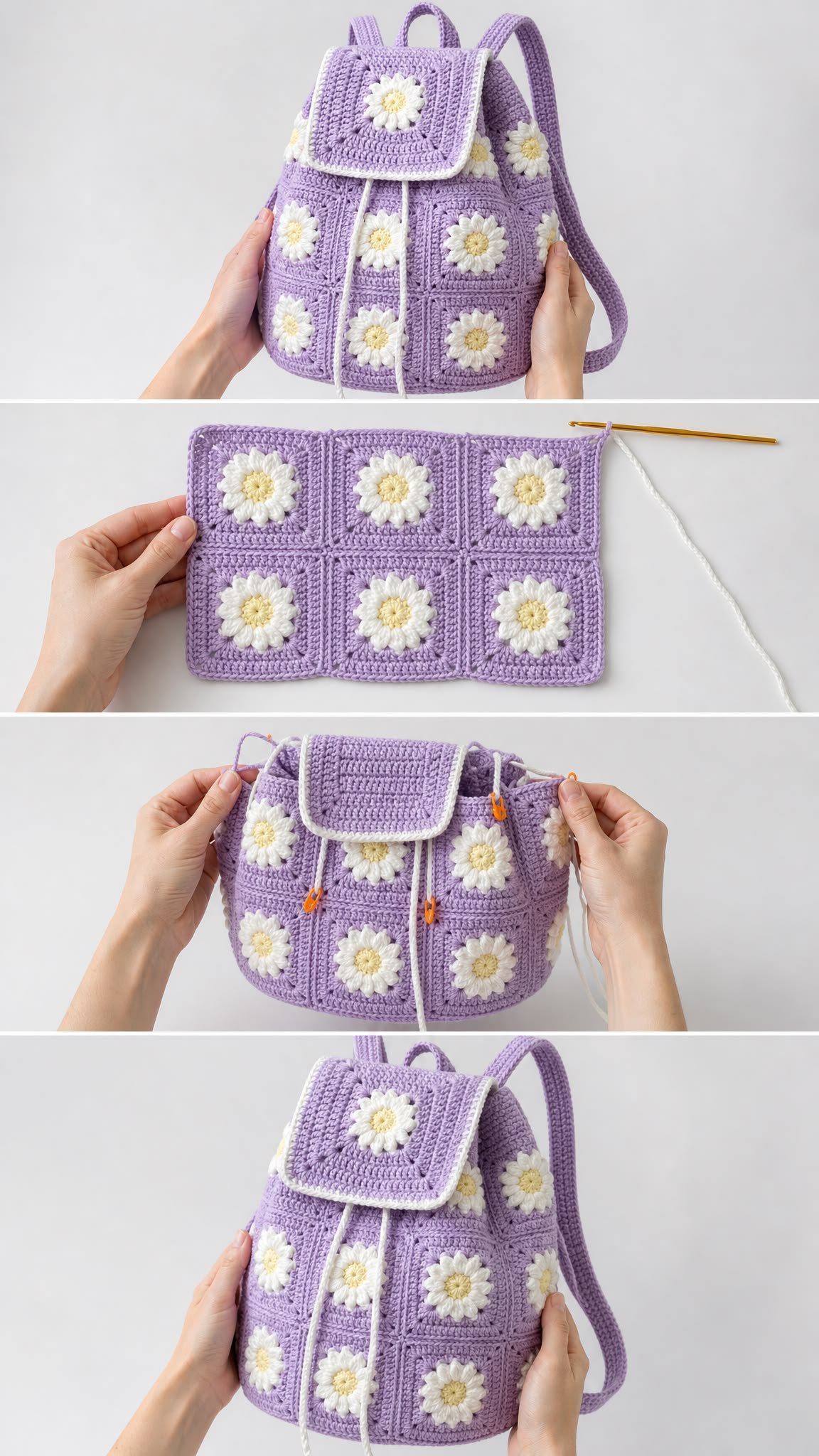
1. How to Make Your First Stitches with Confidence
When you are learning how to make any handmade item, the secret lies in mastering the foundational steps before rushing into the complex details. For a sturdy item like a backpack, your tension and stitch consistency are absolutely vital to ensure the bag holds its shape when filled with your daily essentials. Starting with a solid foundation will prevent the fabric from sagging or stretching out of proportion later on.
To begin, you will want to select a robust yarn, such as a t-shirt yarn, macrame cord, or a high-quality cotton bulky yarn. These thicker materials provide the natural structure and durability required for a functional bag. Pairing your chosen yarn with the correct crochet hook size—usually indicated on the yarn label—is the first official step in your creative journey.
Once your materials are ready, you will initiate the project by creating a slip knot and working a foundation chain. This chain will determine the width of your backpack’s base, so count your stitches carefully to maintain perfect symmetry. If you are a complete novice, practicing a few rows of single crochet stitches on a scrap piece of yarn can help you find your rhythm.
The magic of learning how to make your own gear is that you are in total control of the dimensions. You can easily adjust the length of your starting chain to create a miniature fashion backpack or a large, spacious sack for school or travel. Keeping your stitches relatively tight during this phase ensures that small items won’t slip through gaps in the fabric.
As you work through the initial base rows, remember to count your stitches at the end of every single row. It is incredibly easy to accidentally drop or add a stitch at the turns, which can result in an uneven, crooked shape. Consistency early on saves you from the frustration of having to unravel hours of hard work later down the line.
Take a moment to celebrate these first few rows because you have officially unlocked the core mechanics of the project. Visualizing the final product while working on these simple rows keeps the process exciting and deeply engaging. With your foundation securely established, you are officially ready to transition into building the main body of your bag.
2. Crochet a Backpack Structure from Base to Straps
To successfully crochet a backpack, you must transition from working in flat rows to working in rounds or building up the sides vertically. The base of the backpack is typically worked as an oval or a solid rectangle, using dense stitches like the single crochet or waistcoat stitch. This density is crucial because the bottom of the bag bears the brunt of the weight from your belongings.
Once the base reaches your desired dimensions, you will stop increasing stitches and begin working directly into the loops to create the walls. This shift in technique causes the piece to naturally curl upward, forming the main compartment of your bag. Watching the flat piece of fabric transform into a three-dimensional container is one of the most satisfying parts of the process.
As you build the body, you can choose to stick with a clean, minimalist texture or experiment with a textured crochet stitch like the bean stitch or alpine stitch. Keep in mind that highly textured stitches might consume more yarn, so plan your supply budget accordingly. Consistently check your yarn tension so the walls rise evenly on all sides without warping.
No backpack is complete without a reliable way to carry it, which brings us to the design and creation of the crochet backpack straps. Straps need to be incredibly strong to prevent excessive stretching over time, so working them lengthwise with tight stitches is highly recommended. You can also reinforce them by crocheting over a piece of cotton webbing or cord for maximum durability.
When attaching the straps to the main body, placement is everything for comfort and ergonomics. Use stitch markers to map out the exact center of the back panel before securing the straps with a sturdy slip stitch join or a tapestry needle. Securing them at both the top alignment and the lower corners ensures that the weight distributes evenly across your shoulders.
By learning how to properly structure each component, your ability to crochet a backpack turns from a simple craft project into an exercise in functional engineering. You are creating a wearable piece of art that balances beauty with real-world utility. With the main structure and straps fully assembled, we can now focus on the closing mechanisms and finishing touches.
3. Tutorial Steps for Perfecting Finishes and Closures
Following a structured tutorial ensures that you don’t overlook the fine details that elevate a project from looking amateur to professional. The closing mechanism of your backpack is a prime example of a feature that requires a bit of planning and precision. A popular and highly effective choice for handmade bags is the classic drawstring closure, which is both secure and stylish.
To create holes for your drawstring, you will intentionally create evenly spaced gaps near the top rim of your backpack body. This is easily achieved by skipping a stitch and replacing it with a chain stitch in one round, then resuming normal stitches in the next round. This simple technique creates neat eyelets that won’t fray or tear when the cord is pulled tight.
For the drawstring itself, you can easily crochet a thick i-cord or a simple chain using a double strand of yarn for extra thickness. Threading this cord through your newly created eyelets gives your bag that classic, cinched rucksack appearance. You can add decorative wooden beads or tassels to the ends of the cord for an extra touch of bohemian flair.
To add an extra layer of security, adding a crochet backpack flap that folds over the top opening is an excellent design choice. The flap is typically attached directly to the back rim of the bag and worked downward using decreasing stitches to create a tapered look. This flap not only protects your belongings from the elements but also serves as a great visual focal point.
Hardware integration is another brilliant tip often highlighted in a premium tutorial. You can easily sew on a magnetic snap fastener, a beautiful vintage button, or even install a metal tuck lock clasp to keep the flap firmly shut. Mixing metallic or wooden elements with the soft texture of yarn creates a gorgeous, high-end contrast.
The final step in the fabrication process involves weaving in all your loose yarn tails securely using a blunt tapestry needle. Weave the ends back and forth through the dense stitches multiple times to ensure they will never unravel during a wash cycle. With the finishes complete, your handmade masterpiece is fully assembled and ready for the world.
4. SEO Tips and Tricks for Sharing Your Crochet Journey
When you decide to share your crafting knowledge online, understanding search engine optimization helps your content reach passionate makers worldwide. Using a highly searched focus keyphrase naturally within your text helps search engines categorize your page correctly. However, your primary goal should always be providing genuine value and a fantastic reading experience for your audience.
Structuring your online guides with clear headings allows readers to scan the page quickly to find the exact information they need. People looking for crafting guides love clear, step-by-step instructions that don’t leave them guessing. Including high-quality, bright photos of your progress alongside your text dramatically increases user engagement and time spent on your site.
Optimizing your images is another powerful strategy that many content creators completely overlook. Always save your image files with descriptive names containing your main keywords, and never forget to fill out the alt text field. This alternative text helps visually impaired readers understand your images while giving search engine bots valuable context about your media.
Building a community around your crafts involves using an approachable, encouraging, and deeply authentic human tone of voice. Avoid overly academic language or robotic sentence structures, as crafting is an inherently warm, creative, and personal activity. Speak to your readers like a supportive friend who is sitting right next to them on the couch offering guidance.
Internal and external linking can also give your article a major visibility boost on major search networks. Link out to high-quality resources, such as video demonstrations of specific stitches, or link back to your own previous crafting patterns. This network of links shows search engines that your website is a reliable, well-organized hub of valuable information.
Sharing your completed projects on visual social media platforms can drive massive amounts of organic traffic back to your written guide. Encourage your readers to save your posts, share their own progress photos, and interact with your written content. By combining smart technical practices with a genuine passion for the craft, your digital space will thrive naturally.
FAQ
What is the best type of yarn for a crochet backpack?
The best yarn choices are durable, non-stretch options such as thick cotton yarn, t-shirt yarn, or macrame nylon cord. These materials provide the rigid structure needed to keep the bag from sagging when it contains heavy items.
How long does it take to crochet a full-sized backpack?
For an intermediate crafter using bulky yarn, a backpack can take anywhere from 6 to 12 hours of active crocheting time. If you choose a thinner yarn or a highly intricate stitch pattern, it may take a few days to complete.
Do I need to line my crochet backpack with fabric?
While lining is not strictly mandatory, adding a fabric liner made of cotton or canvas will significantly extend the life of your bag. It prevents the yarn from stretching out over time and keeps tiny items from slipping through the stitches.
Can a beginner handle this backpack project?
Yes, absolutely! If you know how to do a basic slip knot, a chain stitch, and a single crochet, you can complete this project. Following a structured guide step-by-step makes the entire assembly process incredibly straightforward.
How do I wash and care for my handmade bag?
It is highly recommended to hand wash your bag in cool water using a mild detergent, then reshape it and lay it flat to dry. Avoid using a mechanical dryer, as high heat can shrink or distort the fibers of your hard work.
Conclusion
This How to Make Crochet a Backpack – Tutorial has covered everything from selecting the perfect structural yarn to mastering the fundamental stitches, assembling the straps, and adding gorgeous finishing closures.
By breaking down the process into manageable steps, you can create a gorgeous, durable accessory that perfectly reflects your personal style. Crocheting your own bag is an empowering experience that turns simple strands of yarn into a highly functional piece of wearable art.