
Eco-friendly Cloth Sanitary Pad Pattern is an excellent project for anyone who wants to create a reusable, comfortable, and environmentally conscious sewing accessory. This practical sewing pattern combines functionality, durability, and sustainability, making it a popular choice for beginners and experienced sewists alike. By learning how to make your own Eco-friendly Cloth Sanitary Pad Pattern, you gain complete control over the materials, size, absorbency, and design while reducing disposable waste.
Creating a Eco-friendly Cloth Sanitary Pad Pattern is not only an enjoyable sewing project but also an opportunity to personalize every detail. From selecting colorful cotton fabrics to choosing highly absorbent inner layers, each step allows you to customize the final product according to your preferences. Handmade reusable pads can last for years with proper care, making them a cost-effective and eco-friendly alternative.
Throughout this guide, you will discover the complete process of sewing your own Eco-friendly Cloth Sanitary Pad Pattern, including fabric selection, cutting, layering, stitching, finishing, and care instructions. Every step has been simplified to help you achieve professional-looking results while improving your sewing skills. Whether you are sewing for yourself, a family member, or as part of a handmade gift collection, this project offers both creativity and practicality.
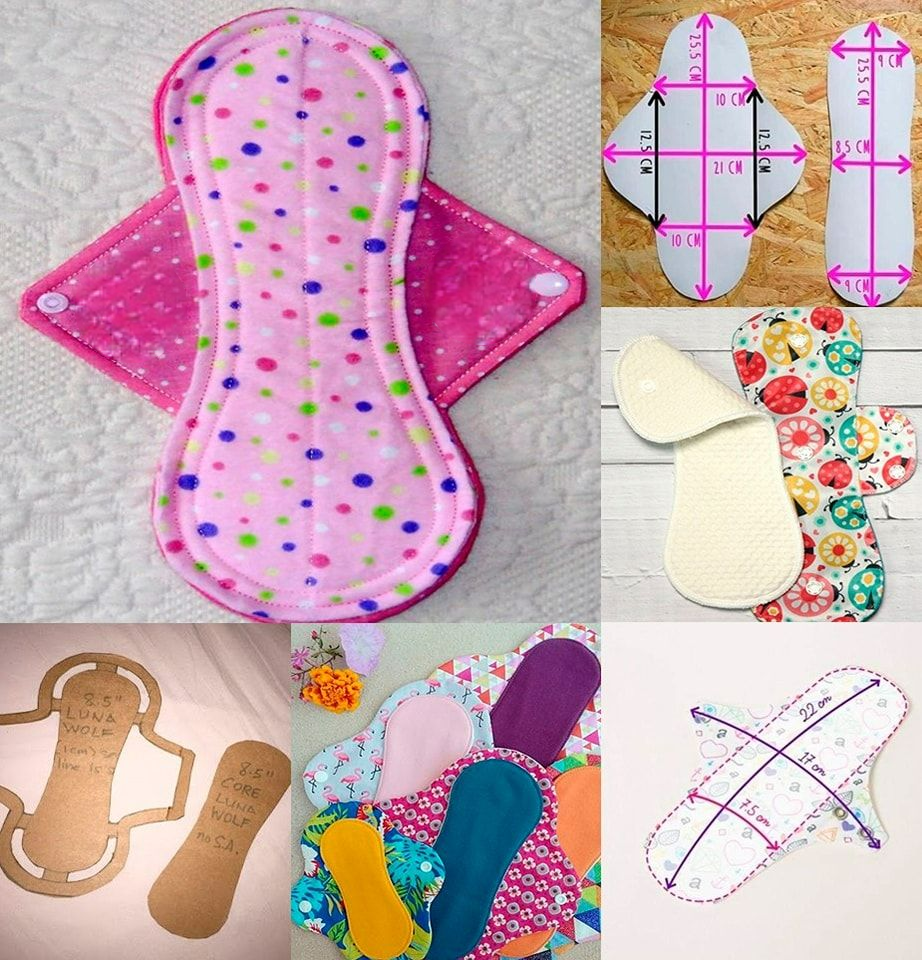
Choosing Materials and Preparing the Eco-friendly Cloth Sanitary Pad Pattern
Selecting quality materials is one of the most important parts of making a durable Eco-friendly Cloth Sanitary Pad Pattern. The right combination of fabrics ensures comfort, softness, absorbency, and longevity.
The outer decorative layer is commonly made from 100% quilting cotton. This fabric is available in countless prints and colors, allowing you to create unique reusable pads that reflect your personal style.
For the body-facing layer, many sewists prefer soft cotton flannel, organic cotton jersey, or bamboo fleece. These materials feel gentle against sensitive skin while remaining breathable throughout daily use.
The absorbent inner core can be made from cotton batting, bamboo fleece, Zorb®, hemp fleece, or multiple layers of cotton terry cloth. Choosing the right absorbent material depends on the desired level of protection.
A waterproof hidden layer is optional but often included. PUL (Polyurethane Laminate) is widely used because it prevents leaks while maintaining flexibility and softness.
Before cutting your fabrics, wash and dry every material. Prewashing removes shrinkage and ensures that the finished Eco-friendly Cloth Sanitary Pad Pattern maintains its intended size after future laundering.
Cutting the Fabric and Assembling the Layers
Begin by printing or tracing your Eco-friendly Cloth Sanitary Pad Pattern onto sturdy cardstock or acrylic template material. Using a durable template makes it easier to produce multiple identical pieces.
Cut one outer decorative layer from quilting cotton. This piece will become the bottom side of the finished pad.
Cut one top layer from soft flannel or cotton jersey. This surface will remain in contact with the skin and should be as comfortable as possible.
Next, cut two to four absorbent inserts according to your preferred thickness. These inserts should be slightly smaller than the full pattern to reduce bulk around the edges.
If using waterproof PUL, cut one layer slightly smaller than the outer shape. Keeping it away from the seam allowance helps maintain flexibility during sewing.
Stack the layers carefully in this order: outer cotton fabric, waterproof layer (optional), absorbent core, and soft top fabric. Pin or clip everything securely to prevent shifting.
Sewing the Eco-friendly Cloth Sanitary Pad Pattern Step by Step
Begin sewing by stitching around the absorbent core. This quilting step keeps the internal layers securely positioned during repeated washing.
Use a stitch length between 2.5 mm and 3.0 mm for smooth, even seams. Polyester thread is recommended because it provides excellent durability and flexibility.
After quilting the center, sew around the outer edge using approximately a ¼-inch seam allowance. Leave a small opening if your construction method requires turning the project right side out.
Trim excess seam allowance around the curved edges. Small notches around the curves help the finished pad lie perfectly flat after turning.
Turn the project right side out through the opening. Use a blunt turning tool or chopstick to gently shape every curve without damaging the fabric.
Close the opening with a neat topstitch around the entire perimeter. This final stitching also strengthens the edge and gives the Eco-friendly Cloth Sanitary Pad Pattern a polished, professional appearance.
Finishing Details, Care Instructions, and Customization Ideas
Install plastic snaps on both wings so the pad can be securely wrapped around underwear. Plastic resin snaps are durable, rust-resistant, and easy to apply with snap-setting tools.
If snaps are unavailable, hook-and-loop tape or sewn button closures may also be used, although snaps generally provide the cleanest finish and longest lifespan.
Experiment with different absorbency levels by adjusting the number of inner layers. Light, moderate, overnight, and postpartum versions can all be created using the same basic Eco-friendly Cloth Sanitary Pad Pattern.
Decorative topstitching, colorful thread, embroidered initials, or playful fabric prints allow every reusable pad to become unique while maintaining full functionality.
After each use, rinse the pad in cool water before laundering. Wash with mild detergent and avoid fabric softeners, which may reduce absorbency over time.
Allow the finished pads to air dry whenever possible, although many high-quality fabrics also tolerate tumble drying on low heat. Proper care helps reusable cloth pads remain effective for years.
FAQ
What fabric works best for an Eco-friendly Cloth Sanitary Pad Pattern?
Quilting cotton is ideal for the outer layer, while cotton flannel, bamboo fleece, or organic cotton jersey provide excellent comfort for the top layer. Highly absorbent materials such as bamboo fleece, cotton batting, hemp fleece, or Zorb® are commonly used inside.
How many absorbent layers should I use?
Light-flow pads typically use two absorbent layers, while medium-flow versions often include three layers. Overnight or heavy-flow designs may require four or more absorbent layers depending on the fabric chosen.
Is a waterproof layer necessary?
No. Many reusable cloth pads work very well without waterproof fabric. However, adding a hidden PUL layer provides additional leak resistance for heavier absorbency needs.
Can beginners sew this project?
Yes. The Eco-friendly Cloth Sanitary Pad Pattern is considered beginner-friendly because it uses simple curved seams, basic quilting, and straightforward construction techniques.
Which sewing machine needle is recommended?
A universal needle size 80/12 or 90/14 works well with most cotton fabrics. A ballpoint needle may be preferred when sewing knit fabrics such as cotton jersey.
What thread should I use?
Good-quality polyester thread offers excellent strength and withstands repeated washing better than many cotton threads.
How long do reusable cloth sanitary pads last?
With proper care and regular laundering, handmade reusable pads can often remain in excellent condition for several years.
Can I change the size of the pattern?
Absolutely. The Eco-friendly Cloth Sanitary Pad Pattern can easily be lengthened, widened, or narrowed to suit personal preferences and different absorbency requirements.
How should reusable cloth pads be washed?
Rinse them in cool water after use, wash with mild detergent, avoid bleach and fabric softener, and allow them to air dry or tumble dry on low heat.
Are reusable cloth pads environmentally friendly?
Yes. Because they are washable and reusable, they help reduce disposable waste while offering a long-lasting alternative that can significantly decrease the number of single-use products sent to landfills.
Conclusion
The Eco-friendly Cloth Sanitary Pad Pattern is a rewarding sewing project that combines comfort, sustainability, and practicality in one reusable design. Throughout this guide, you learned how to select appropriate fabrics, prepare and cut the pattern pieces, build the absorbent inner layers, sew the pad step by step, install secure closures, and properly care for the finished product.
By mastering these techniques, you can confidently create reusable cloth sanitary pads in different sizes, absorbency levels, and fabric combinations that suit your individual needs. With practice, each project becomes easier and more refined, resulting in durable handmade items that can provide reliable use for years.