
Are you ready to dive into the wonderful world of sustainable fashion and crafting? Learning how to create your own accessories is one of the most rewarding projects you can undertake, and this comprehensive fabric bag – tutorial is designed to guide you through every single step of the process. Whether you are a seasoned textile artist or a complete beginner sitting at a sewing machine for the very first time, crafting a custom tote or pouch allows you to express your unique style while reducing your environmental footprint.
In a world dominated by mass production, a handmade item carries a special charm and durability that commercial products simply cannot match. By mastering a basic fabric bag – tutorial, you gain the foundational skills needed to experiment with different shapes, sizes, and embellishments, ultimately allowing you to design a whole collection of functional accessories. From eco-friendly grocery shoppers to elegant daily purses, the possibilities are genuinely endless when you know how to handle your materials properly.
Throughout this detailed guide, we will break down the entire manufacturing process into manageable, easy-to-follow steps that guarantee professional results. We will focus on selecting the right textiles, cutting your pieces accurately, assembling the structure with clean seams, and adding those final personal touches that make your work stand out. Grab your measuring tape, pick out your favorite gorgeous prints, and let’s dive straight into this definitive fabric bag – tutorial.
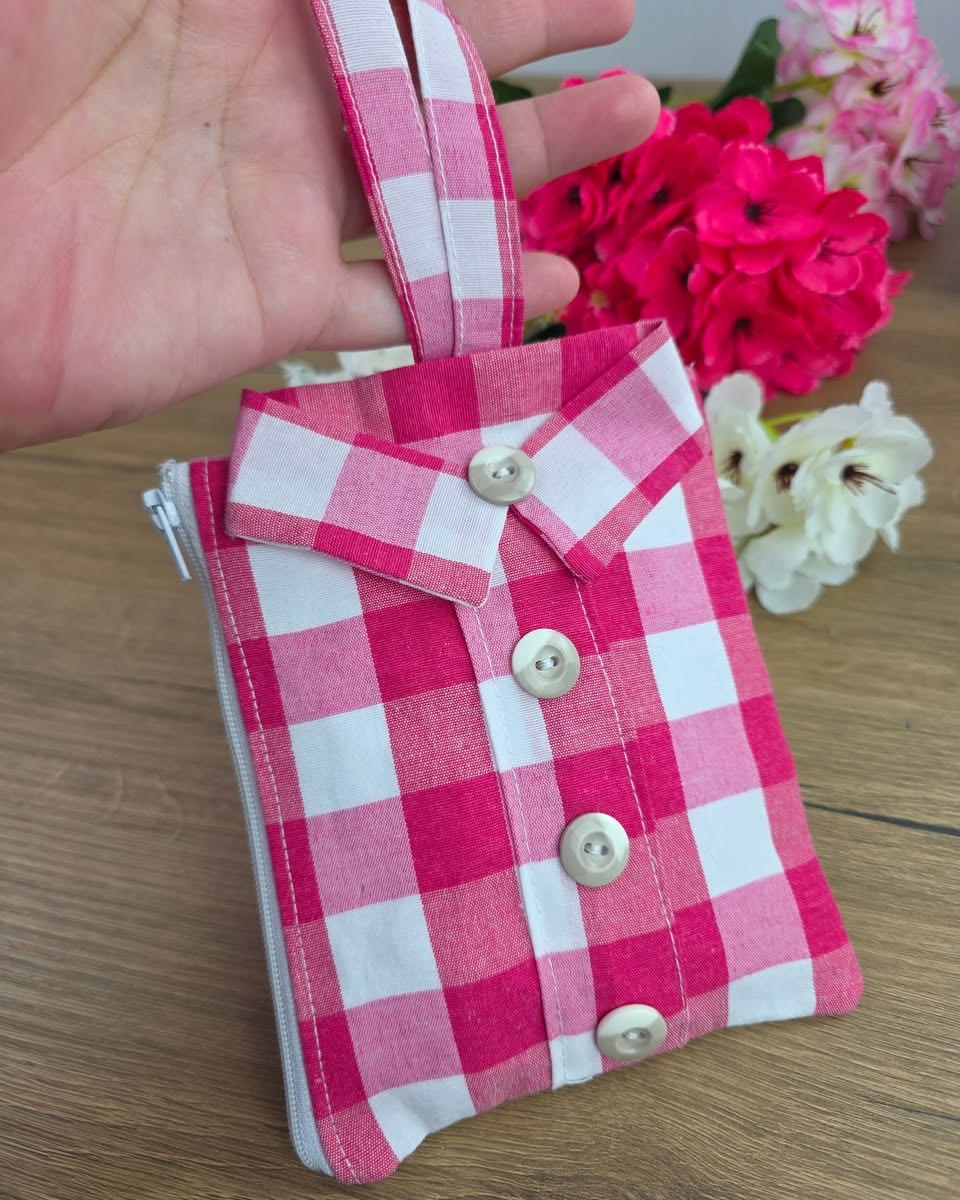
1. Choosing the Perfect Materials and Tools
Before you begin stitching, selecting the right textile for your project is absolutely crucial for achieving a durable and beautiful result. For this fabric bag – tutorial, we highly recommend sturdy options like heavy cotton canvas, duck cloth, or linen for the exterior, as they provide the structural integrity required to carry daily essentials.
If you love sustainable crafting and upcycling, you can also repurpose old denim jeans or canvas jackets, giving discarded garments a fantastic second life. For the interior lining, lighter options like quilting cotton work beautifully, offering a smooth finish and an opportunity to introduce a fun, contrasting pop of color or pattern.
Beyond the textiles, gathering the correct tools beforehand will save you a lot of time and potential frustration during the assembly process. You will need a reliable sewing machine equipped with a heavy-duty needle, sharp fabric shears, a rotary cutter, a cutting mat, a clear acrylic ruler, and plenty of sewing pins or quilting clips.
Do not overlook the importance of high-quality matching thread; a strong polyester or heavy-duty cotton thread ensures that your seams will hold up under weight and constant use. Additionally, having an iron and ironing board nearby is non-negotiable, as pressing your seams flat is the secret weapon to achieving a truly crisp, professional-looking finish.
Taking the time to prep your materials by pre-washing and ironing them prevents unexpected shrinking later on, ensuring your finished piece retains its perfect shape after its first wash. Once your workspace is organized and your tools are ready, you can confidently move forward with the cutting phase of our fabric bag – tutorial.
2. Cutting and Preparing Your Pieces Accurately
Precision during the cutting phase is the secret ingredient to a perfectly symmetrical and functional final product. To follow this fabric bag – tutorial successfully, you will need to cut two identical rectangles for the outer shell, two matching rectangles for the lining, and two long strips for the handles.
For a standard, versatile daily tote, a great dimension to start with is 14 inches wide by 16 inches long for the main body panels. If you prefer a sturdier structure that doesn’t sag when filled, this is the perfect moment to cut two pieces of fusible interfacing to the exact same size as your outer panels.
Fusible interfacing is an incredible material that bonds to the back of your textile when pressed with a hot iron, adding wonderful stiffness and body to thinner materials. Take your time aligning the glue side of the interfacing with the wrong side of your exterior panels, and press firmly without sliding the iron around.
For the handles, cut two strips measuring 4 inches wide by 26 inches long, which provides a comfortable length for carrying the finished piece over your shoulder. If you prefer shorter hand-held straps, you can easily reduce the length to 16 inches, demonstrating how customizable this fabric bag – tutorial truly is.
Once all your main pieces and handles are neatly cut, lay them out on your workspace to verify that all the edges match up flawlessly. Taking an extra five minutes to trim away any stray threads or uneven edges now will make the upcoming sewing steps much smoother and more enjoyable.
3. Assembling the Outer Shell and Handles
Now that preparation is complete, it is time to bring the structure together by sewing the main body components. Place your two exterior panels together with their right sides facing each other, aligning the side and bottom edges perfectly, and pin them securely along the three sides.
Using a standard half-inch seam allowance, sew down one side, across the bottom, and up the opposite side, remembering to backstitch at the beginning and end of each line to lock the stitches. If you want to give your creation a flat bottom so it can stand upright, you can easily box the corners at this stage.
To box the corners, flatten the bottom corners of the stitched shell so that the side seam aligns perfectly with the bottom seam, creating a triangle shape. Measure about 1.5 inches from the point, draw a straight line across, sew directly along that line, and trim away the excess triangle fabric.
Next, let’s create the sturdy straps by folding each handle strip in half lengthwise with the wrong sides together, pressing the fold with your iron to create a sharp center crease. Open the strip back up, fold both raw outer edges inward to meet that center crease, and fold the entire strap in half once more.
Press the folded strap thoroughly, then topstitch down both long edges about an eighth of an inch from the border to create a beautifully finished, incredibly durable handle. Repeat this exact method for the second strap, ensuring both handles are identical in length and width before moving forward.
Finally, pin the raw ends of the handles to the right side of your exterior shell’s top edge, spacing them about 3 inches from the side seams. Baste them in place using a very short stitch length just a quarter of an inch from the top edge, securing them temporarily for the final assembly.
4. Sewing the Lining and Joining It All Together
With the exterior ready, we will assemble the lining using a very similar method, placing the two lining rectangles right sides together and pinning the sides and bottom. However, when sewing the bottom edge of the lining, leave a 4-inch opening right in the middle, which is essential for turning the project right side out later.
Sew down the sides and the bottom edges, leaving that crucial gap untouched, and box the bottom corners exactly the same way you did for the outer shell. Keep the lining bag inside out, but turn your completed exterior shell right side out, keeping the attached handles pointing down toward the bottom.
Insert the right-side-out exterior shell completely inside the inside-out lining bag, matching up the side seams and ensuring the right sides of both layers are touching. Pin or clip the entire top circular edge together, making sure the straps remain tucked safely down between the two layers so they don’t get accidentally caught in the seam.
Sew completely around the top raw edge of the opening using a half-inch seam allowance, going slowly over the areas where the handles are attached to ensure total accuracy. Once finished, reach your hand through the 4-inch gap you left at the bottom of the lining and gently pull the entire exterior shell through.
As the magic happens, pull the entire tote through the opening, tuck the raw edges of the lining gap neatly inside, and topstitch the hole closed close to the edge. Push the completed lining down into the exterior shell, smoothing out the corners with your fingers, and give the entire top edge a beautiful, thorough press with your iron.
To finish this fabric bag – tutorial with maximum durability, topstitch all the way around the top rim about a quarter-inch below the edge. This final line of stitching looks incredibly neat and serves to reinforce the handle attachments, ensuring your new creation can handle heavy loads with absolute ease.
FAQ
What is the best type of material for a beginner following a fabric bag – tutorial?
The absolute best choice for beginners is 100% quilting cotton or medium-weight cotton canvas. These textiles are stable, do not stretch out of shape easily while sewing, and press beautifully with a standard iron. Avoid slippery or stretchy materials like silk or jersey until you gain more confidence with your machine.
Do I really need to use fusible interfacing?
While it is not strictly mandatory, using fusible interfacing is highly recommended if you want your project to have structure and stand up on its own. Without interfacing, thinner materials will sag and lose their shape when keys, wallets, or books are placed inside.
Can I wash my handmade accessory after it is finished?
Yes, absolutely, provided you pre-washed your textiles before cutting them out. Pre-washing removes any manufacturing starches and pre-shrinks the material, allowing you to safely wash your finished creation in cool water and air dry it without risking distortion.
How do I reinforce the handles so they can carry heavy items?
The best way to reinforce handles is to sew a secure square with an “X” shape inside it (often called an X-box stitch) right over the spot where the strap meets the top rim. Additionally, the final topstitching around the rim provides an extra layer of structural support.
What size sewing machine needle should I use for canvas?
When working with thicker materials like canvas, denim, or multiple layers of cotton, you should use a size 90/14 or 100/16 universal or denim needle. Using a needle that is too thin can cause the thread to shred or result in broken needles.
Can I add a zipper or pockets to this basic design?
Yes, this basic template is incredibly customizable. Slip pockets can easily be sewn onto the lining panels before you assemble the lining, and zippers can be inserted into the top rim with a bit of practice once you master this fundamental assembly technique.
Conclusion
In this fabric bag – tutorial, we have covered every step necessary to create a beautiful, durable, and fully lined custom accessory from scratch. From selecting sturdy materials like canvas and denim to mastering the art of boxing corners and reinforcing handles, you now possess the core skills to tackle a wide variety of sewing projects.
Crafting your own items not only allows you to curate your personal style but also connects you to the rewarding tradition of handmade utility.