
The Fabric Ruffled Bag – Tutorial is the ultimate guide for anyone looking to blend functionality with a touch of whimsical flair in their sewing projects. Creating your own Fabric Ruffled Bag allows you to express your personality through textures and colors that store-bought items simply can’t match. This sewing guide is designed to take you through the process step-by-step, ensuring that even beginners can achieve a professional-looking finish while mastering the art of fabric manipulation and ruffle creation.
Whether you are looking for a unique gift or a statement accessory for your own wardrobe, this Fabric Ruffled Bag – Tutorial provides all the insights you need. We will explore everything from fabric selection to the final stitching techniques that give the bag its signature voluminous look. By focusing on durable materials and precise measurements, you can ensure your creation is not only beautiful but also sturdy enough for daily use.
In the world of DIY fashion, the Fabric Ruffled Bag stands out because of its tactile appeal and the way it catches the light. This Tutorial emphasizes the importance of thread tension and seam allowances, which are crucial when working with multiple layers of gathered fabric. Let’s dive into the specifics of making your own custom handbag while optimizing every step for a high-quality result that looks like it came straight from a boutique.
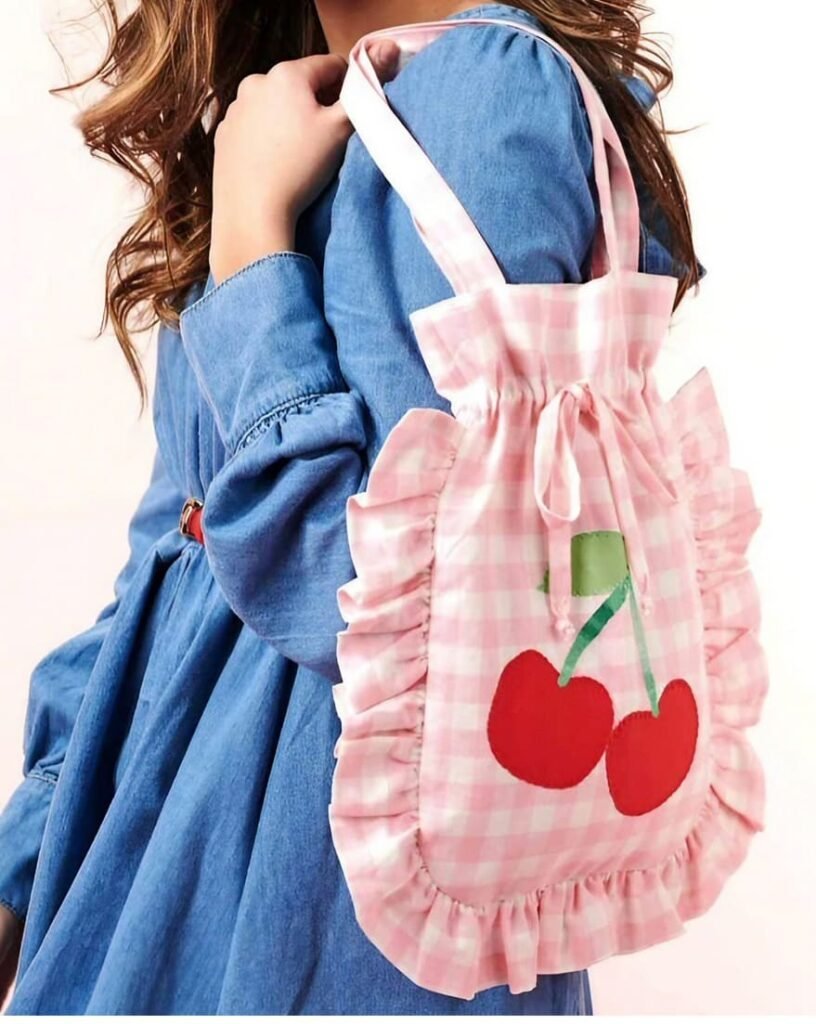
1. Essential Materials for Your Fabric Ruffled Bag – Tutorial
Choosing the right textiles is the first critical step in this Fabric Ruffled Bag – Tutorial. For the best results, look for lightweight cotton or linen blends that drape well but hold a crisp fold when gathered. These materials ensure that your ruffles look full rather than limp, providing that classic “scrunchy” aesthetic that makes this bag so popular.
You will also need a high-quality interfacing to provide structure to the main body of the bag. Since the ruffles add a lot of visual weight, the base of your Fabric Ruffled Bag needs to be sturdy enough to maintain its shape. I recommend a fusible fleece or a medium-weight stabilizer to give the project a professional feel without making it too stiff.
Don’t forget the notions that make the sewing process smoother. A gathering foot for your sewing machine can save you hours of manual labor, though we will cover how to do it by hand as well. High-strength polyester thread is a must-have to prevent snapping when you are pulling the gathering stitches to create those beautiful, even pleats.
The Fabric Ruffled Bag – Tutorial also requires a set of sharp fabric shears and plenty of sewing pins or clips. Because you will be working with many layers of fabric, keeping everything aligned is the biggest challenge. Using wonder clips instead of pins can often prevent the fabric from shifting under the pressure of the machine’s presser foot.
For the lining, I suggest a contrasting poplin fabric. This adds a “secret” pop of color every time you open your handmade bag. It’s these small details in the Fabric Ruffled Bag – Tutorial that elevate a simple craft project into a piece of bespoke wearable art that people will constantly ask you about.
Finally, consider your handle options. You can sew matching fabric straps or opt for wooden hoops or acrylic chains for a more modern look. This Tutorial focuses on integrated fabric handles to ensure a cohesive look, but the beauty of a DIY project is the ability to customize every single component to your liking.
2. Master the Art of Gathering Ruffles Perfectly
The core of any Fabric Ruffled Bag – Tutorial is the technique used to create the ruffles themselves. To get that perfectly bunched look, you must set your sewing machine to its longest straight stitch setting. This is often called a basting stitch, and it allows you to pull the bobbin thread easily to “scrunch” the fabric into the desired length.
Always sew two parallel rows of basting stitches about a quarter-inch apart. This is a pro-tip in any Fabric Ruffled Bag – Tutorial because it gives you more control over the distribution of the gathers. If one thread snaps, you have a backup, and the double row helps the ruffles lie flat against the main fabric panel for a cleaner finish.
When pulling the threads, work from both ends toward the middle. This ensures that the fabric density is consistent across the entire width of the bag. A common mistake in a Fabric Ruffled Bag is having all the gathers bunched on one side, which makes the final product look lopsided and amateurish.
Once your ruffles are gathered to the width of your bag base, secure the threads by wrapping them around a pin in a figure-eight pattern. This keeps the fabric ruffles from sliding back out while you are pinning them to the main panel. This step is vital for maintaining the geometric symmetry of your accessory.
In this Fabric Ruffled Bag – Tutorial, we emphasize “basting” the ruffles to the base before the final stitch. Use a standard stitch length to sew over the gathers once they are perfectly placed. This prevents the ruffles from moving when you finally join the front and back pieces of the bag together.
Precision is key when dealing with layered ruffles. If you are adding multiple tiers, start from the bottom and work your way up. This ensures that each layer of the Fabric Ruffled Bag overlaps the one below it, hiding the raw edges and the stitching lines for a seamless, professional appearance.
3. Assembling the Main Structure and Lining
Now that the decorative elements are ready, the Fabric Ruffled Bag – Tutorial moves into the structural phase. You will align the front and back panels with right sides together. Make sure your ruffles are tucked inward so they don’t get caught in the side seams, which could cause unwanted bulk or a jammed needle.
Sewing through multiple layers of gathered fabric requires a heavy-duty needle, such as a 90/14 or 100/16. In this Fabric Ruffled Bag – Tutorial, we recommend slowing down your sewing speed as you cross over the ruffle seams. This prevents needle breakage and ensures that your stitches remain straight and even.
The lining is assembled in almost the same way as the exterior, but you must leave a 4-inch gap at the bottom. This “turning hole” is essential for flipping the Fabric Ruffled Bag right-side out once the exterior and interior are joined at the top. It’s a standard garment construction technique that hides all internal seams.
Adding internal pockets is a great way to make your Fabric Ruffled Bag more functional. Before sewing the lining pieces together, stitch a small rectangle of fabric to one side. This gives you a dedicated spot for your phone or keys, solving the common problem of items getting lost in the “fluff” of a ruffled accessory.
Join the exterior bag and the lining at the top rim by nesting one inside the other with right sides facing. Align the side seams perfectly; this is a hallmark of a high-quality Fabric Ruffled Bag – Tutorial result. Pin heavily around the top circumference before sewing a continuous loop around the opening.
After sewing the top, reach through the gap in the lining and pull the entire Fabric Ruffled Bag through. This is the “magic” moment of the Tutorial. Once it’s right-side out, poke the corners out, press the top edge with an iron for a crisp finish, and topstitch around the opening to secure the lining in place.
4. Final Touches and Professional Finishing Techniques
The final stage of the Fabric Ruffled Bag – Tutorial involves finishing the handles and closing the lining. Use an invisible stitch (also known as a ladder stitch) to close the opening in the lining. This ensures that the inside of your Fabric Ruffled Bag looks just as clean and professional as the outside.
If you chose to make fabric straps, ensure they are reinforced with topstitching. This not only looks great but prevents the straps from stretching over time. In this Fabric Ruffled Bag – Tutorial, we suggest “X” box stitching where the straps meet the bag to provide maximum weight-bearing capacity.
Ironing is perhaps the most underrated part of the Fabric Ruffled Bag – Tutorial. Use a steam iron to press the ruffles downward. This helps them lay flat and gives the bag a “store-bought” quality. Be careful not to flatten the ruffles too much; you want to maintain the 3D texture that makes the bag unique.
For added security, you might want to install a magnetic snap or a zipper closure. While a simple tote style is great for beginners, adding hardware elevates the Fabric Ruffled Bag to a professional level. If using a magnetic snap, install it on the lining pieces before you join the interior and exterior together.
You can also add embellishments like bows, pearls, or even a fabric charm. These small additions allow you to further personalize the results of this Fabric Ruffled Bag – Tutorial. Remember, the goal of DIY sewing is to create something that reflects your specific style and creativity.
Finally, take a moment to trim any stray threads. A clean finish is what separates a handmade masterpiece from a craft project. Your Fabric Ruffled Bag is now ready to be shown off! Whether you’re heading to a brunch or a wedding, this bag is sure to be a conversation starter and a testament to your sewing skills.
FAQ – Frequently Asked Questions
1. What is the best fabric for a Fabric Ruffled Bag?
The best fabrics are lightweight cotton, linen, or satin. You want something that gathers easily without adding too much bulk at the seams. Avoid very heavy fabrics like thick denim for the ruffles, as they can be difficult for standard sewing machines to handle.
2. How much fabric do I need for this Tutorial?
Usually, 1 to 1.5 yards of main fabric and 1 yard of lining fabric is enough. The amount depends on how many rows of ruffles you want. Keep in mind that a ruffle typically requires 1.5 to 2 times the width of the bag to look full.
3. Can I make this bag without a sewing machine?
Yes, but it will take significantly longer. You can use a running stitch for gathering and a backstitch for the structural seams. However, for a durable Fabric Ruffled Bag, a machine is highly recommended to ensure the seams can hold the weight of your belongings.
4. How do I wash my Fabric Ruffled Bag?
If you used pre-shrunk cotton, you can wash it on a delicate cycle in a mesh bag. However, to preserve the shape of the ruffles, hand washing and air drying are best. Always iron the ruffles after washing to restore their volume.
5. Is this project suitable for absolute beginners?
Yes! While gathering fabric can be intimidating, it is a fundamental sewing skill. This Fabric Ruffled Bag – Tutorial breaks it down into simple steps. Just take your time with the layers, and don’t be afraid to use plenty of pins.
Conclusion
In this Fabric Ruffled Bag – Tutorial, we have covered everything from selecting the perfect textiles to the intricate process of gathering ruffles and assembling a professional-grade handbag.
We explored the importance of interfacing for structure and the “turn-and-topstitch” method for a clean lining. By following these steps, you’ve learned how to manipulate fabric to create volume and texture, resulting in a stylish, custom accessory that is both functional and fashionable.