
How to Make a Dress for a Pet FABRIC – Tutorial is one of the most enjoyable and rewarding sewing projects for pet lovers who want to create stylish, comfortable, and personalized outfits for their furry companions. Whether you are making a dress for a small dog, a cat, or another beloved pet, learning this technique allows you to combine creativity with practicality while producing something truly unique.
Creating a pet fabric dress does not require years of sewing experience. With patience, basic sewing supplies, and the right approach, anyone can produce a beautiful handmade garment. From selecting soft materials to adding decorative details, every step contributes to a finished piece that is both attractive and comfortable for your pet.
This Tutorial will guide you through everything you need to know about making a fabric pet dress. Along the way, you’ll discover useful sewing tips, fabric recommendations, fitting advice, and finishing techniques that help you create a professional-looking project while ensuring your pet feels happy wearing it.
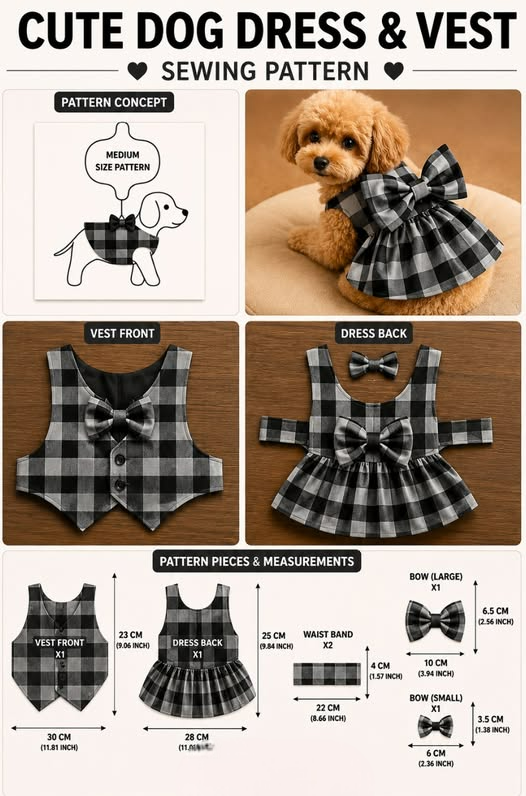
1. Choosing the Best Materials for a Pet Fabric Dress
The success of How to Make a Dress for a Pet FABRIC begins with selecting high-quality materials. Comfortable fabric is far more important than decorative elements because your pet will be wearing the finished project.
Cotton is one of the most popular choices because it is lightweight, breathable, and easy to sew. Many beginners enjoy working with cotton since it holds its shape well and comes in countless colors and prints.
Soft linen blends are another excellent option for warmer weather. These fabrics provide excellent airflow while maintaining a beautiful natural appearance that looks elegant on pets.
If you’re making a dress for cooler seasons, lightweight flannel or brushed cotton can offer additional warmth without becoming bulky or uncomfortable.
Avoid stiff fabrics that restrict movement. Pets need freedom to walk, run, sit, and play naturally, so flexibility should always be a priority when choosing materials.
Finally, remember to select matching thread, quality sewing needles, lightweight interfacing if necessary, and decorative trims that will not irritate your pet’s skin.
2. Measuring and Preparing Your Pet Before Sewing
Accurate measurements are one of the most important parts of any Tutorial for creating a successful pet dress. A well-fitted garment is safer, more comfortable, and much more attractive.
Begin by measuring the neck circumference using a flexible measuring tape. The tape should fit comfortably without being too tight.
Next, measure the widest part of your pet’s chest. This measurement usually determines the overall size of the dress more than any other dimension.
Measure the back length from the base of the neck to the area where you want the dress to end. Different styles may be shorter or longer depending on your preference.
Leave a small amount of extra room in every measurement. This allows your pet to move freely while preventing unnecessary tightness around the body.
Before cutting your fabric, wash and iron it. Pre-washing removes shrinkage, while ironing helps produce cleaner and more accurate cuts throughout the sewing process.
3. Step-by-Step Sewing Process for the Perfect Pet Dress
Once your materials are ready, it’s time to begin the exciting part of How to Make a Dress for a Pet FABRIC by assembling your project carefully.
Start by transferring your pattern pieces onto the fabric using fabric chalk or washable marking tools. Double-check every outline before cutting.
Carefully cut each fabric piece using sharp fabric scissors or a rotary cutter. Smooth edges make sewing much easier and create a cleaner final appearance.
Pin the pieces together with the right sides facing inward. Sew slowly around the main seams while maintaining a consistent seam allowance.
After sewing the primary body, press every seam with an iron. This simple habit dramatically improves the professional appearance of handmade garments.
Attach optional features such as collars, bows, ruffles, lace, or decorative pockets. Keep embellishments securely attached so they remain safe for your pet.
Finish the raw edges using a zigzag stitch, overlock machine, or bias tape. This prevents fraying and increases the durability of your finished dress.
4. Finishing Touches and Tips for Long-Lasting Results
The final stage of this How to Make a Dress for a Pet FABRIC – Tutorial focuses on improving both appearance and durability.
Try the dress on your pet before making the final hems. Minor adjustments at this stage can significantly improve the overall fit.
Observe your pet walking, sitting, and turning around. The garment should remain comfortable during normal movement without sliding or twisting.
Choose closures that are easy to use, such as hook-and-loop fasteners, snaps, or lightweight buttons. Always ensure they are securely attached.
Decorate thoughtfully. Small bows, embroidered names, floral accents, or colorful ribbons can personalize the dress without making it heavy.
Wash handmade pet clothing with mild detergent and cold water whenever possible. Gentle care helps preserve both the fabric and decorative details.
As you gain confidence, experiment with seasonal fabrics, festive prints, elegant trims, and custom color combinations to build a unique wardrobe for your beloved pet.
FAQ – Frequently Asked Questions About How to Make a Dress for a Pet FABRIC
Is this project suitable for beginners?
Yes. This Tutorial is beginner-friendly and uses basic sewing techniques that become easier with practice.
Which fabric is best for a pet dress?
Soft cotton remains one of the best choices because it is breathable, comfortable, washable, and easy to sew.
Do I need a sewing machine?
A sewing machine makes the process faster, but many simple pet dresses can also be sewn by hand using strong, even stitches.
How do I know the correct size?
Always measure your pet’s neck, chest, and back before cutting the fabric. Every pet has unique proportions.
Can I decorate the dress?
Absolutely. You can safely add bows, lace, ruffles, embroidery, fabric flowers, or colorful trims as long as they are securely attached.
How often should pet clothing be washed?
Wash the dress whenever it becomes dirty or after outdoor use. Regular cleaning keeps both the garment and your pet comfortable.
Can I make dresses for different pets?
Yes. The same basic sewing principles can be adapted for small dogs, cats, rabbits, and other pets by adjusting the measurements.
How can I improve my sewing skills?
Practice with simple projects, experiment with different fabrics, and repeat the process. Every new project helps build confidence and precision.
Conclusion
Learning How to Make a Dress for a Pet FABRIC is a fun and rewarding sewing project that allows you to create beautiful, personalized clothing for your furry companion. Throughout this Tutorial, you learned how to choose the right fabrics, take accurate measurements, prepare materials, sew each section carefully, and add professional finishing touches that improve both comfort and durability.
With patience and creativity, each new project becomes an opportunity to develop your sewing skills while creating unique outfits that reflect your personal style. Handmade pet clothing is not only practical but also a wonderful way to show love and care for your pet.