
A Marsupial Belt Bag is the ultimate hands-free accessory for modern life, and mastering its creation through a comprehensive Tutorial will elevate your sewing skills to the next level. Whether you are an experienced sewist or a curious beginner eager to take on a functional project, crafting your own custom belt bag offers a unique blend of style and utility. This specialized pouch, inspired by nature’s most efficient carryalls, clings comfortably to your body while keeping your daily essentials secure, organized, and easily accessible.
In recent years, the fanny pack revival has evolved into a sophisticated movement where fashion meets pure practicality. The Marsupial Belt Bag stands out because of its ergonomic shape, contoured design, and versatile wearability, allowing it to transition seamlessly from a crossbody sling to a traditional waist pack. Diving into a step-by-step sewing guide not only saves you money compared to high-end retail options but also grants you total creative freedom over fabrics, colors, and pocket configurations.
This detailed Marsupial Belt Bag – Tutorial is designed to walk you through every phase of the construction process with clarity and ease. We will explore everything from selecting the right durable textiles to installing secure closures and adjustable straps. By the end of this guide, you will possess a beautiful, professional-grade handcrafted waist bag that is uniquely yours and built to withstand your daily adventures.
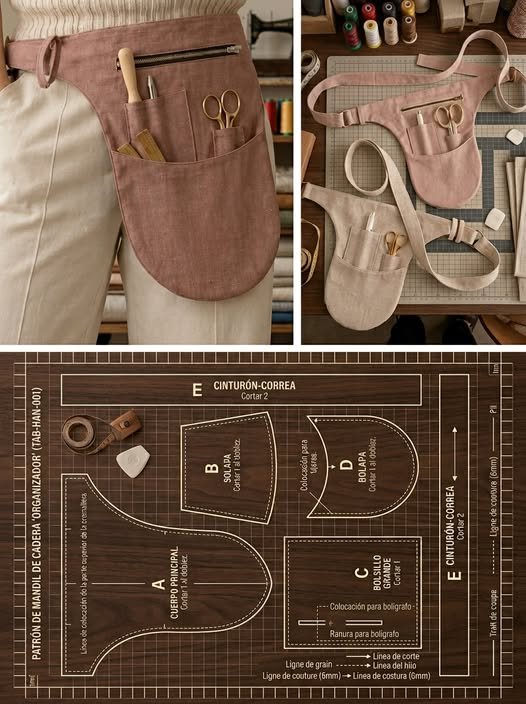
1. Selecting the Perfect Materials and Essential Tools
Choosing the right fabric is the foundational step in creating a long-lasting Marsupial Belt Bag. For the exterior, you want something robust and weather-resistant, such as heavyweight canvas, cordura, or water-resistant nylon. These materials ensure your DIY belt bag maintains its structural integrity even when packed to its maximum capacity.
For the interior lining, a lighter but resilient fabric like ripstop nylon or cotton poplin works beautifully. Using a contrasting, bright color for the lining is a clever sewing hack because it makes it much easier to find small items floating at the bottom of your bag. Do not skimp on interfacing; a mid-weight fusible fleece gives the bag that professional, store-bought structure.
Hardware selection is just as vital as fabric choice for a premium finish. You will need a high-quality molded plastic zipper or a sleek metal zipper, depending on the aesthetic you prefer. Additionally, secure a durable side-release buckle and an adjustable slider that matches the width of your webbing strap.
Speaking of straps, polypropylene webbing or heavy-duty cotton webbing is ideal for the belt component. Ensure you purchase enough length to allow the bag to expand comfortably over winter coats if you plan to wear it as a crossbody pack. Standard widths like 1 inch or 1.5 inches are generally the easiest to work with.
Your tool kit should include standard sewing notions but with a few heavy-duty upgrades. A denim needle or heavy-duty sewing machine needle (size 90/14 or 100/16) is essential for penetrating multiple layers of thick fabric. Don’t forget high-quality polyester thread, which offers superior strength and stretch resistance compared to standard cotton thread.
Finally, gather your marking tools, sharp fabric shears, and a wealth of sewing clips instead of traditional pins. Standard pins can easily bend or leave permanent holes in water-resistant fabrics, making clips the superior choice for this Marsupial Belt Bag project. Having everything organized beforehand sets you up for a smooth, frustration-free crafting experience.
2. Cutting Your Fabric Patterns and Preparing the Pieces
Before making your first cut, it is highly recommended to create a reusable paper template for your Marsupial Belt Bag. Accurate cutting is the secret weapon of high-quality bag making, as even a minor deviation can cause the zippered panels to misalign later. Take your time to measure twice and cut once.
Lay your exterior fabric flat, ensuring there are no wrinkles, and pin your pattern pieces along the grainline. You will need a front panel, a back panel, a top gusset for the zipper, and a bottom gusset to establish the bag’s depth. Carefully cut through the outer fabric layers using sharp shears or a rotary cutter.
Repeat the exact same cutting process for your chosen interior lining fabric. If your design includes an interior slip pocket or a secret zippered compartment, cut those extra fabric pieces now. Organization during this preparation phase will make the assembly process feel like a breeze.
Next, cut your fusible interfacing using the main exterior pattern pieces, but trim about a quarter-inch off the edges. This clever technique reduces bulk in your seam allowances, making it much easier for your domestic sewing machine to stitch through the dense corners later.
Apply the interfacing to the wrong side of your exterior fabric pieces using a hot iron. Follow the manufacturer’s instructions carefully, applying firm, even pressure rather than sliding the iron around. This step transforms flimsy fabric into a sturdy, professional-grade material ready for heavy wear.
The last part of preparation involves cutting your webbing strap into two pieces: a short side for the female end of the buckle and a longer side for the adjustable male end. Use a lighter to gently singe the raw edges of your synthetic webbing to prevent fraying over time, completing your prep work.
3. Assembling the Zipper and Sewing the Main Body
The heart of this Marsupial Belt Bag – Tutorial lies in mastering the zipper installation. Sandwich your zipper between the right side of the exterior top gusset and the right side of the lining top gusset. Use a dedicated zipper foot on your sewing machine to stitch close to the zipper teeth.
Once stitched, flip the fabric panels back so their wrong sides are facing each other, exposing the zipper beautifully. Topstitch along the edge of the fabric to keep the lining from getting caught in the zipper teeth during daily use. Repeat this exact method for the opposite side of the zipper tape.
Now it is time to attach the zipper assembly to the bottom gusset, creating a complete fabric loop. Align the short ends of the gussets, pin them securely, and stitch. This loop determines the overall depth and shape of your handmade pouch, so ensure your seams are perfectly straight.
Before moving forward, bast the prepared webbing straps to the outer edges of the back panel. Position them slightly upward if you want the bag to hug your torso snugly when worn as a crossbody sling. Double-stitch over these strap attachment points to provide extra reinforcement against daily pulling.
Open your main zipper at least halfway; this is a critical step, as it allows you to turn the bag right-side out once it is completely sewn. Align the main fabric loop with the front and back panels, matching up the center registration marks. Use your sewing clips generously around the curves to prevent fabric shifting.
Stitch slowly around the entire perimeter of the bag, using a standard half-inch seam allowance. When navigating the tight curves, leave your needle down, lift your presser foot, and pivot the fabric slightly to avoid unsightly puckers. This patience results in a beautifully curved ergonomic belt bag.
4. Finishing the Internal Seams and Attaching Hardware
With the structural sewing complete, it is time to address the raw internal edges of your Marsupial Belt Bag. Because bags experience a lot of friction inside, leaving raw edges exposed will cause rapid fraying. The most professional method to fix this is applying bias binding tape over the raw seams.
Wrap the bias tape cleanly around the exposed internal raw edges, clipping it tightly into place. Sew carefully through all layers, enclosing the raw fabric edges completely inside the binding. This step gives the inside of your DIY fanny pack a clean, high-end look rivaling commercial brands.
Once the binding is securely attached, reach through the open zipper that you cleverly left undone in the previous step. Gently push the corners out, turning the entire bag right-side out. Use a blunt tool, like a wooden chopstick, to carefully define the rounded curves of your new utility bag.
Give the completed bag a thorough press with your iron, paying special attention to the seams to make them lay flat and crisp. Avoid touching the plastic zipper or synthetic webbing directly with a hot iron to prevent accidental melting. Your handcrafted accessory is now fully formed and structural.
Next, thread the raw end of your long webbing strap through the adjustable slider, then through the male end of the side-release buckle, and back through the slider. Fold the raw edge over twice to conceal it, and sew a secure rectangle with an “X” inside. This box-X stitch provides ultimate strength.
Finally, take the short webbing piece on the other side of the bag, slide it through the female end of the buckle, fold, and secure it with another heavy-duty reinforcement stitch. Give the straps a firm tug to ensure everything is locked tight, and celebrate your finished masterpiece.
FAQ
Is this Marsupial Belt Bag project suitable for absolute beginners?
Yes, this project is highly accessible for adventurous beginners. While sewing curves and installing zippers requires some patience, the step-by-step nature of bag making breaks down the process into manageable parts. Taking your time during the cutting and clipping phases ensures a successful outcome.
What is the best fabric to use for a water-resistant belt bag?
For excellent weather resistance, 500D Cordura nylon, waxed canvas, or heavy-duty ripstop nylon are the top choices. These fabrics prevent moisture from penetrating the bag, keeping your phone, wallet, and keys safe during outdoor activities or unexpected rain showers.
Can I sew this bag on a standard domestic sewing machine?
Absolutely. You do not need an industrial machine for this tutorial, provided you use the correct needle. Upgrading to a sharp denim or heavy-duty needle size 90/14 allows a domestic machine to glide through multiple layers of canvas, interfacing, and webbing without skipping stitches.
How long does it typically take to complete this sewing tutorial?
For most intermediate sewists, the entire process takes between two to three hours from cutting the fabric to the final press. Beginners may want to set aside an afternoon to complete the project without feeling rushed, especially when learning how to bind the internal seams.
How can I clean my finished Marsupial Belt Bag?
Cleaning depends entirely on your choice of exterior fabric. If you used synthetic nylon or standard cotton canvas, the bag can be hand-washed in cool water with a mild detergent and air-dried. Avoid machine washing if you used waxed canvas, as it will strip the water-resistant coating.
Conclusion
Creating your own Marsupial Belt Bag through this detailed Tutorial is an incredibly rewarding journey that bridges the gap between fashion and functional craftsmanship.
Throughout this guide, you have learned how to select durable materials, prepare your pattern pieces accurately, install a secure zipper, and finish internal seams like a professional. The result is a versatile, hands-free custom waist pack tailored to your exact style preferences and built to endure the rigors of daily wear. Bag making is a fantastic skill that opens up endless creative doors for future sewing ventures.