
Fall is just around the corner, and nothing captures the cozy essence of the season quite like a beautiful, handmade Pumpkin Quilt Block. Whether you are planning a massive autumn-themed quilt or just want to add a touch of festive warmth to your home with a few potholders, learning this specific Pumpkin Quilt Block – Tutorial is the perfect way to welcome the crisp air and changing leaves. Quilting during the harvest season brings a unique kind of joy, combining rich, earthy tones with the soothing rhythm of the sewing machine.
If you have been searching for a fun, scrap-friendly project that looks intricate but comes together quickly, this Pumpkin Quilt Block – Tutorial is exactly what you need. Pumpkins are a staple of fall decor, and rendering them in fabric allows you to play with beautiful shades of orange, terracotta, deep rust, and contrasting greens or browns for the stems. The beauty of this block lies in its versatility, as it works wonderfully for beginners who want to practice basic piecing techniques, as well as experienced quilters looking for a relaxing weekend project.
In this comprehensive guide, we will walk through every single step required to create a flawless fabric pumpkin, ensuring your points match perfectly and your seams lay flat. We will cover the essential materials, precise cutting dimensions, step-by-step piecing instructions, and creative ways to incorporate your finished blocks into larger projects. Grab your rotary cutter, pick out your favorite autumn fabrics, and let’s dive into this ultimate Pumpkin Quilt Block – Tutorial to elevate your seasonal crafting game.
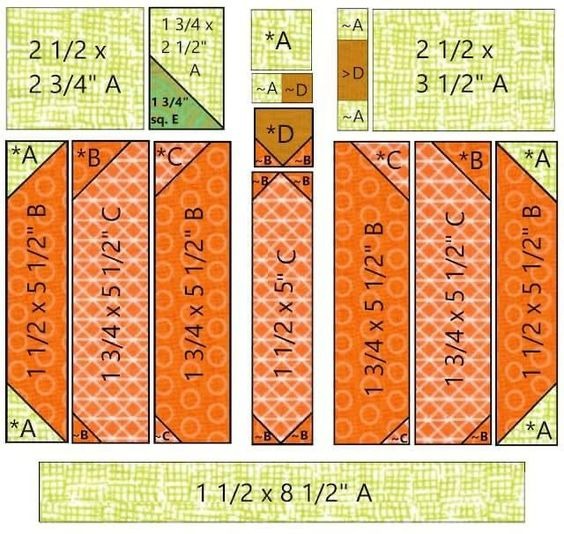
1. Gathering Your Materials and Preparing the Fabric
Before cutting into your favorite fabrics, it is crucial to gather all the necessary tools to make your sewing process smooth and enjoyable. For this traditional autumn project, you will need high-quality 100% cotton quilting fabric in various shades of orange for the main body, green or brown for the stem, and a neutral background fabric like cream, white, or light gray to make your design pop.
Having the right rulers and cutting tools on hand will save you time and prevent fabric waste throughout this process. A reliable rotary cutter, a self-healing cutting mat, and a clear acrylic quilting ruler are essential for achieving the sharp, straight edges required for precise piecing.
We highly recommend pressing all your fabric choices with a hot iron before making a single cut. Wrinkles can distort your measurements significantly, leading to mismatched edges later on, so taking a few minutes to press your fabric flat ensures absolute accuracy.
If you are using deeply saturated orange or red fabrics, consider pre-washing them or using a color catcher sheet in your wash cycle. Darker autumn dyes can sometimes bleed into lighter background fabrics, so taking this preventative step protects your hard work from accidental staining.
Organization is another key factor when managing multiple small fabric pieces for your seasonal quilt blocks. Setting up a small tray or labeling your cut squares according to their placement will keep you from getting confused as we move into the assembly phase.
Lastly, make sure your sewing machine is fitted with a fresh 80/12 universal or quilting needle and threaded with a neutral cotton thread. A clean machine and a sharp needle will produce crisp, flat seams, which are the secret foundation of any beautiful Pumpkin Quilt Block.
2. Accurate Cutting Instructions for Perfect Points
Precision cutting is the secret ingredient to ensuring your finished block measures up perfectly and aligns easily with other blocks in your quilt layout. To create a standard 12-inch finished block, you will need to cut a specific combination of rectangles and squares from your chosen fabrics.
From your main orange fabric, you will need to cut three large rectangles that will form the vertical sections of your pumpkin body, usually measuring 4.5 inches by 8.5 inches each. Alternatively, you can use a single large square if you prefer a seamless look, but the three-panel method adds wonderful depth and a traditional look.
For the background accents, cut four 2.5-inch squares, which will be used for the snowballing technique to round out the bottom corners of your pumpkin. You will also need two 2.5-inch by 8.5-inch background rectangles to frame the sides of your pumpkin block, giving it breathing room.
The top stem area requires careful cutting to ensure the stem sits neatly right in the center of the design. Cut one 2.5-inch square from your brown or green stem fabric, and two 2.5-inch by 5.5-inch rectangles from your neutral background fabric to flank the stem on both sides.
If you want to add a cute little leaf to your pumpkin design, you can cut an additional 2.5-inch green square and use a half-square triangle method for the upper corner. For this basic tutorial, however, we will keep it simple with a clean, classic stem centered perfectly at the top.
Double-check every single piece against your ruler before moving away from your cutting mat to ensure no mistakes were made. It is always better to measure twice and cut once, as even a tiny quarter-inch error can throw off the alignment of your entire Pumpkin Quilt Block.
3. Step-by-Step Assembly of the Pumpkin Body
Now that your fabric pieces are cleanly cut and organized, it is time to head to the sewing machine and bring your design to life. We will start by assembling the main orange body of the pumpkin, using a standard quarter-inch seam allowance for all stitches.
Lay your three orange rectangles side by side vertically, and sew them together along their long edges to create one large, unified panel. Press the seams open or toward the darker fabric to reduce bulk, ensuring the front of your panel remains completely flat.
To give your pumpkin its signature round shape, we will use the easy corner-triangle method on the bottom two corners of the orange panel. Take two of your 2.5-inch background squares, draw a diagonal line on the back of each, and place them face down on the bottom corners of your orange panel.
Sew directly on the drawn diagonal lines, then trim away the excess corner fabric a quarter-inch outside of the seam line using your rotary cutter. Flip the remaining background triangles open and press them carefully to create beautifully rounded lower corners.
Repeat this exact same corner-triangle process on the top two corners of your orange panel using your remaining 2.5-inch background squares. This rounds out the top portion of the pumpkin body, creating a realistic silhouette that looks incredibly professional.
Finish the main body assembly by sewing your two long 2.5-inch by 8.5-inch background rectangles directly to the left and right sides of your pumpkin. Press these side seams outward, away from the pumpkin, and admire the completed lower section of your block.
4. Stitching the Stem and Completing the Block
With the main body of your pumpkin fully assembled, the final structural step is to create and attach the top stem section. Take your 2.5-inch green or brown stem square and place it between your two 2.5-inch by 5.5-inch background rectangles.
Sew the background rectangles to both sides of the stem square using a precise quarter-inch seam allowance, creating a long, continuous strip. Press these seams toward the darker stem fabric to ensure the piece stays rigid and properly aligned.
Lay your freshly sewn stem strip face down on top of your assembled pumpkin body section, ensuring the center stem lines up perfectly with the center panel of your pumpkin. Use a few sewing pins to lock the pieces into place so they don’t shift while you sew.
Stitch carefully along the entire top edge, joining the stem section to the main pumpkin body with a steady, even line. Remove your pins as you approach them to prevent needle breakage, keeping your fabric flat and unpuckered.
Take the completed block to your ironing board for one final, thorough press on both the front and the back sides. Pressing this final horizontal seam downward toward the pumpkin body will help the block lay perfectly flat and smooth.
Measure your finished Pumpkin Quilt Block to ensure it comes out to exactly 12.5 inches square, including the outer seam allowances. Congratulations, you have successfully created a gorgeous seasonal block that is ready to be incorporated into your next cozy fall masterpiece.
Frequently Asked Questions (FAQ)
What is the best fabric choice for a Pumpkin Quilt Block?
The absolute best choice is 100% quilting cotton because it holds its shape well, doesn’t slip while sewing, and comes in a massive variety of autumn colors. You can mix prints, solids, or batiks to give your pumpkin unique textures.
Can a beginner complete this Pumpkin Quilt Block – Tutorial successfully?
Yes, this project is highly beginner-friendly because it relies on basic straight lines and simple corner-triangle techniques. There are no complicated curved seams or difficult angles to worry about.
How do I make sure my pumpkin corners look perfectly round?
To get clean, rounded corners, ensure your diagonal lines are drawn accurately on the back of your background squares and sew directly on those lines. Pressing carefully without pulling or stretching the fabric will keep the corners sharp.
What size is the finished block in this tutorial?
Following the measurements provided in this guide will give you a 12-inch finished block once it is sewn into a quilt, or a 12.5-inch unfinished block on its own.
Can I scale this pattern down to make smaller pumpkin blocks?
You can easily scale the measurements down by reducing the sizes of your rectangles and squares proportionally. Smaller blocks are fantastic for mini quilts, table runners, or festive mug rugs.
How do I prevent my orange fabrics from bleeding into the white background?
Using a color corrector sheets or pre-washing your vibrant orange fabrics before cutting will remove any excess commercial dye, keeping your light background crisp and clean.
Conclusion
In this Pumpkin Quilt Block – Tutorial, we have covered every single detail necessary to create a beautiful, festive block for your autumn home decor. From selecting your rich orange and earthy green fabrics to cutting precise shapes and sewing them together with perfect quarter-inch seams, you now possess the skills to build a stunning harvest-themed project. This block design is an absolute classic, offering a wonderful blend of simple techniques that yield incredibly rewarding and professional-looking results.
Whether you decide to make a single block for a charming autumn throw pillow or chain-piece dozens of them to create a cozy, full-sized blanket, the possibilities are endless. Quilting is a wonderful way to express creativity, celebrate the changing seasons, and make lasting keepsakes for your loved ones.