
Crafting a Fabric Box – Tutorial project is one of the most rewarding ways to organize your living space while practicing sustainable crafting. By repurposing leftover scraps or using high-quality quilting cotton, you can create a sturdy, stylish storage solution that perfectly fits your aesthetic and functional needs. This guide will walk you through the essential steps to construct a beautiful box that adds a touch of handmade charm to any room.
Whether you are a seasoned quilter or a beginner looking for an easy sewing project, this Fabric Box – Tutorial is designed to be accessible and highly customizable. We will focus on structural integrity, ensuring that your storage containers hold their shape through daily use. Organizing your craft room, office, or closet has never been more satisfying than when you utilize custom-made items that reflect your personal style.
Throughout this Fabric Box – Tutorial, you will learn the importance of choosing the right interfacing to provide stability to your fabric. We will also cover precise cutting techniques and assembly methods that minimize bulk, leading to professional-looking results. Get your sewing machine ready, gather your favorite fabrics, and let’s turn those beautiful textiles into functional pieces of art.
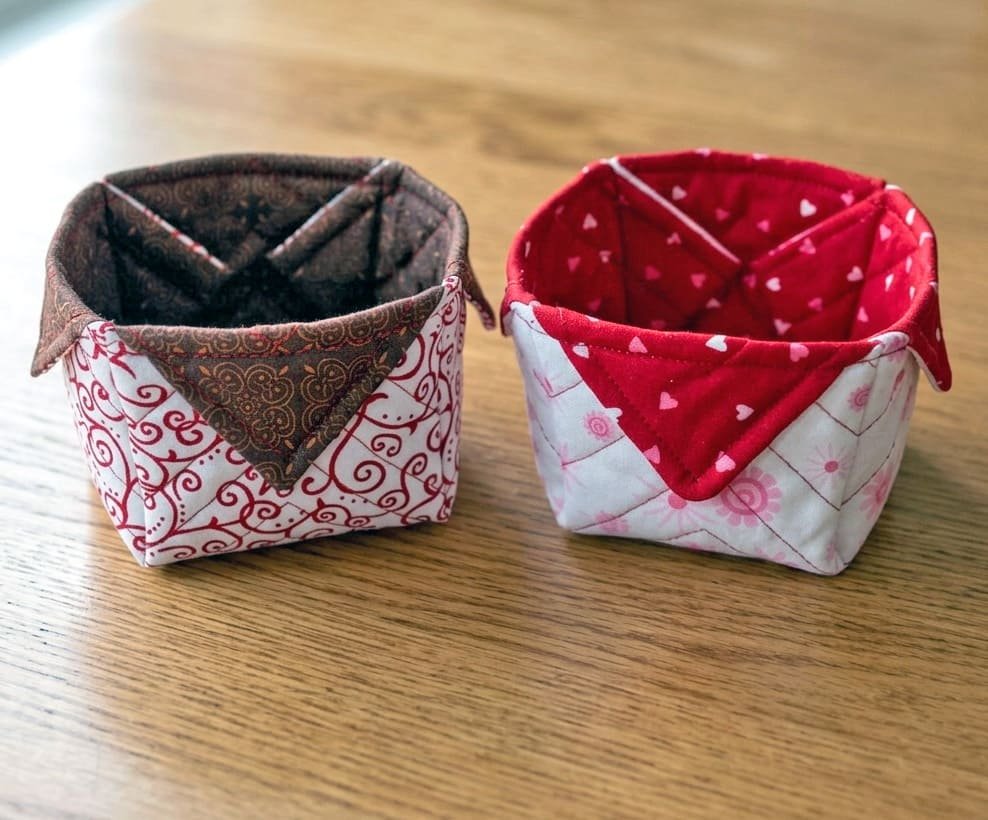
1. Choosing Your Materials and Preparing the Fabric
To begin your Fabric Box – Tutorial, the first step is selecting the right materials. High-quality quilting cotton is ideal because it is easy to work with and comes in an endless variety of prints. Avoid fabrics that are too stretchy, as they can make it difficult to maintain the structural integrity of your box.
You will also need a reliable fusible interfacing. This is the secret ingredient that gives your box its professional structure. Choose a heavyweight iron-on interfacing if you want a rigid container, or a medium-weight option if you prefer something with a bit more flexibility.
Before cutting, ensure your fabric is pressed flat. Wrinkles in the fabric can lead to uneven seams, which will affect the final shape of the box. Using a rotary cutter and a transparent quilting ruler will provide the precision needed for square, uniform pieces.
Consider the intended use of the container when picking your color palette. If you are making a set for storage, choosing complementary colors or prints can create a cohesive, decorative look. Do not be afraid to mix solids with patterned fabrics to add visual interest.
Once your pieces are cut, apply the interfacing to the wrong side of your exterior fabric panels according to the manufacturer’s instructions. This step is crucial for the Fabric Box – Tutorial because the bond between the fabric and the stabilizer must be strong to ensure longevity.
Finally, organize your cut panels by their function: exterior sides, interior lining, and the base. Having your pieces prepped and ready for assembly will make the construction process much smoother. Keeping your workstation tidy at this stage helps you focus entirely on the sewing steps ahead.
2. Assembling the Box Structure and Sides
With your fabric pieces prepared, you are ready to start sewing. The Fabric Box – Tutorial focuses on creating boxy, clean corners. Start by stitching the exterior side panels together to form a long rectangle, being careful to maintain a consistent seam allowance, usually 1/4 inch for small containers.
Next, you will attach the base to the exterior walls. Pin the sides to the base, aligning the corners carefully. At the corners, stop your sewing exactly the distance of your seam allowance from the edge, backstitch, and pivot to turn the corner smoothly.
Repeat the same process with your interior lining fabric. To reduce bulk at the bottom, consider trimming the seam allowances slightly or grading them once you have completed the seams. A clean, flat seam at the base is essential for a stable Fabric Box.
After the exterior and interior units are sewn, you will have two box-like shapes. The next step is to place the interior lining inside the exterior, wrong sides together. Ensure the corners are pushed out firmly so that the interior fits snugly within the exterior frame.
Pin the top edges together to hold them in place. You might want to use wonder clips instead of pins here, as they are easier to handle with thicker layers of fabric and interfacing. This is a critical point in the Fabric Box – Tutorial to ensure the box doesn’t look lopsided.
Finish the top edge with a neat topstitch. You can leave the top edge raw and fold it inward, or add a decorative binding. A well-executed topstitch not only keeps the layers secure but also adds a polished, professional detail to your finished storage box.
3. Adding Reinforcement and Finishing Details
Structural integrity is what separates a floppy pouch from a true Fabric Box. If you find that the sides still need extra support, you can insert a rigid cardboard or plastic base insert between the exterior and interior lining before final assembly.
Adding decorative elements like fabric handles or ribbon tabs can make your box more functional and visually appealing. If you choose to add handles, they should be securely stitched into the side seams before you join the interior to the exterior.
Pay close attention to your thread choice. Using a high-quality thread that matches your fabric will make your stitches look invisible, while a contrasting thread can be used as a deliberate design feature. Your Fabric Box – Tutorial result should be clean and sturdy.
When finalizing the assembly, take a moment to press the entire box again. A good steam press can help settle the seams and ensure the corners are crisp and square. This final pressing stage makes a massive difference in the overall look.
For those who enjoy upcycling, this is the perfect time to add labels or pockets to the exterior. Using denim scraps or remnants from old projects is an excellent way to personalize your storage while keeping your craft room eco-friendly and organized.
Always inspect your work for loose threads or skipped stitches before calling the project finished. Small details like trimming threads and ensuring even topstitching ensure that your Fabric Box looks like it came from a boutique store rather than being a handmade project.
4. Tips for Successful Organization and Maintenance
Now that your box is complete, proper maintenance is key to keeping it looking new. Since most of these boxes are made from cotton, they can collect dust. Use a gentle lint roller to keep the surfaces clean without needing to wash them frequently.
If you made your Fabric Box for kitchen or bathroom storage, you might want to treat the exterior with a fabric protectant spray. This will help repel moisture and light stains, ensuring your hard work lasts as long as possible.
When not in use, these boxes are designed to be durable, but they can be spot-cleaned if necessary. Avoid submerging them in water, as this can weaken the internal interfacing and cause the shape to distort over time.
Think about how you can use these boxes to maximize storage. They are perfect for nesting, meaning you can create different sizes in your next Fabric Box – Tutorial session to fit inside each other, saving space when they are empty.
Share your creations on social media! Many crafters enjoy seeing how others utilize their handmade storage. Using your own unique fabric choices makes every box one-of-a-kind, turning a simple storage item into a statement piece.
Finally, keep a record of your measurements. Once you have perfected a size that works for your shelf, you can easily replicate it. This makes future projects much faster, allowing you to build an entire organizational system for your home over time.
Frequently Asked Questions (FAQ)
Can I wash my fabric box?
It is generally recommended to spot-clean your fabric box rather than machine-washing it, as water can weaken the adhesive on the fusible interfacing and distort the structure.
What is the best weight of interfacing to use?
For most storage boxes, a heavyweight fusible interfacing provides the best structure. If you are making a smaller box, medium-weight might be sufficient to keep the shape without being too bulky.
Do I need a special sewing machine foot?
A standard universal presser foot is usually fine, but a walking foot can be very helpful when sewing through multiple layers of fabric and interfacing to ensure even feeding.
Can I use recycled fabric for this project?
Absolutely! Using upcycled denim or old shirts is a fantastic way to practice sustainable crafting. Just ensure the fabric is stable and not overly stretchy.
How do I make the corners look crisp?
The key to crisp corners in a Fabric Box – Tutorial is to stop stitching precisely at the corner point, backstitch, and use a turning tool like a bamboo pointer to push the corners out fully from the inside.
Conclusion
Creating your own storage solutions through this Fabric Box – Tutorial is a wonderful way to combine practical organization with creative expression. Throughout this article, we covered the essential steps of material selection, structural assembly, and the finishing touches that ensure your project is both beautiful and functional.
By following these professional techniques, you now have the skills to create custom boxes that perfectly fit your home’s storage needs. We hope you feel confident in your ability to master this craft and experiment with different fabrics and sizes. We would love to hear about your experience; please leave your honest opinion and any suggestions for future tutorials in the comments section below!