
Animal-shaped Wall Pocket Organizers – Tutorial is the ultimate guide you need to transform your messy spaces into delightful, organized havens. Keeping a home tidy can sometimes feel like an endless battle, especially when you are dealing with smaller items like keys, stationery, or children’s toys that seem to scatter everywhere. Traditional storage boxes are great, but they often take up precious floor or desk space, leaving you with less room to actually enjoy your living areas.
That is exactly where the charm of creative storage solutions comes into play, blending functionality with a touch of whimsical home decor. Wall storage has long been a favorite trick for interior designers to maximize space, but adding a fun, creature-themed twist takes it to a whole new level. By utilizing your vertical space with a cute design, you can keep your daily essentials within arm’s reach while adding a unique personality to your walls.
In this comprehensive guide, we are going to walk you through a step-by-step process to create your very own DIY fabric wall pockets. Whether you are a seasoned crafting expert or a complete beginner looking for a fun weekend project, this project is highly adaptable, budget-friendly, and incredibly rewarding. Grab your materials, unleash your inner artist, and let’s dive straight into how you can craft these beautiful storage pieces from scratch.
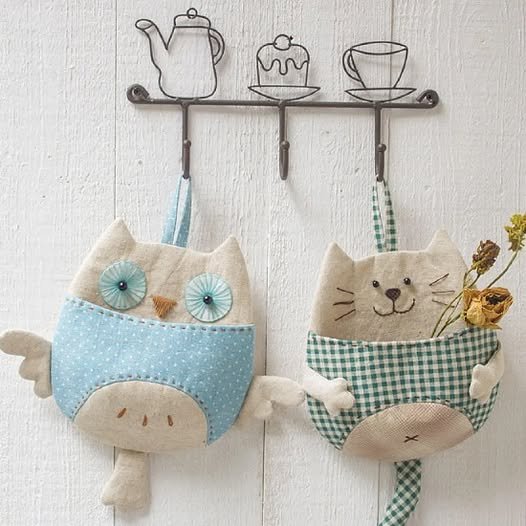
1. Choosing the Right Materials for Your Storage Project
When planning your crafting journey, selecting the best textiles is the foundational step that ensures your final piece looks professional and lasts for years. You want fabrics that hold their shape well, especially when holding heavier items like scissors, phones, or thick notebooks.
Heavy-weight cotton canvas, sturdy denim, and stiff craft felt are the absolute best choices for the backing and the main pockets. These materials provide the necessary structural integrity, preventing your whimsical storage units from sagging or stretching out of shape over time.
For the decorative elements, such as the animal ears, eyes, and noses, you can easily use smaller scraps of colorful felt or cotton prints. This is an excellent opportunity to recycle old clothes or leftover fabric from previous crafting projects, making it an eco-friendly endeavor.
Aside from the fabric, you will also need strong sewing threads, sharp fabric scissors, a water-soluble fabric marker, and reliable interfacing to stiffen up thinner materials. Having the right tools on hand makes the entire crafting process smoother, faster, and much more enjoyable.
To hang your finished masterpiece securely, you should consider sourcing a smooth wooden dowel, a sturdy curtain rod, or even a thick piece of rustic twine. The hanging mechanism needs to be strong enough to support both the weight of the fabric and the items you plan to store inside.
Taking the time to gather high-quality, durable materials ensures that your handmade organizer remains a beautiful and functional part of your home decor for a very long time. Once your supplies are organized on your workspace, you are officially ready to begin the construction process.
2. Designing and Cutting Your Custom Animal Shapes
The design phase is where your creativity truly shines, allowing you to choose which furry or feathered friend will grace your walls. Popular choices for kids’ rooms include sleepy bears, clever foxes, cute bunnies, or wise owls, but you can choose any creature that matches your style.
Start by sketching your main template on a large piece of poster board or sturdy brown paper before cutting into your actual fabric. The main backing piece will serve as the animal’s body, while the lower pockets can be shaped to form the face, snout, or paws.
When drawing your templates, always remember to add an extra half-inch around all the edges to account for the seam allowance during sewing. Skipping this crucial step might result in an organizer that is significantly smaller than you originally intended.
Carefully pin your paper templates onto your chosen fabrics, ensuring the grain of the fabric aligns correctly to prevent any unwanted warping later. Use your sharp fabric scissors to make clean, precise cuts along your marked lines for a professional finish.
Once the main body and pocket pieces are cut out, you can move on to cutting the smaller facial features and decorative accents. Cutting these out of contrasting colors will help the animal’s features pop, giving your organizer its distinct, lively character.
Lay all your cut fabric pieces out on a flat table to preview how the final composition will look before you do any permanent stitching. This layout step allows you to adjust the placement of eyes, ears, and pockets to achieve the perfect, balanced look.
3. Step-by-Step Sewing and Assembly Guide
With all your pieces cut and arranged, it is time to heat up your iron and power up your sewing machine for assembly. Start by prepping the pockets, folding the top edges down twice, pressing them flat with an iron, and sewing a clean topstitch to prevent fraying.
If you are adding complex animal facial details to the pocket surface, it is much easier to sew or glue them on now while the pocket is flat. You can use a tight zigzag stitch on your machine, or even hand-sew them with a beautiful blanket stitch for a cozy texture.
Next, align your finished pockets onto the front side of the main body piece, securing them tightly with pins or basting tape. Slow down your sewing machine as you stitch around the sides and bottom of the pockets, reinforcing the top corners with extra stitches for durability.
Once the pockets are securely attached, place the back lining fabric face down over your front piece, pinning the entire perimeter together. Sew around the edges, leaving a small four-inch opening at the bottom so you can easily turn the whole project right-side out.
Clip the excess fabric at the corners and curves, then pull the fabric through the opening to reveal your beautifully sewn animal shape. Use a dull pencil or a knitting needle to gently push out the corners, then iron the entire piece flat for a crisp appearance.
Finally, fold the top edge of your organizer toward the back to create a hollow channel or sleeve that is wide enough for your wooden dowel. Stitch across the bottom of this fold, slide your dowel through, tie your hanging twine to both ends, and your piece is ready.
4. Creative Ways to Use and Style Your New Organizers
Now that your crafting project is complete, it is time to find the perfect spot in your home to display your stunning handiwork. These versatile storage units look absolutely incredible in children’s bedrooms, nurseries, busy home offices, hallways, or even cozy reading corners.
In a child’s nursery, you can hang a friendly bear or deer pocket near the changing table to keep diapers, lotions, and wet wipes organized. The playful design keeps the space looking organized while turning mundane baby supplies into a cute design feature.
For a productive home office or study area, an owl or fox pocket organizer can hold your pens, highlighters, scissors, and small notebooks. Clearing these items off your desk surface frees up valuable workspace, helping you maintain a clear mind and better focus.
You can also create a series of these organizers in your entryway, assigning a different animal to each family member for their personal items. This is a brilliant way to ensure that keys, sunglasses, wallets, and outgoing mail never get lost in the daily rush.
Styling these organizers is all about balance, so try not to overstuff the pockets to the point where the animal shape becomes distorted. Mixing functional items with a few lightweight decorative pieces, like a small faux plant, can create an eye-catching wall display.
Ultimately, these handmade fabric pieces prove that organizing your home does not have to involve boring plastic bins or sterile storage boxes. By infusing your personal style and creativity into your storage, you create a warm, inviting home environment that reflects who you are.
FAQ
What are the best fabrics to use for an Animal-shaped Wall Pocket Organizers – Tutorial?
The absolute best fabrics are heavy-weight, non-stretchy materials like cotton canvas, duck cloth, denim, and thick wool or polyester felt. These textiles provide the structure needed to prevent sagging when the pockets are full. For beginners, craft felt is highly recommended because its edges do not fray, eliminating the need for complex hemming.
Do I absolutely need a sewing machine to complete this project?
No, a sewing machine is not strictly mandatory, though it does speed up the process significantly and provides stronger seams. You can easily complete this entire tutorial using basic hand stitches like the backstitch for strength and the blanket stitch for decorative edges. Alternatively, for a completely no-sew version, you can use high-quality fabric glue or heavy-duty fusible bonding tape.
How do I clean and wash my fabric wall pocket organizer?
Cleaning depends entirely on the materials you chose during fabrication. If you used 100% cotton canvas or denim, you can remove the wooden dowel and hand wash the organizer in cool water with a mild detergent, then air dry flat. If you used craft felt or added glued-on details, it is best to spot clean the surface with a damp cloth to avoid shifting or shrinking the fabric.
How much weight can these handmade wall organizers realistically hold?
The weight capacity depends on the fabric strength, your stitching quality, and how the organizer is mounted to the wall. When constructed with heavy canvas and reinforced stitching, it can easily hold everyday items like smartphones, remotes, sunglasses, notebooks, and small toys. Avoid placing excessively heavy items like large hardback books or heavy metal tools inside, as this may stretch the fabric.
Can I customize the sizes of the pockets for specific items?
Yes, customization is one of the biggest benefits of a DIY project. Before cutting your fabric, measure the specific items you want to store, such as a particular tablet, a set of paintbrushes, or mail envelopes. Add at least one to two inches of wiggle room to those measurements so your items can slip in and out of the pockets smoothly without snagging.
Conclusion
In this tutorial, we explored the wonderful world of functional home crafts by learning how to design, cut, assemble, and style your own customized wall storage.
We discussed the importance of selecting sturdy fabrics like canvas and felt, creating balanced animal templates, and utilizing proper sewing techniques to ensure your organizer stands the test of time. By taking advantage of vertical wall space, you can successfully reduce clutter in any room while introducing a joyful, artistic element to your home decor.