
Welcome to this complete CROCHET BABY BOOTIE – Tutorial where you will learn how to create the most charming, comfortable, and adorable footwear for a little newborn. Handmade gifts always carry a unique sense of warmth and affection, making them vastly superior to mass-produced store items. If you have been searching for a detailed guide to master this rewarding craft, you are in the exact right place to build your skills.
Crocheting for infants is one of the most satisfying projects you can undertake because the results are fast, highly functional, and genuinely beautiful. Parents love receiving custom items that match specific nursery themes or outfits, which gives your work immense personal value. Throughout this structured guide, we will break down every movement, stitch, and selection criteria so you can follow along with absolute confidence.
Whether you are a seasoned crafter looking for a refreshing afternoon project or a determined beginner taking your first steps into garment creation, this resource is tailored for you. Our main goal is to ensure you finish this session with a flawless pair of tiny shoes and a deep understanding of the techniques involved. Grab your supplies, find a comfortable seat, and let us dive straight into the creative process together.
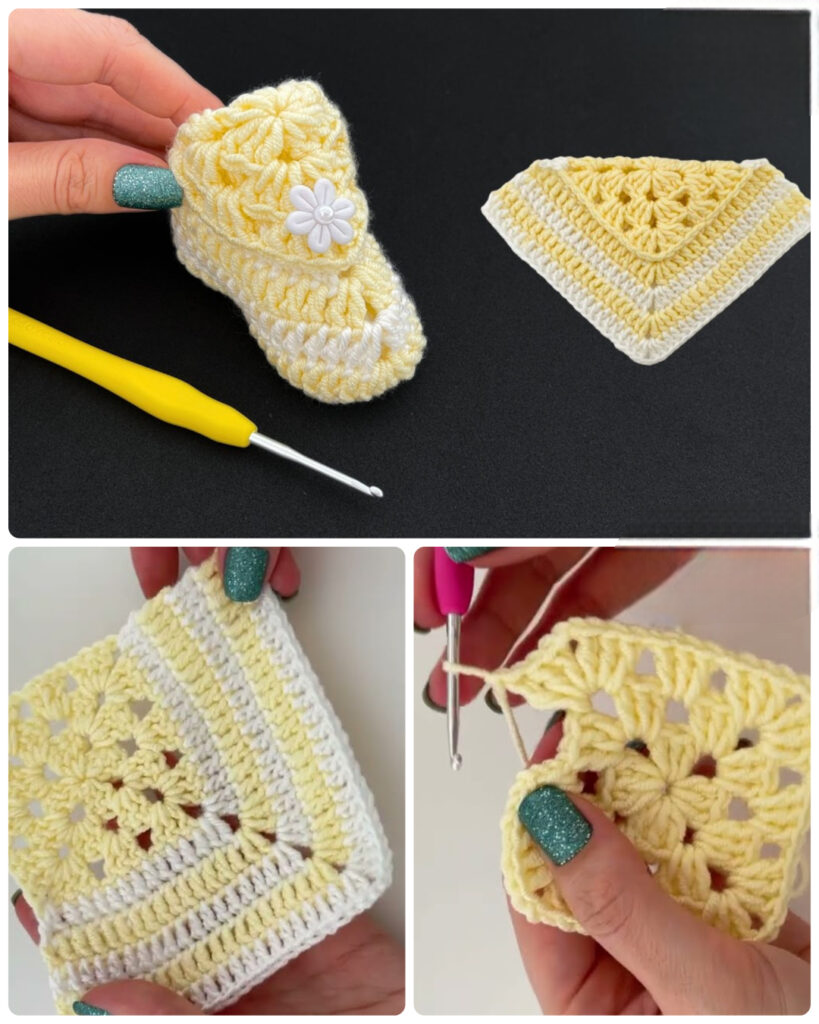
1. Understanding the Essentials of a Quality Crochet Baby Bootie – Tutorial
When you begin working on a comprehensive CROCHET BABY BOOTIE – Tutorial, understanding your raw materials is the absolute foundation of your long-term success. The delicate nature of an infant’s skin requires us to be highly selective about the yarn types we introduce to our crochet hooks. Picking the wrong texture can result in irritation, which defeats the purpose of crafting a cozy, protective layer for a growing child.
We highly recommend selecting a premium baby yarn weight that feels incredibly soft to the touch while maintaining excellent stitch definition during production. Acrylic blends, organic cotton, and superwash merino wool are fabulous choices because they offer an ideal balance of breathability, warmth, and structural integrity. Avoiding rough fibers ensures the baby remains happy and comfortable throughout the day while wearing your beautiful handmade creation.
Aside from softness, you must consider the washing and maintenance requirements of the textile you choose for the project. Babies are notoriously messy, meaning these tiny shoes will inevitably find their way into a washing machine multiple times. Opting for machine-washable yarns guarantees that the parents can easily clean the items without fearing shrinkage or fiber degradation.
The hook size you select plays an equally critical role in determining the final dimensions and overall drape of the footwear. A standard 4.0mm crochet hook (G/6) or a 3.5mm hook (E/4) is typically preferred for achieving the tight, secure stitches required for footwear. If your tension is naturally loose, dropping down a hook size will help you maintain a solid shape that does not sag.
Proper preparation also involves gathering essential notions like stitch markers, a sharp tapestry needle, and a reliable measuring tape before making your first slip knot. Having these tools within arm’s reach prevents interruptions, allowing you to maintain a steady rhythm while counting your delicate stitch rows. Organization is the secret weapon that transforms a potentially confusing project into a peaceful, therapeutic crafting session.
Ultimately, mastering the basics before making your first loop saves you hours of frustrating adjustments later down the road. Taking an extra five minutes to test your gauge and feel your yarn choice ensures that your final product looks professional. Let this initial phase build your confidence as we transition into the actual architectural layout of the shoe structure.
2. Mastering the Sole Construction with Precision
The foundation of any successful CROCHET BABY BOOTIE – Tutorial resides entirely within the design and execution of the sole layout. If the bottom of your shoe is uneven or improperly counted, the entire upper structure will lean awkwardly to one side. We begin this vital phase by creating a solid foundation chain that determines the base length of the foot.
To achieve a standard newborn size, you will generally start by chaining a precise number of links using your chosen soft baby yarn. Working completely around both sides of this initial chain allows you to form a perfect oval shape without creating unappealing holes. Incremental increases at the toe and heel areas ensure the piece lays perfectly flat on your workspace table.
Utilizing single crochet (sc) and half double crochet (hdc) stitches across the base provides the dense texture needed for durability. The heel requires a slightly narrower profile, whereas the toe area expands gently to mirror the natural anatomy of a human foot. Pay close attention to your stitch counts at the end of each round to avoid asymmetrical shapes.
Using a bright stitch marker to identify the exact beginning of each round is a non-negotiable step for beginners and experts alike. Because we work in continuous spirals or joined rounds, losing your place can quickly distort the intended oval proportions. A quick recount after completing each ring ensures you stay on the correct path before moving upward.
Once your sole reaches the required measurements, you will transition toward building the walls of the bootie by changing your stitch orientation. Working explicitly into the back loops only (BLO) of your previous round creates a gorgeous, crisp ridge that clearly defines the bottom edge. This simple technical adjustment allows the fabric to turn sharply upward at a clean ninety-degree angle.
Take a moment to admire the clean border this technique creates, as it mimics the authentic look of a manufactured sole shoe. A solid, flat base forms the sturdy anchor required to support the intricate shaping of the toe box in subsequent steps. With your foundation securely established, you are fully prepared to sculpt the main body of the shoe.
3. Shaping the Toe Box and Creating the Upper Body
This specific section of our CROCHET BABY BOOTIE – Tutorial is where the magical, recognizable shape of the footwear truly comes alive before your eyes. Up until this point, you have created a simple cup shape that wraps around the lower portions of the infant’s foot. Now, we use strategic decreases to pull the front fabric inward, creating a cozy pocket for the toes.
To achieve a smooth, professional slope along the front section, we rely heavily on the double crochet two together (dc2tog) technique. This decrease method seamlessly merges two independent stitches into a single top loop, reducing the overall circumference without leaving bulky gaps. Aligning these decreases perfectly with the center mark of the toe is vital for a balanced look.
As you work your way across the front curve, you will immediately notice the fabric bowing gracefully over your fingers to form the upper shell. Mirroring your stitches on the left and right sides maintains the equilibrium of the footwear, preventing it from twisting inward. Maintain a consistent, firm tension during these decrease rows to prevent loose loops from forming.
Once the front shaping is complete, the remaining open loops at the back and sides form the opening for the ankle. This opening must be wide enough to accommodate chubby infant feet while remaining snug enough to stay securely attached during movement. You can customize the height of this section depending on whether you prefer a low shoe or a taller boot style.
For a classic bootie look, you can continue working even rows of half double crochet around the ankle opening to build a sturdy cuff. This cuff can eventually be folded downward to create a timeless, traditional aesthetic that looks incredibly sharp in photographs. Alternatively, keeping it upright provides extra warmth and protection against chilly winter winds.
Remember to treat both shoes as an identical pair, executing the exact same stitch numbers and tension levels for each individual piece. It is often helpful to work on both booties simultaneously, alternating sections to guarantee they finish with identical dimensions. With the main structural body successfully completed, we can focus our efforts on adding beautiful custom finishes.
4. Customizing Edges and Adding Secure Closures
No premium CROCHET BABY BOOTIE – Tutorial would be complete without exploring the art of functional embellishments and secure closure mechanisms. While a standard slip-on shoe is undeniably cute, active infants can easily kick them off their feet within a matter of minutes. Adding a smart closure system ensures your hard work stays safely on the baby where it belongs.
An incredibly elegant solution is to crochet a simple matching chain string that can be woven directly between the ankle stitches. This creates an adjustable drawstring mechanism that parents can gently tie into a beautiful bow at the front of the ankle. You can finish the raw ends of these yarn strings with small, secure knots to prevent fraying over time.
If you prefer a cleaner, more modern look, you can easily integrate a sleek button flap along the outer edge of the cuff. This involves extending a short row of stitches across the side and creating a small buttonhole loop at the very tip. Select smooth, lightweight buttons that match your color scheme perfectly while ensuring they are sewn on with maximum security.
For the final finishing borders, applying a delicate crab stitch (reverse single crochet) around the top rim adds a stunning textured ripple. This unique edging technique provides a crisp, professional boundary line that elevates the entire visual appeal of your handmade garment. It prevents the top opening from stretching out out of shape after repeated uses throughout the months.
Once your final stitches are safely tied off, use your tapestry needle to meticulously weave in all remaining loose yarn ends. Hiding these tails deeply within the densest parts of the fabric guarantees they will not unravel during intensive wash cycles. A clean inside is just as important as a flawless exterior when crafting items for sensitive newborns.
Now that you have successfully completed the construction and detailing phases, you possess a gorgeous, functional piece of wearable art. Take a step back to appreciate the unique textures and uniform stitches you have created with your own hands. Let us address some of the most common questions crafters encounter when diving into this specific discipline.
FAQ – Frequently Asked Questions
How do I adjust the sizing for older babies?
To adjust the size within this CROCHET BABY BOOTIE – Tutorial, you can simply alter your initial foundation chain length or shift your hook size. Using a larger hook like a 4.5mm paired with thicker medium yarn will automatically yield a larger bootie. Always measure the baby’s foot from heel to toe whenever possible to ensure a truly customized fit.
What is the best way to prevent the booties from slipping off?
The most reliable method to keep them secure is incorporating an integrated drawstring chain or an elastic band into the ankle cuff. Weaving a soft ribbon through the stitches allows parents to adjust the snugness effortlessly according to the baby’s specific ankle size.
Can a total beginner complete this pattern successfully?
Yes, absolutely! While shaping the toe requires basic counting skills, the stitches themselves rely on core foundational movements like single and double crochets. Taking your time and using stitch markers at every single stage will guide you through the process without any confusion.
How many hours does it take to complete a full pair?
Most average crafters can easily complete a single pair of booties within two to three hours of focused work. This rapid completion rate makes them one of the most popular choices for last-minute baby shower gifts or weekend projects.
Is acrylic yarn safe to use for newborn items?
High-quality, premium acrylic yarn that is specifically labeled as “baby yarn” is completely safe, incredibly soft, and highly recommended. It offers great hypoallergenic properties and tolerates frequent machine washing much better than natural animal fibers.
Why does my second bootie look larger than the first one?
This common issue happens when your personal hand tension relaxes as you become more comfortable with the pattern layout during the second build. To prevent this, try to complete both items during the same sitting or use a ruler to check your gauge frequently.
Conclusion
In summary, this CROCHET BABY BOOTIE – Tutorial has provided you with all the architectural steps, stitch strategies, and material insights required to construct a gorgeous pair of custom baby shoes. From selecting the softest machine-washable fibers to shaping a precise flat sole and building a secure closure, you now hold the keys to creating a spectacular handmade gift. Crocheting is a continuous journey of patience and expression, and these tiny projects are the perfect canvas to refine your technique.
We would absolutely love to hear your sincere thoughts and personal experiences with this project design! Did you find the toe shaping easy to follow, or do you have a unique yarn choice that worked wonderfully for your build.