
Learning how to make baby sunbonnet designs is one of the most rewarding projects a crafter can take on, especially if you love vintage-inspired children’s clothing. This complete tutorial will walk you through the entire process, ensuring you can create a beautiful, functional, and adorable bonnet to protect a little one from the sun. Whether you are a seasoned sewist or a beginner looking for a meaningful weekend project, this classic accessory is a wonderful way to practice your skills while making something truly special.
When you dive into a how to make baby sunbonnet tutorial, you unlock a world of creative possibilities with fabric patterns, textures, and embellishments. These charming hats have stood the test of time, blending timeless fashion with essential sun protection for delicate baby skin. In the following sections, we will break down the materials, cutting instructions, assembly steps, and finishing techniques required to achieve professional results right from your home sewing room.
The beauty of following a detailed how to make baby sunbonnet tutorial lies in the customization options, allowing you to choose breathable cotton fabrics, sweet floral prints, or even upcycled materials for an eco-friendly twist. By the end of this guide, you will understand the anatomy of a classic bonnet, including the brim, the crown, and the secure fabric ties. Let’s gather our sewing supplies, prepare our workspace, and begin crafting a beautiful piece of handmade heritage.
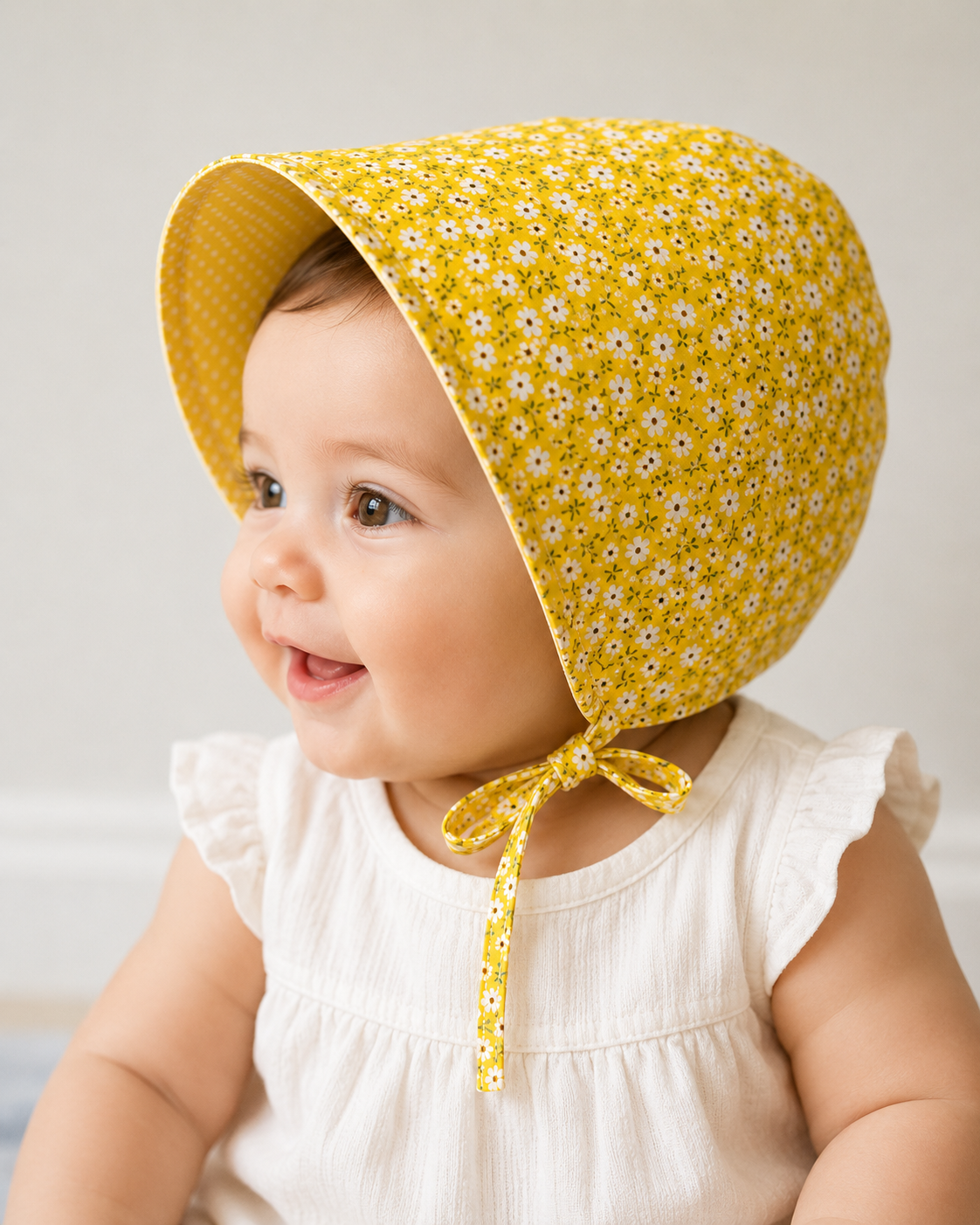
1. Essential Tools and Materials for Your Sewing Project
Before you begin learning how to make baby sunbonnet styles, gathering the right supplies is crucial for a smooth sewing experience. You will need lightweight, breathable fabrics such as 100% quilting cotton, linen, or soft gingham, which are gentle on a baby’s sensitive skin. Choosing high-quality textiles ensures the finished piece remains durable through multiple washes.
In addition to your main fabric, you will want a coordinating lining fabric to give the inside of the hat a clean, professional appearance. A lightweight fusible interfacing is also highly recommended to provide structure to the front brim, preventing it from flopping into the baby’s eyes. This simple addition makes a massive difference in the overall quality and functionality of your project.
For the tools, ensure you have a sharp pair of fabric shears, fine sewing pins or quilting clips, and a reliable measuring tape. A water-soluble fabric marker or tailor’s chalk will help you transfer pattern lines accurately onto your chosen material. Naturally, a sewing machine equipped with a universal needle and matching all-purpose thread will keep your stitches secure.
Don’t forget the materials needed for the bonnet ties, which can be made from the same fabric or replaced with soft cotton twill tape or satin ribbon. If you choose to make your own fabric straps, a loop turner or a simple safety pin will be incredibly helpful for turning the narrow tubes right side out. Having everything organized on your cutting table will save you time and keep your creative momentum going.
When selecting patterns and prints for this how to make baby sunbonnet tutorial, consider how the colors will complement summer outfits. Classic pastels, vibrant florals, and neutral earthy tones are all excellent choices that maximize the wearability of the finished hat. Once your fabric is selected, it is highly recommended to pre-wash and iron it to prevent any unwanted shrinkage later on.
Now that your workspace is fully prepared and your materials are neatly laid out, you are ready to transition into the pattern preparation phase. Taking the time to properly select and prepare your materials guarantees that the following construction steps will flow effortlessly. Let’s move forward and look at how to handle the pattern pieces to achieve the perfect fit.
2. Preparing the Pattern and Cutting the Fabric Pieces
The foundation of a successful how to make baby sunbonnet tutorial relies on accurate pattern preparation and precise fabric cutting. First, you will need a standard bonnet pattern, which typically consists of three main pieces: the brim, the main crown side panels, and the center back strip. Ensure you choose the correct size based on the baby’s current age or specific head measurements for the best fit.
Once you have your paper pattern ready, press your pre-washed fabric thoroughly with an iron to eliminate any wrinkles or folds. Lay the fabric out flat on your cutting mat, paying close attention to the grainline arrows indicated on the pattern pieces. Aligning these correctly prevents the finished hat from twisting out of shape after it is assembled and washed.
Pin the paper pattern securely to the fabric, or use heavy pattern weights if you prefer cutting with a rotary cutter for smoother curves. Carefully cut out your main outer fabric pieces, and then repeat the exact same process for your inner lining pieces. Take your time around the curved edges of the crown to ensure both layers match perfectly during assembly.
Next, apply your fusible interfacing to the wrong side of the brim pieces using a hot iron according to the manufacturer’s instructions. Interfacing adds the necessary stiffness to the brim so it can effectively shield the baby’s face from bright sunlight. This step is a secret used by professional boutique designers to give their handmade hats a crisp, polished look.
If you are creating custom fabric ties, cut two long strips of fabric measuring approximately two inches wide by fourteen inches long. These dimensions provide plenty of length to tie a secure, comfortable bow under the baby’s chin without being dangerously long. Mark any alignment notches or gather points from the pattern onto your fabric using your washable marker.
With all your pieces beautifully cut, stacked, and labeled, your preparation is complete, and the real sewing magic can finally begin. You now have a collection of precise fabric shapes ready to be transformed into a beautiful, functional heirloom accessory. Let’s heat up the sewing machine and dive into the step-by-step assembly process.
3. Step-by-Step Construction and Sewing Assembly
Now we reach the heart of our how to make baby sunbonnet tutorial, where we assemble the individual pieces into a beautiful 3D shape. Start by preparing the chin straps: fold each fabric strip in half lengthwise with right sides together, sew along the long edge and one short end, then turn right side out and press flat. Set these completed ties aside for a moment while we work on the main body.
To construct the outer hat, pin the center back strip to the curved side panels of the crown with the right sides facing each other. Sew slowly along the curve using the standard seam allowance specified by your pattern, gently guiding the fabric without pulling it. Repeat this exact assembly process for the lining pieces so you have two identical fabric caps.
Next, take your two brim pieces—one interfaced and one plain—and place them right sides together, pinning along the long outer curved edge. Stitch along this outer curve, then trim the seam allowance down or use pinking shears to help the curve lay perfectly flat when turned. Turn the brim right side out, push the seams out neatly, and press it flat with your iron.
To give the brim a truly professional finish, topstitch a series of parallel lines along the outer edge, spacing them about a quarter-inch apart. This design detail not only looks fantastic but also adds extra stability to the sun-shielding portion of the bonnet. Once topstitched, baste the raw edge of the completed brim to the front edge of your outer crown piece.
Before connecting the lining, pin the raw edges of your prepared chin straps to the bottom corners of the bonnet where the brim meets the crown. Make sure the long ends of the ties are tucked safely inside the center of the hat so they don’t get caught in the outer seams. This step secures the straps firmly into the structural foundation of the accessory.
Finally, place the lining cap over the outer cap with right sides together, sandwiching the brim and the ties completely inside the layers. Pin all the way around the raw bottom edges, leaving a small three-inch opening at the back of the neck for turning. Sew around the perimeter, turn the entire bonnet right side out through the opening, press beautifully, and slip-stitch the opening closed.
4. Creative Customization and Expert Sewing Tips
Mastering how to make baby sunbonnet designs allows you to explore endless creative adjustments to suit different styles and seasons. For a delightful vintage look, try adding a strip of delicate cotton lace or gathered ruffle trim into the seam of the brim during construction. This simple addition frames a baby’s face beautifully and elevates a basic utility item into a stunning heirloom piece.
Another popular modification is making the bonnet fully reversible by using two contrasting, high-quality prints for the outer fabric and the lining. If you choose this route, ensure your chin straps are made from a neutral color or matching fabric that coordinates beautifully with both sides. A reversible hat gives parents two adorable styling options in one convenient, space-saving accessory.
For hot summer days, maximizing airflow is essential to keep the little one comfortable and prevent overheating while outdoors. You can substitute heavy cottons with ultra-breathable linen blends or lightweight seersucker fabric, which naturally wicks moisture away. Always prioritize soft, natural fibers over synthetic polyesters when creating accessories that sit directly against tender baby skin.
When stitching small, curved items, reducing your machine’s stitch length slightly can help you achieve smoother, stronger curves that won’t puckered or pull apart. Pressing every single seam with a hot steam iron immediately after sewing is the ultimate trick to achieving a retail-quality finish. Never skip the ironing steps, as pressing molds the fabric fibers into their new structural shapes.
Safety is always the top priority when manufacturing clothing or accessories for infants and toddlers. Always ensure the chin straps are securely anchored into the main seams with reinforcement stitching, such as a small stitched square or backstitches. Advise parents to always supervise their children while wearing any item with ties, and remove the hat when the baby goes to sleep.
As you become more comfortable with this how to make baby sunbonnet tutorial, you can easily scale the pattern up or down to accommodate growing sizes. Handmade bonnets make spectacular gifts for baby showers, birthdays, and holidays, carrying a sentimental value that store-bought items simply cannot match. Keep practicing, experiment with playful colors, and enjoy the fulfilling journey of creating beautiful handmade garments.
Frequently Asked Questions (FAQ)
What is the best fabric choice for a baby sunbonnet?
The ideal choice is 100% quilting cotton, organic cotton, linen, or lightweight seersucker. These natural fibers are highly breathable, soft against sensitive skin, easy to wash, and provide excellent durability for outdoor wear.
How do I choose the correct size for a growing baby?
You should measure the circumference of the baby’s head just above the ears using a soft tape measure. Compare this measurement to your specific pattern’s sizing chart rather than relying solely on age ranges, as babies grow at very different rates.
Can I make this bonnet reversible for more versatility?
Yes, you can easily make it reversible by using two different coordinating fabrics for the outer shell and the lining. Just ensure that the seams are finished cleanly and that the chin straps complement both fabric choices perfectly.
Is it necessary to use fusible interfacing in the brim?
Using lightweight fusible interfacing is highly recommended because it gives the brim structural integrity. Without it, the fabric brim may flop down into the baby’s face, blocking their vision and reducing the functionality of the sun hat.
How should I wash and care for a handmade fabric bonnet?
It is best to machine wash the bonnet on a gentle, cold cycle inside a mesh laundry bag to protect the long ties from tangling. Machine dry on low heat or line dry, and press with a warm steam iron to restore its crisp, neat shape.
Conclusion
In this comprehensive how to make baby sunbonnet tutorial, we have covered everything from selecting the perfect breathable fabrics to cutting precise pieces and assembling them step-by-step.
By incorporating structured interfacing, sewing secure chin ties, and applying beautiful topstitching, you now possess the skills to create a beautiful, protective summer hat for the precious little ones in your life. This timeless project is not only an excellent way to sharpen your sewing precision but also yields a gorgeous, practical item built to last.