
If you have ever looked at your windows and felt they were missing a touch of elegance, learning how to make Roman shade – tutorial style is the perfect DIY project to transform your living space. Roman shades are a classic, timeless window treatment that combines the soft, luxurious look of drapery with the clean, structured functionality of a standard window blind. When you choose to craft your own window coverings, you gain complete control over the fabric choice, texture, and overall design, allowing you to match your interior decor perfectly without paying high custom retail prices.
Many people feel intimidated by home decor sewing projects, but breaking down the process makes it incredibly approachable for crafters of all skill levels. By understanding how to make Roman shade – tutorial guides like this one emphasize, you can create a professional-grade product using basic tools and straightforward sewing techniques. Whether you want to add a pop of color to a bright kitchen, create a cozy atmosphere in a nursery, or bring a polished, sophisticated look to your living room, mastering this project is a rewarding way to elevate your home.
In this comprehensive guide, we will walk you through every phase of the creation process, ensuring your final product operates smoothly and looks absolutely stunning. We will cover everything from selecting the right materials and calculating accurate measurements to assembling the internal structure and installing the completed shade. By following these structured steps and utilizing professional tips for a crisp finish, you will soon discover that learning how to make Roman shade – tutorial methods are not only budget-friendly but also an incredibly fulfilling creative endeavor.
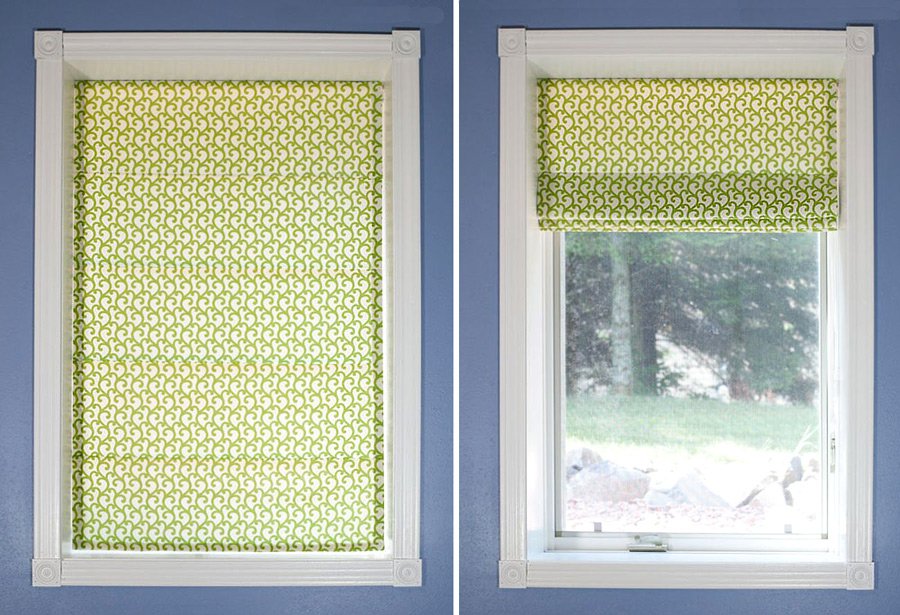
1. Choosing the Right Fabric and Tools for Your DIY Roman Shade
Selecting the ideal materials is the foundational step in learning how to make Roman shade – tutorial rules suggest. For the main face fabric, you want to choose a medium- to heavy-weight material that has enough structure to hold crisp, clean folds. Excellent options include decor-weight cotton, linen, canvas, or duck cloth, as these fabrics stack beautifully when the shade is raised. Avoid lightweight or overly stretchy fabrics, as they tend to sag over time and will not maintain the structured, tailored appearance that makes Roman shades so desirable.
In addition to your main fabric, you will need a high-quality lining material to give your shade body and protect it from sun damage. A standard white or cream cotton drapery lining works wonderfully for most rooms, providing a uniform look from the outside of your house. If you are crafting a shade for a bedroom or a media room where light control is essential, consider opting for a dedicated blackout lining fabric instead. This choice will effectively block out external light while adding extra insulation to your window.
Beyond the textiles, gathering the correct hardware and structural components is critical for a smooth assembly process. You will need a wooden headrail board, typically a standard 1×2 piece of lumber cut to the exact width of your window frame. To create the characteristic folds, you must gather small dowel rods, a supply of small plastic Roman shade rings, and a strong, durable lift cord. Having a reliable sewing machine, sharp fabric shears, a measuring tape, and a heavy-duty staple gun on hand will ensure your workspace is fully prepared.
Proper preparation of your workspace and materials will save you significant time and effort as you move forward. Before making a single cut, always pre-wash and iron your fabrics to account for any potential shrinkage and to remove stubborn wrinkles. Working on a large, flat surface like a clean dining table or a spacious cutting mat will help you maintain straight lines and accurate alignments. Taking these initial preparatory steps seriously sets the stage for a highly successful and professional-looking DIY project.
When thinking about safety, especially if you have children or pets in your home, it is vital to consider cord safety mechanisms. Traditional lift cords can pose a hazard, so incorporating modern safety devices like cord cleats or breakaway tassels is a smart decision. You can find these safety components online or at local craft supply stores, and they integrate seamlessly into the assembly process. Prioritizing these details from the very beginning guarantees that your finished window treatment is both beautiful and safe for everyone.
Ultimately, investing time in sourcing the perfect colors and patterns will ensure your finished project matches your unique personal style. Don’t be afraid to choose a bold, geometric print to create a statement window, or a neutral, textured linen for a modern, minimalist vibe. Because you are undertaking this project yourself, you have the creative freedom to design a completely custom piece. Once you have gathered all your premium materials and essential tools, you are fully equipped to move on to the precise measurements.
2. Measuring Your Window and Cutting Your Fabrics Accurately
The secret to a flawless window treatment lies entirely within precise measurements and careful calculations. Before you pick up your scissors, you must decide whether you want an inside mount or an outside mount. An inside mount sits cleanly within the window frame, offering a sleek look that showcases your window molding, while an outside mount hangs on the wall above the frame, which is ideal for blocking more light or hiding unappealing window trim. For an inside mount, measure the exact width and height of the inside of your frame in multiple spots to ensure accuracy.
Once you have your exact window dimensions, you need to add specific allowances for your seams, hems, and mounting headers. To calculate the fabric width for a standard inside mount, take your window width and add two inches to allow for a clean one-inch double fold hem on each side. For the fabric length, take your total window height and add approximately six inches to accommodate the top wrap around the wooden headrail and the bottom weighted pocket hem. Double-checking these mathematical calculations before cutting your premium fabric prevents costly mistakes.
When cutting your face fabric and lining fabric, consistency is key to ensuring the finished shade hangs completely straight without twisting. Use a carpenter’s square or a long clear quilting ruler to mark your cutting lines perfectly perpendicular to the fabric grain. Cut your face fabric according to your calculated dimensions, and then cut your lining fabric slightly narrower than the face fabric. Cutting the lining about one inch narrower overall allows the face fabric to wrap beautifully around the edges, concealing the lining from the side view.
Next, you must plan the spacing for your horizontal pleats, which create the signature folds when the shade is drawn upward. Typically, Roman shade folds are spaced anywhere from 8 to 11 inches apart, depending on the overall height of your window. To find the perfect spacing, divide your total shade height by an odd number of sections to ensure the folds stack neatly at the top. Mark these horizontal lines lightly on the backside of your lining fabric using a water-soluble fabric marker or tailor’s chalk.
Do not forget to plan for a bottom weight pocket, which is essential for keeping the shade taut and helping it drop smoothly when lowered. You can use a flat wooden slat, a plastic weight bar, or a thin metal rod placed inside the bottom hem pocket to provide this necessary downward tension. Mark the position for this bottom pocket clearly at the base of your lining fabric pattern. Ensuring that all your horizontal lines are perfectly parallel to one another is the most critical factor during this measurement phase.
Taking your time during this layout stage ensures that your final product functions flawlessly without any awkward bunching or uneven pulling. It is always best to measure twice and cut once, verifying that your fabric pieces are perfectly square and symmetrical. Once your fabric sections are cut, marked with precision, and ironed flat, you are ready to transition to the sewing machine to assemble the body of your custom window shade.
3. Sewing the Shade Body and Creating the Fold Pockets
Assembling the body of your shade begins by joining the face fabric and the lining fabric together into a cohesive panel. Place your face fabric on your work surface right side up, and then place your prepared lining fabric on top of it, right sides together, aligning the top edges. Sew along the two long sides using a standard half-inch seam allowance, leaving the top and bottom edges open for now. Once stitched, turn the entire fabric tube right side out, pressing the side edges flat so that the face fabric wraps slightly to the back.
With the main panels turned right side out, iron the edges thoroughly to create crisp, sharp borders along the sides of your shade. Now, it is time to create the horizontal channels that will house your internal dowel rods, which provide the structural rigidity for the pleats. There are a few methods to achieve this, but sewing narrow ribbon casings or creating small fabric folds directly into the lining are the most popular approaches. Align your casing ribbons or fold lines exactly over the horizontal marks you drew during the measurement phase.
Carefully stitch these horizontal casing channels across the back of the lining fabric, making sure your stitches only catch the lining and do not pierce through to the front face fabric. Keeping these stitches invisible from the front preserves the clean, high-end look of your custom drapery. Slide your thin wooden dowels or plastic rods into each of these completed horizontal channels. Cut the dowels slightly shorter than the width of the shade so they fit snugly inside without stretching or distorting the outer side seams.
After your structural dowels are securely in place, you can proceed to sew the bottom hem and create your weighted pocket. Fold the bottom edge of the fabric up according to your initial measurements, creating a clean pocket that will hold your heavy weight bar. Insert your flat wooden slat or metal weight rod into this pocket, and then stitch the ends of the pocket closed to keep the weight firmly secured. This added weight is what allows the shade to drop gracefully and resist moving from light indoor drafts.
Next, you will attach the small plastic Roman shade rings to the back of the lining along the horizontal dowel lines. These rings are what guide the lift cords, so their placement must be perfectly aligned vertically to ensure the shade raises evenly. Space the rings vertically in straight columns, typically placing them about 6 to 10 inches apart horizontally across the width of the shade, ensuring the outer columns are a few inches inward from the side edges. Hand-sew each ring securely to the dowel casing, ensuring the needle only catches the back lining.
With all the rings attached and the dowels safely tucked inside their pockets, your fabric panel is fully assembled and structured. Take a moment to step back and inspect the back of the shade, verifying that all the ring columns form perfectly straight vertical lines from top to bottom. Any misalignment here can cause the shade to pull unevenly or bind when you attempt to raise it. Once you are satisfied with the alignment, you are ready to mount the shade to the headrail and string the cords.
4. Mounting the Headrail and Stringing the Lift System
The final phase of creating your custom window treatment involves attaching the fabric panel to the wooden headrail and installing the cord lift system. Wrap the top raw edge of your fabric panel over your prepared 1×2 wooden board, making sure the shade hangs straight and true from the top. Use a heavy-duty staple gun to secure the fabric firmly to the top of the wood block, placing staples every two inches for a robust hold. If you want a removable option for easy cleaning, you can use heavy-duty hook-and-loop adhesive tape instead of staples.
Next, install small metal screw eyes into the underside of the wooden headrail board, aligning them precisely with the vertical columns of plastic rings on your fabric. You will also need to add one extra screw eye at the far side of the headrail, which will act as the single exit point where all your lift cords come together. This clever layout allows you to pull multiple cords simultaneously, raising the entire shade smoothly with a single unified motion. Ensure these screw eyes are twisted firmly into the wood to handle the weight of the shade.
To string the lift system, cut a length of durable lift cord for each vertical column of rings on your shade. Start at the very bottom ring of your first column, tying the cord securely to the plastic ring using a strong knot, and consider adding a drop of fabric glue for extra security. Thread the cord straight up through all the plastic rings in that specific column, and then pass it through the corresponding screw eye on the wooden headrail. Guide the cord along the underside of the headrail through the remaining screw eyes until it exits out the side.
Repeat this exact stringing process for each remaining column of rings on the back of your shade. When you are finished, you should have multiple individual cords exiting from the single screw eye on the side of your headrail. Gently pull all the cords together at the same time to test the mechanism, making sure the fabric folds stack up neatly and evenly. Adjust the tension on individual cords if you notice one side of the shade raising faster or slower than the other side.
Once the tension is perfectly balanced and the shade raises evenly, tie all the individual cords together in a secure knot just below the exit screw eye. You can slide a decorative cord pull or tassel over the combined knot to give it a polished, professional appearance. To mount the completed assembly inside your window frame, simply screw straight up through the wooden headrail board directly into the top of the window casing, ensuring you use appropriate screws for a secure hold.
To complete the installation safely, attach a metal cord cleat to the wall or window frame at a height that is well out of reach of children and household pets. Whenever you raise your gorgeous new shade, always wrap the excess cord securely around this cleat to maintain a neat appearance and ensure a safe home environment. Your DIY project is now officially complete, and you can step back to admire the incredible elegance and custom functionality you have successfully brought to your home windows.
Frequently Asked Questions (FAQ)
What is the best type of fabric to use for a DIY Roman shade?
The best choice is a medium- to heavy-weight home decor fabric such as cotton canvas, linen blends, or duck cloth. These fabrics possess the right amount of natural body and structure to hold crisp, clean folds when the shade is raised. Avoid flimsy, lightweight, or highly elastic materials, as they will sag and lose their shape quickly.
Can I make a Roman shade without a sewing machine?
Yes, you can create a no-sew version by utilizing heavy-duty iron-on fusible hem tape to secure the side seams and create the horizontal dowel pockets. While a sewn shade generally offers greater long-term durability and handles frequent use better, fusible tape is an excellent alternative for smaller windows or lightweight accent fabrics.
How do I clean my custom DIY Roman shades?
Cleaning depends heavily on the face fabric you selected. For regular maintenance, use the brush attachment on your vacuum cleaner to gently remove dust from the folds. If your shade requires deeper cleaning and you used staples to secure it to the headrail, spot cleaning with a damp cloth and mild detergent is recommended to avoid damaging the internal components.
How do I ensure my Roman shade raises evenly without bunching?
The key to smooth operation is absolute precision during the measuring and assembly phases. Your horizontal dowel channels must be perfectly parallel to one another, and your columns of plastic rings must align in exact vertical lines. If the shade pulls unevenly, check to see if your lift cords have equal tension when the shade is fully lowered.
Is it necessary to add a lining fabric to the back of the shade?
While not strictly mandatory, adding a lining fabric is highly recommended for professional results. A lining gives the window treatment extra body, protects your main face fabric from sun fading, and ensures a clean, uniform look from the exterior of your home. It also aids significantly in light control and room insulation.
Conclusion
In this comprehensive guide, we explored how to make Roman shade – tutorial steps designed to help you craft a stunning, custom window treatment from scratch.
We covered everything from selecting structural home decor fabrics and calculating precise cutting dimensions to constructing internal dowel pockets and installing a smooth cord lift system. By taking the time to measure accurately and align your hardware with care, you can achieve a sophisticated, tailored look that rivals expensive retail alternatives while perfectly matching your interior decor style.