
How To Sew A Caterpillar – Tutorial is the ultimate guide you need if you are looking for a fun, creative, and highly rewarding fabric project. Crafting a whimsical plush insect is one of the most delightful ways to dive into the world of sewing, whether you are a seasoned pro or a complete beginner looking to sharpen your skills. In this comprehensive step-by-step walkthrough, we will explore exactly how to transform simple fabric scraps into a vibrant, huggable companion that makes for a perfect gift or home decoration.
This specific caterpillar sewing guide is designed to maximize your creative freedom while keeping the actual assembly process straightforward and stress-free. Sewing three-dimensional toys can sometimes feel intimidating because of the curves and stuffing management, but breaking the project down into repetitive, manageable sections changes everything. By focusing on simple geometric shapes that join together seamlessly, you can master the basic mechanics of toy making without needing an advanced workshop setup.
Before diving into the actual stitches, it helps to understand why learning how to sew a caterpillar – tutorial style is so beneficial for your crafting journey. This project is a fantastic stash-buster, meaning you can utilize small remnants of leftover textiles, old denim, or colorful cotton prints that might otherwise go to waste. Throughout this article, we will cover materials, step-by-step assembly, expert stuffing techniques, and finishing details to ensure your finished plushie looks polished, durable, and completely professional.
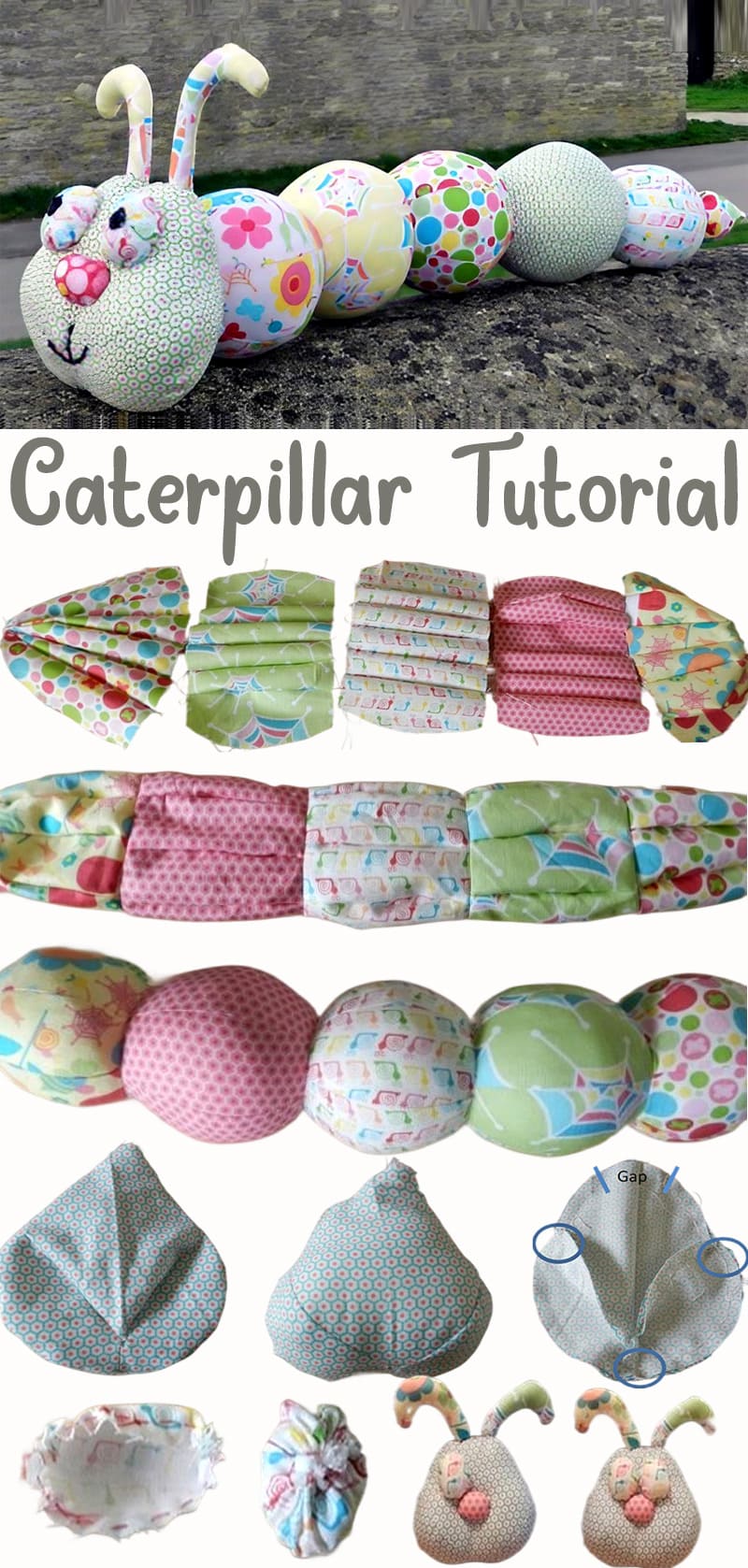
1. Gathering Materials and Preparing Your Fabric Workspace
Selecting the right textiles is the very first step in learning how to sew a caterpillar – tutorial style, as the texture of your fabric dictates the final look. Soft cotton prints, cozy flannels, plush fleece, or even upcycled denim work beautifully for creating the individual segments of your insect’s body. Mixing and matching different colors or patterns for each sphere gives your project a playful, custom aesthetic that stands out.
Once you have chosen your textiles, it is crucial to wash, dry, and iron them thoroughly before cutting any shapes out. Pre-shrinking your materials prevents the finished plush toy from warping or puckering later on when it inevitably needs to be cleaned. Ironing ensures that your fabric lies completely flat against your workspace, allowing for highly accurate pattern tracing and cutting.
For this project, you will need a few essential tools alongside your chosen fabric pieces to ensure smooth sailing from start to finish. Gather high-quality fabric shears, a water-soluble fabric marker, a pack of heavy-duty hand sewing needles, and strong polyester thread. You will also need an ample supply of premium polyester fiberfill stuffing to give your little creature its signature plump, bouncy shape.
Trimming your pattern pieces requires patience, as a steady hand here makes the actual assembly process much easier down the road. For a classic design, you will want to cut out multiple identical circles or oval fabric panels that will eventually form the segmented body. If you are using a variety of prints, arrange them in a sequence on your table beforehand to visualize the final color layout.
Safety and durability are paramount, especially if the finished item is intended for a young child or a busy household environment. If you plan on using plastic safety eyes, make sure they are securely attached to the head segment before you begin sewing the pieces together. Alternatively, you can use simple embroidery stitches or felt cutouts to create safe, charming facial expressions.
Take a moment to set up a clean, well-lit sewing station with all your supplies within arm’s reach to keep your creative momentum going. Having your pins, bobbins, and scissors organized prevents unnecessary interruptions once you get into the rhythm of your machine work. Now that your workspace is fully prepared and your pieces are cut, you are ready to move on to the sewing machine.
2. Sewing the Segmented Body Pieces with Precision
The core magic of understanding how to sew a caterpillar – tutorial layout lies in mastering the repetitive assembly of the round body segments. To create the classic bumpy look, you will stitch pairs of circles together, leaving a small opening on one side for turning and stuffing. Align your fabric pieces with the right sides facing each other and pin them securely around the perimeter to prevent slipping.
Maintain a consistent seam allowance, preferably one-quarter of an inch, as you slowly guide the fabric circles under your sewing machine needle. Working with tight curves requires you to sew at a moderate pace, gently pivoting the material as you go to keep the circle uniform. Consistent seams are the secret to achieving perfectly round, professional-looking plush segments that connect beautifully later on.
Once a segment is stitched, use your fabric scissors to carefully cut small notches or slits into the seam allowance along the curved edges. Be incredibly careful not to clip through your actual stitches, as these relief cuts allow the fabric to stretch smoothly when turned right-side out. Skipping this step can result in bumpy, irregular edges that ruin the round silhouette of your plushie.
Turn each stitched piece right-side out through the small gap you left open, using a blunt tool like a chopstick to smooth the seams. Gently run the tool along the interior edges to push the fabric completely outward, ensuring the full shape is realized. Repeat this identical process for every single body section until you have a collection of clean, un-stuffed fabric pockets.
Line up your turned segments in your preferred color order once again to double-check that the scaling and shapes look uniform. If one piece looks significantly smaller or misshapen, it is always best to fix it now before applying any stuffing or final closures. Consistency across these individual modules is what gives the completed project its iconic, cohesive appearance.
Stitch a reinforced backstitch at the beginning and end of every single seam to prevent the threads from unravelling during the turning process. Because plush toys experience a lot of internal pressure from the stuffing, strong machine stitches act as insurance for a long-lasting toy. With all your individual pockets successfully turned, you can prepare for the most satisfying phase of toy construction.
3. Mastering the Art of Stuffing and Connecting Segments
Achieving the perfect plumpness requires a specific approach when learning how to sew a caterpillar – tutorial guidelines remind us that patience pays off. Instead of shoving massive clumps of fiberfill into the fabric pockets at once, pull off small, loose tufts of stuffing. Work the fiberfill deeply into the edges of the segment first, gradually building up the center until the piece is firm but soft.
Stuffing too tightly can strain your seams and cause the fabric to tear, while under-stuffing leaves your plushie looking wrinkled and deflated over time. Aim for a balanced, springy texture where the segment holds its round shape independently without stretching the stitches to their absolute limit. Pack the head piece just a little bit firmer than the rest to support the weight of facial features.
Once a segment is filled to your liking, fold the raw edges of the opening inward by one-quarter of an inch and pin them shut. Use a clean ladder stitch (also known as an invisible stitch) with a matching hand sewing needle to close the gap seamlessly. Pulling the thread taut after a few stitches will magically hide the seam inside the folds of the fabric.
Now comes the exciting assembly process where you will connect all the individual spheres to form the long, iconic body line. Thread a long, heavy-duty needle with doubled thread, tying a secure knot at the end to handle the upcoming tension. Press two stuffed segments firmly together, flattening the touching sides slightly to create a stable contact point for joining.
Pass your needle back and forth between the two segments using small, strong whipstitches or ladder stitches around the shared circular boundary. Rotate the pieces as you work to ensure you are creating a strong, multi-directional bond that can survive being picked up and played with. Continue adding one segment at a time, checking the alignment frequently so your project stays straight.
Give the entire body a gentle stretch and squeeze once all the pieces are attached to ensure the connection points feel stable and secure. If any joint feels loose or wobbly, simply wrap another round of hidden hand stitches around that specific section to reinforce it. Your project is now structurally complete, leaving only the fun personal touches left to execute.
4. Adding Custom Facial Details and Finishing Touches
The final personality of your project shines brightest during this stage of how to sew a caterpillar – tutorial customization. If you did not use plastic safety eyes earlier, you can now use black embroidery floss to stitch on closed, sleepy eyes or a cheerful grin. Simple French knots or satin stitches work wonders for creating expressive, homemade faces filled with undeniable charm.
Antennae are another classic feature that can easily be added to the top of the head segment to complete the insect look. You can create small fabric tubes filled with a tiny bit of stuffing, or use soft felt strips sewn directly into the top seam. Avoid using wire or pipe cleaners if the toy is meant for toddlers, keeping the materials completely soft instead.
Consider adding tiny fabric feet along the bottom of each body segment for an extra layer of adorable detail and structural whimsy. Simple felt triangles or small stuffed semi-circles can be hand-sewn to the base of the spheres, helping your creature sit flat on a shelf. This optional step adds a lovely bit of character that elevates the entire design.
Take a close look over the entire plushie to inspect for any stray threads, exposed raw edges, or loose stitches that need attention. Use a pair of small embroidery scissors to cleanly snip away any leftover thread tails close to the fabric surface. Ensuring these final details are clean is what separates a basic hobby project from a beautifully finished piece of art.
If you want to give your creation an extra touch of flair, consider tying a colorful ribbon or a handmade fabric bow around its neck. You can also experiment with different textile textures, like sewing a soft corduroy patch onto one of the segments for a tactile element. The beauty of this pattern is that it serves as a blank canvas for your personal creativity.
Give your brand new fabric friend one final affectionate squeeze to distribute the internal stuffing evenly throughout the joints. You have successfully navigated the entire process from raw fabric coordinates to a finished, whimsical plush creation to be proud of. Display it on a bed, gift it to a loved one, or feature it prominently on your crafting blog to inspire others.
Frequently Asked Questions
What is the best fabric to use for a beginner sewing a plush toy?
For beginners diving into toy making, high-quality 100% quilting cotton or soft anti-pill fleece are the absolute best options. Quilting cotton is incredibly stable under the sewing machine, does not stretch out of shape, and comes in thousands of vibrant prints. Fleece is wonderful because it naturally hides minor stitching imperfections and raw edges do not fray easily during assembly.
How do I clean my finished handmade fabric plushie safely?
If you used sturdy materials like cotton, denim, or fleece, you can spot-clean the surface with a damp cloth and mild soap. For a deeper clean, place the plushie inside a protective mesh laundry bag and wash it on a delicate, cold cycle. Always allow the toy to air-dry completely in a well-ventilated area to prevent the internal fiberfill from clumping or trapping moisture.
Can I make this project entirely by hand without a sewing machine?
Yes, you can absolutely complete this entire project using manual hand stitching if you do not own a sewing machine. A tight, consistent backstitch can mimic the strength of a machine stitch for the round panels, while the ladder stitch secures the openings. It will take significantly more time to finish, but the resulting toy will be just as durable and charming.
How can I make the joints stronger if the toy will be played with heavily?
To maximize the durability of the connections between the segments, use heavy-duty nylon thread or button-hole thread for the hand assembly. You can also increase the surface area of the contact points by pressing the spheres closer together and sewing a wider circle of hidden stitches. Doubling your thread length when hand sewing also provides an extra layer of security against active play.
Conclusion
Mastering how to sew a caterpillar – tutorial style is a highly rewarding milestone that blends basic geometric sewing with creative assembly techniques.
Throughout this guide, we covered how to select and prepare your materials, construct uniform round body segments, pack them expertly with fiberfill, and connect them into a durable plush toy. This classic project proves that with simple tools, a bit of patience, and clear steps, anyone can bring an adorable fabric companion to life.