
Are you looking for a stylish, functional, and handmade accessory to elevate your evening wear or organize your daily essentials? Learning how to create a Crochet Zipper Clutch Bag – Tutorial is the perfect weekend project that combines the mindful art of stitching with high-end DIY fashion. This versatile accessory is not only incredibly satisfying to make, but it also serves as a fantastic personalized gift or a high-demand item for your handmade boutique.
The beauty of a Crochet Zipper Clutch Bag – Tutorial lies in its absolute simplicity and the room it leaves for personal customization. By mastering a few fundamental stitches and understanding the proper way to secure a zipper into yarn work, you can create a durable, boutique-quality bag. Whether you are a seasoned fiber artist looking for a quick, rewarding project or a passionate beginner eager to expand your skillset, this guide will walk you through every single step of the process.
In this comprehensive Crochet Zipper Clutch Bag – Tutorial, we are going to dive deep into everything you need to know to achieve a flawless, professional finish. We will cover the best yarn choices for structure, the secrets to sewing a zipper seamlessly into crochet fabric, and how to add an optional lining for that extra touch of luxury. Gather your favorite yarn, grab a crochet hook, and let’s transform a simple skein of thread into a stunning, functional fashion statement.
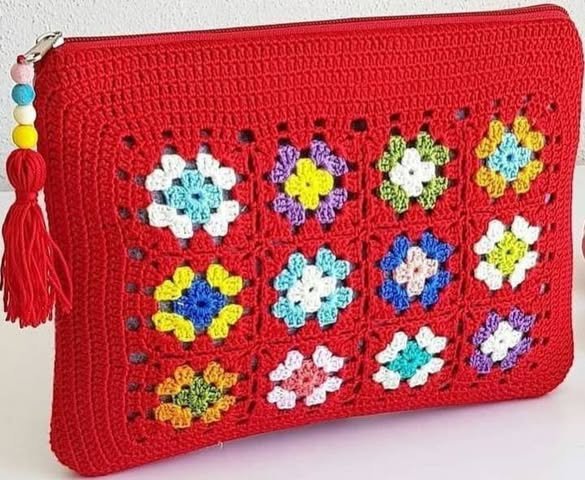
1. Choosing the Right Materials for Ultimate Durability and Texture
When embarking on this Crochet Zipper Clutch Bag – Tutorial, selecting the appropriate yarn is the most crucial decision you will make for the longevity of your accessory. Unlike blankets or scarves that require maximum drape and softness, a clutch needs structural integrity to hold its shape when filled with your phone, keys, and cosmetics.
We highly recommend opting for a sturdy mercerized cotton yarn or a robust t-shirt yarn to give your bag the crisp definition it deserves. Cotton yarn is less prone to stretching over time compared to acrylic, ensuring your stitches remain tight and secure throughout daily use.
In addition to your yarn, you will need a crochet hook that is slightly smaller than what the yarn label suggests to achieve a dense, tight gauge. A tighter tension prevents items from slipping through the spaces between your stitches and gives the overall piece a woven, professional look.
You will also need a high-quality nylon zipper or a metal teeth zipper that matches or beautifully contrasts with your chosen yarn color. Make sure to choose a zipper that is either the exact width of your planned clutch or slightly longer, as we can easily shorten a longer zipper during the assembly phase.
Don’t forget to prepare your essential notions, including a sharp tapestry needle, sewing thread that matches your zipper tape, a sewing needle, and sharp scissors. Having these tools ready before you begin your Crochet Zipper Clutch Bag – Tutorial project will ensure a smooth, uninterrupted, and highly enjoyable crafting experience.
If you want to take your handmade clutch to the absolute next level, consider picking up a fat quarter of cotton fabric to use as an inner lining. A lining not only hides the messy interior floats of your sewing threads but also provides an extra layer of protection for your smaller personal belongings.
2. Step-by-Step Crochet Base Foundation and Stitch Pattern
To begin the construction of your beautiful Crochet Zipper Clutch Bag – Tutorial project, you will start by creating a classic slip knot and chaining your foundational row. The number of chains you make will determine the exact width of your clutch, so feel free to adjust this length based on your personal preference.
For a standard, medium-sized clutch, a foundation chain of approximately thirty to thirty-five chains using medium-weight cotton yarn is generally the sweet spot. Once your chain is ready, you will work a row of single crochet stitches across, starting from the second chain from your hook.
To create a seamless bottom for your bag, we will be working in a continuous spiral round rather than back-and-forth rows. When you reach the very last chain of your foundation row, place three single crochets into that single stitch to comfortably turn the corner.
Now, rotate your work upside down and begin crocheting into the opposite side of your initial foundation chain, placing one single crochet in each loop. When you reach the starting point, place two single crochets into the very first chain to match the three-stitch curve on the other side.
From this point forward, you will continue to work single crochet rounds in a continuous spiral without joining your rows with a slip stitch. This brilliant technique eliminates any visible, unsightly seams on the side of your bag, giving it a flawless, store-bought appearance.
Continue working your chosen stitch pattern—whether it is the dense single crochet, the textured moss stitch, or a beautiful waistcoat stitch—until your bag reaches your desired height. Once you reach the perfect measurement, slip stitch into the next two stitches to smooth out the spiral edge, fasten off your yarn, and weave in your loose ends securely.
3. How to Seamlessly Prep and Sew the Zipper
The most intimidating part of a Crochet Zipper Clutch Bag – Tutorial for many crafters is the actual installation of the zipper, but with a few clever tricks, it becomes incredibly simple. The golden rule here is to pin or baste your zipper into place before you ever pick up your sewing needle.
Start by unzipping your zipper halfway to make handling the fabric much easier, and place it just inside the top opening of your crochet pouch. Use standard straight sewing pins or specialized quilting clips to align the teeth of the zipper perfectly parallel to the top edge of your final crochet row.
Thread your sewing needle with a strong, double strand of matching sewing thread, tying a secure knot at the very end of your strand. Insert your needle from the inside of the clutch, pushing it through the zipper tape and out through the center of your crochet stitches.
Utilize a clean, tight backstitch or a precise running stitch to sew the zipper tape securely to the dense cotton crochet fabric. Make sure your stitches are placed just below the zipper teeth so that the slider can glide smoothly back and forth without catching on the yarn.
As you approach the corners of your Crochet Zipper Clutch Bag – Tutorial piece, tuck the excess fabric ends of the zipper tape neatly downward into the interior of the bag. Sew across these folded fabric tabs multiple times to ensure they stay firmly anchored down and won’t poke out during use.
Once you have sewn completely around both sides of the clutch opening, pull your thread to the interior side of the bag, tie a series of secure knots, and trim the excess. Test the zipper pull several times to ensure it opens smoothly and that no stray yarn fibers are obstructing the path of the metal slider.
4. Advanced Customization Tips and Lining Integration
Now that the core mechanics of this Crochet Zipper Clutch Bag – Tutorial are complete, you can explore fun ways to customize your new accessory. Adding a custom fabric lining is the ultimate way to boost the market value of your bag if you plan on selling your creations online.
To easily line your clutch, cut a piece of cotton fabric that is exactly twice the height of your clutch plus an extra inch for seam allowances. Fold the fabric in half with the right sides facing together, sew down the two open sides, and press a half-inch fold along the top rim.
Insert this fabric pouch directly inside your crochet bag so that the wrong sides of the fabric are touching the wrong sides of your yarn work. Hand-sew the folded top edge of your fabric lining directly onto the zipper tape using a tidy, invisible blind stitch for a breathtakingly clean finish.
Beyond lining, incorporating unique design elements like a detachable crochet wristlet strap or a playful yarn tassel can dramatically alter the vibe of your clutch. Simply attach a small metal lobster clasp to a short, sturdy braided yarn strap and clip it directly onto the side edge of your bag.
You can also experiment with vibrant color block patterns, elegant stripes, or intricate embroidery details on the exterior surface of your pouch before sewing the zipper down. The creative possibilities are truly endless when you use this foundational structure as a blank canvas for your artistic expression.
Taking proper care of your finished Crochet Zipper Clutch Bag – Tutorial creation will keep it looking brand new for many years to come. We highly recommend spot cleaning the cotton fabric with a damp cloth and mild detergent, avoiding harsh machine washing cycles that could potentially warp the delicate zipper alignment.
Frequently Asked Questions (FAQ)
What is the absolute best yarn to use for a crochet clutch bag? The best choice is a non-stretchy, durable fiber like 100% mercerized cotton, linen, or a sturdy t-shirt yarn. These specific materials provide the structure, weight, and stitch definition required to keep your clutch from stretching out of shape when filled with heavy items.
Do I absolutely need to line my crochet clutch bag? While it is not strictly mandatory, adding a fabric lining is highly recommended. A lining prevents smaller items like bobby pins, pens, or coins from slipping through your crochet stitches, protects the yarn from staining, and gives your project a professional, high-end look.
Can I sew the zipper onto my crochet clutch using a standard sewing machine? Yes, you can absolutely use a sewing machine if your crochet fabric is relatively thin and flat, such as a basic single crochet stitch made with fine yarn. However, for thicker yarns or highly textured stitches, hand-sewing the zipper with a backstitch offers much greater control and accuracy.
How do I clean and wash my finished crochet zipper clutch? It is always best to spot clean your handmade clutch using a mild detergent, cool water, and a soft cloth. If the bag requires a deep clean, hand wash it gently, avoid twisting or wringing the fabric, and lay it completely flat on a clean towel to air dry.
What should I do if my zipper is longer than my finished crochet bag? A long zipper is incredibly easy to shorten. Simply measure the opening of your clutch against the zipper, sew a new secure thread stopper across the zipper teeth at your desired length, and use sharp scissors to cut away the excess zipper tape about half an inch beyond your new stopper.
Conclusion
Mastering the creation of a Crochet Zipper Clutch Bag – Tutorial is a wonderful milestone that bridges the gap between traditional yarn crafting and modern fashion design.
Throughout this detailed guide, you have learned how to select the ideal structured cotton yarn, build a seamless spiral foundation, flawlessly sew a zipper into place, and elevate your work with beautiful linings and custom hardware additions.