
A Decorative Fabric Angel – Tutorial is the perfect way to bring a touch of handmade warmth, elegance, and charm into your home decor. Whether you are looking to create beautiful holiday ornaments, personalized gifts for loved ones, or timeless pieces for your crafting portfolio, crafting a fabric angel is a deeply rewarding project. This step-by-step guide is designed to help crafters of all skill levels navigate the process with ease, ensuring a stunning and professional-looking result every time.
Creating a decorative fabric angel allows you to express your unique artistic style while exploring the wonderful world of textile arts. Fabric crafts have a special way of making a space feel cozy and invited, and these delicate angels are no exception. By using simple materials, a bit of patience, and your imagination, you can transform ordinary scraps of cloth into a beautiful keepsake that will be cherished for years to come.
In this comprehensive guide, we will walk through everything you need to know to complete your project successfully. From selecting the right materials and organizing your workspace to mastering the assembly and adding those vital finishing touches, no detail is left behind. Gather your sewing tools, choose your favorite fabrics, and let’s dive into this delightful Decorative Fabric Angel – Tutorial.
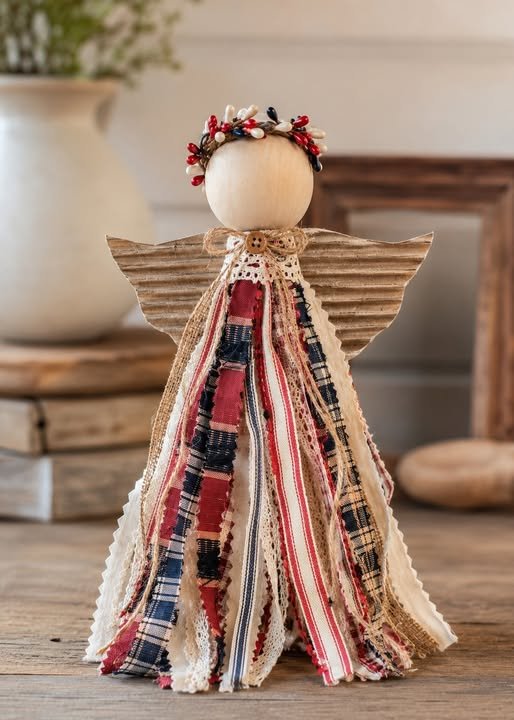
1. Choosing the Best Materials for Your Fabric Angel
Selecting high-quality materials is the foundation of any successful crafting project, especially when making a delicate decorative fabric angel. The choice of fabric determines not only the final look of your angel but also how easy it is to sew and manipulate. For the body and wings, premium cotton fabrics, linens, and muslins are excellent choices because they hold their shape well and come in a vast array of beautiful colors and patterns.
To give your decorative fabric angel a sturdy yet elegant structure, you will also need the right stabilization materials. Using a lightweight fusible interfacing on the back of your wing fabric adds the perfect amount of crispness without making the piece look rigid. Additionally, high-quality polyester fiberfill or organic cotton stuffing is essential for giving the angel’s head and body a soft, uniform plumpness without unappealing lumps.
Don’t forget about the decorative embellishments that bring your decorative fabric angel to life. Consider using delicate lace trims, satin ribbons, metallic threads, and small wooden beads for the head. For a more rustic or vintage aesthetic, upcycled materials like jute twine or salvaged antique lace work beautifully. Having a well-curated selection of materials ready before you begin will make the entire crafting process smooth and enjoyable.
When it comes to tools, having the right gear ensures precise cuts and neat stitches throughout this Decorative Fabric Angel – Tutorial. A sharp pair of fabric shears, a rotary cutter, a cutting mat, and fine sewing pins are absolute necessities. If you plan to sew by hand, ensure you have a variety of needles; if using a sewing machine, a standard universal needle will work perfectly for most cotton fabrics.
Furthermore, thread selection plays a massive role in the durability and seamless appearance of your project. Opt for a strong, color-matched polyester or cotton thread that blends into your fabric seams. For attaching details like hair or hanging loops, a slightly thicker embroidery floss can add both strength and a beautiful, handcrafted visual texture to your piece.
Lastly, preparing your fabric before cutting is a crucial step that many beginners overlook. Always pre-wash and iron your fabrics to prevent any future shrinkage and to ensure that your pattern pieces are cut with absolute precision. Taking the time to properly select and prepare your materials sets the stage for a flawless, professional-looking decorative fabric angel.
2. Step-by-Step Guide to Cutting and Sewing the Angel Body
The first structural step in this Decorative Fabric Angel – Tutorial is preparing and cutting your pattern pieces. Place your ironed fabric flat on your cutting mat and pin your paper templates securely to the cloth. Carefully cut out the shapes for the angel’s dress, wings, and head, making sure to leave a consistent quarter-inch seam allowance around all edges to facilitate easy sewing.
Once your pieces are cut, it is time to begin assembling the main body of your decorative fabric angel. Match the right sides of the dress fabric together, pinning along the side seams to keep the edges perfectly aligned. Stitch carefully along the pinned edges, leaving the bottom opening completely free so that you can easily turn the fabric right side out and add the stuffing later.
After sewing the side seams, carefully clip any curved edges and corners to ensure the fabric lays completely flat when turned. Turn the body piece right side out, using a blunt tool like a chopstick or a knitting needle to gently push out the corners and seams. Press the stitched body flat with your iron to create clean, crisp edges that define the shape of your angel.
Now, take your chosen stuffing material and begin filling the body of your decorative fabric angel through the open bottom seam. Work in small clumps, pushing the fiberfill firmly into the top sections first and working your way down to ensure an even distribution. Avoid overstuffing, as this can cause the seams to strain and distort the overall shape of your beautiful creation.
Once the body is stuffed to your liking, turn the raw edges of the bottom opening inward by a quarter of an inch and pin them secure. Use a neat ladder stitch or a blind hem stitch to sew the opening closed by hand, ensuring that your stitches are virtually invisible. This creates a clean, professional base that allows your angel to sit nicely or hang evenly.
To complete the body foundation, attach the head securely to the top of the dress structure. If you are using a wooden bead for the head, you can thread it onto a sturdy piece of twine anchored inside the body, securing it with a small dab of hot glue or precise hand stitches. Your core decorative fabric angel shape is now complete and ready for its wings.
3. Creating and Attaching the Perfect Angel Wings
Wings are the defining feature of any decorative fabric angel, and creating them with care adds immense personality to your project. Begin by layering your wing fabrics with the right sides facing each other, placing a piece of fusible interfacing on the wrong side of one piece for added structure. Trace your wing pattern directly onto the interfacing to serve as your exact stitching guide.
Sew directly along the traced line, making sure to leave a small two-inch opening along the center straight edge of the wings. This opening is crucial, as it allows you to turn the wings right side out once the stitching is complete. Trim the excess fabric close to the seam line, and make small diagonal snips into the curves to prevent puckering.
Gently pull the fabric through the left-open gap to turn the wings right side out, using your blunt turning tool to define the beautiful curves of the tips. Press the wings thoroughly with a warm iron, ensuring the raw edges of the opening are folded neatly inside. Topstitch around the entire perimeter of the wings to give them a polished, professional finish.
To add extra depth and texture to your decorative fabric angel wings, consider adding quilted details. You can sew straight or gently curved lines radiating from the center outward, mimicking the natural appearance of feathers. This simple quilting technique catches the light beautifully and elevates the overall design of your handmade ornament.
Position the finished wings onto the back of the angel’s body, aligning them evenly with the shoulder line. Use strong quilting pins to hold them firmly in place while you decide on the exact height and angle. Once you are satisfied with the placement, use a strong thread to stitch the center of the wings securely to the back of the dress.
For an extra touch of security and flair, you can cover the central attachment stitches on the wings with a decorative element. A small fabric heart, a sparkling button, or a neat satin bow works beautifully to conceal the structural hand sewing while adding another layer of charming detail to your unique decorative fabric angel.
4. Customizing Hairstyles and Delicate Facial Details
The final phase of our Decorative Fabric Angel – Tutorial involves personalization, where you give your creation a unique personality and facial expression. For the hair, spun wool yarn, embroidery floss, or even metallic tinsel work wonderfully to create beautiful textures. You can create simple loops for a classic look, or style the yarn into elegant braids and buns secured with tiny stitches.
Carefully glue or stitch the hair onto the top and sides of the angel’s head, covering any visible attachment points or knots from previous steps. Take your time during this process, as the framing of the hair drastically influences the final look of your decorative fabric angel. Trim any stray threads or yarn ends to keep the hairstyle neat and intentional.
When it comes to the facial features of your angel, a minimalist approach often yields the most elegant and timeless results. You can use a fine-tip permanent fabric marker or embroidery floss to gently dot two small eyes onto the face. A soft pink colored pencil or a touch of actual cosmetic blush applied with a cotton swab adds a lovely, warm glow to the cheeks.
Next, consider adding unique accessories to the hands of your decorative fabric angel to tell a story. You can stitch a tiny felt star, a miniature fabric book, a small wooden heart, or a faux pearl garland between her hands. These small narrative elements make the craft feel incredibly special, especially if you are giving it away as a personalized gift.
Every angel needs a beautiful halo, which can be easily fashioned from a piece of metallic pipe cleaner, gold craft wire, or a small metallic ring. Shape the wire into a delicate circle, leaving a small stem that can be inserted into the back of the angel’s head or hair. Secure it with a tiny drop of clear craft glue so that it hovers elegantly above the head.
Finally, attach a secure hanging loop to the top of the head or the upper back if you intend to display your craft on a holiday tree or wall. A thin satin ribbon or clear nylon thread works beautifully for this purpose. Step back, admire your handiwork, and celebrate completing your gorgeous, customized decorative fabric angel.
Frequently Asked Questions (FAQ)
What is the best type of fabric for a beginner making a fabric angel?
For beginners embarking on this Decorative Fabric Angel – Tutorial, 100% woven cotton fabric is highly recommended. Cotton is incredibly easy to cut, does not slip or stretch excessively while sewing, and holds presses beautifully with a standard iron. It also comes in thousands of prints and solid colors, giving you endless creative freedom.
Can I make this decorative fabric angel project completely without a sewing machine?
Yes, absolutely! This project is highly adaptable and can be completed entirely by hand using basic stitches like the running stitch, backstitch, and ladder stitch. Hand sewing gives you immense control over small curves and details, making it a relaxing and accessible craft to enjoy anywhere.
How do I ensure my angel stands upright on a flat surface?
To make your decorative fabric angel stand stably on a shelf or tabletop, you can add weight to the bottom of the body. Before closing the final bottom seam, place a small fabric pouch filled with clean dried rice, plastic pellets, or small glass beads inside the base, then pack the fiberfill stuffing firmly around and above it.
What can I use instead of a wooden bead for the angel’s head?
If you do not have a wooden bead on hand, you can easily sew a small sphere using scraps of skin-toned fabric or soft felt. Fill the sphere tightly with fiberfill stuffing until it forms a smooth ball, then attach it to the body. Alternatively, a large vintage pearl button or a sculpted clay bead can add a stunning artistic touch.
How can I clean and maintain my handmade fabric angel over time?
Because of the delicate embellishments, hair, and stuffing, it is best to spot-clean your decorative fabric angel with a damp cloth and mild soap if it accumulates dust. Avoid washing machines or submerging the angel completely in water. Store your angel in a breathable cotton bag or a sturdy box during the off-season to keep it pristine.
Conclusion
In this Decorative Fabric Angel – Tutorial, we have explored the entire creative journey of transforming simple textile pieces into an elegant, timeless home accent. From handpicking your favorite cotton fabrics and assembling the structured body to crafting intricate wings and personalizing the delicate facial features, you now possess the complete blueprint to create stunning fabric angels whenever inspiration strikes.
This project is a beautiful testament to the joy of handmade crafts, offering endless opportunities for customization and personal expression.