
This Multi Pocket Case Fabric – Tutorial is designed to guide you through creating a highly functional, beautiful, and sustainable organizer from scratch. If you have ever struggled to keep your sewing notions, art supplies, or daily essentials organized, crafting a structured multi pocket case fabric organizer is the ultimate solution. This project allows you to blend utility with creativity, giving you a dedicated space for every single tool while letting you play with beautiful textile combinations.
In this step-by-step guide, we will explore the art of organizing through sewing, focusing heavily on durable construction methods and smart layout planning. Choosing the right fabric pocket organizer DIY strategy ensures that your finished piece is not only aesthetically pleasing but also tough enough to withstand daily wear and tear. We will dive deep into everything from selecting the perfect sturdy base fabrics to mastering the precise stitching techniques required for divided compartments.
Beyond the sheer utility, diving into a handmade fabric pouch project is an incredible way to practice sustainable crafting by utilizing leftover textile pieces and giving them a brand-new life. Whether you intend to use this case to store your crochet hooks, quilting clips, or travel makeup brushes, the customization options are absolutely endless. Gather your materials, prep your sewing machine, and let us dive into the ultimate guide to creating your very own customized storage masterpiece.
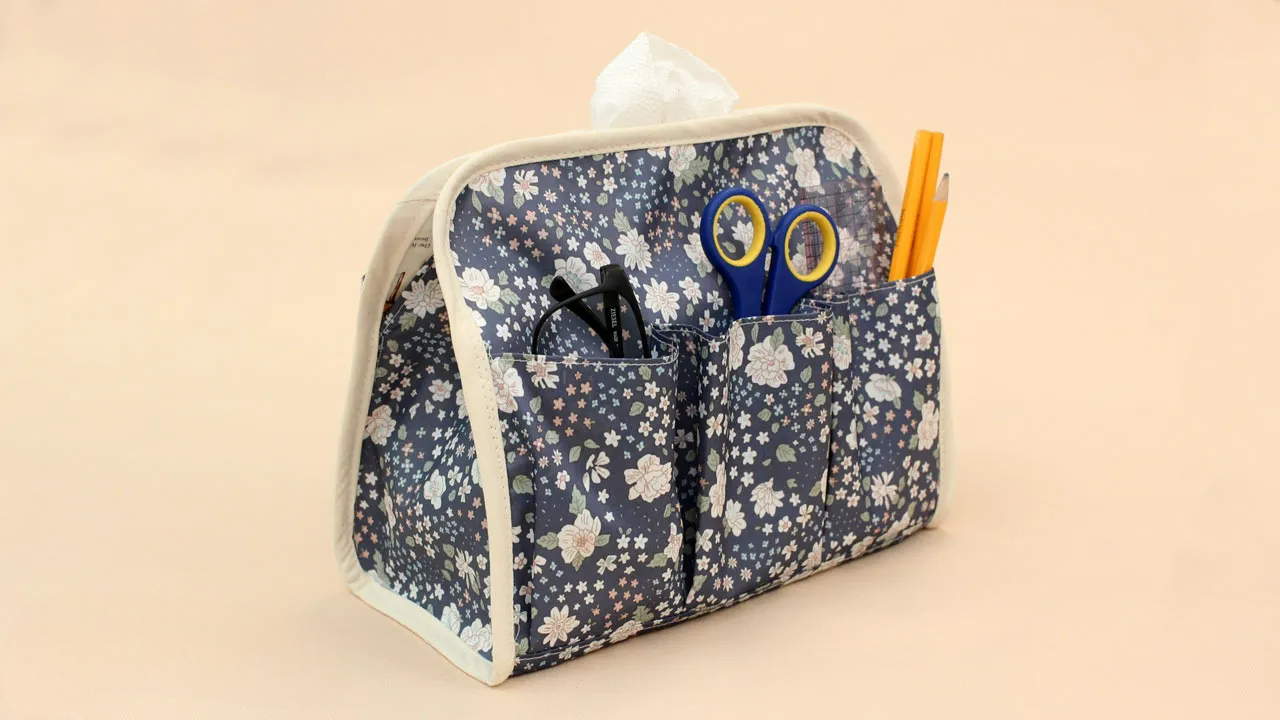
1. Selecting the Ideal Materials for Durability
Choosing the right textiles is the foundational step in ensuring your multi pocket case fabric project stands the test of time and holds its shape flawlessly. For the exterior body, you want robust, heavy-duty options like canvas, duck cloth, or even repurposed sturdy old denim fabric, which provides fantastic structural integrity. These heavier materials ensure that when the case is fully loaded with tools, it will not sag, warp, or lose its structural form.
For the lining and the individual pockets themselves, a high-quality quilting cotton or lightweight linen works beautifully, offering a smooth finish that won’t snag your items. Utilizing contrasting prints or vibrant colors for the handmade fabric pouch interior not only makes it visually striking but also helps you locate small items much faster. Mixing and matching different patterns is a fantastic way to express your unique personal style through your craft.
Structural support is the secret ingredient that elevates a amateur project to a professional-grade product, so do not skip the stabilizing layers. Incorporating a firm fusible interfacing or a layer of low-loft batting between your exterior and lining fabric is highly recommended for this fabric pocket organizer DIY build. The interfacing acts as a hidden support system, giving the entire case a crisp, storefront-ready feel that holds up beautifully over years of continuous usage.
Do not forget about the closure mechanisms and the small notions that will keep your completed case secure, organized, and easy to transport anywhere. Depending on your design preferences, you can opt for heavy-duty metal snaps, hook-and-loop tape, colorful elastic bands, or a sturdy nylon zipper. Having these elements ready before you begin stitching allows you to integrate them seamlessly into the seams for a clean, professional finish.
Another excellent approach to material selection is embracing the eco-friendly philosophy of upcycling fabric projects, which reduces waste while adding immense character to your work. Old jeans, worn-out jackets, or leftover scraps from large quilting projects are absolute goldmines for creating unique, textured pockets. This sustainable approach guarantees that your finished organizer tells a unique story while remaining incredibly kind to the environment.
Before making a single cut into your chosen materials, always take the time to pre-wash and thoroughly iron your textiles to eliminate future headaches. Pre-washing prevents any accidental shrinkage or color bleeding later on when you wash your completed sewing case tutorial masterpiece. Once your fabrics are clean, pressed, flat, and completely wrinkle-free, you are officially ready to measure and cut your pattern pieces with absolute precision.
2. Precise Cutting and Layout Planning
Accurate measurements are the absolute backbone of a successful multi pocket case fabric organizer, as even a minor mathematical error can throw off the entire alignment. For a standard, versatile organizer, you will need to cut one large main body piece for the exterior, one identical piece for the lining, and one for the interfacing. A fantastic starting dimension for a versatile travel case is roughly 12 inches by 18 inches, though you can easily adjust this.
Next, you will need to determine the size and number of your storage sections, which is where the true customization of this fabric pocket organizer DIY happens. Cut long fabric strips that match the width of your main body, varying the heights depending on what specific tools you plan to store inside. For instance, shorter 3-inch pockets are ideal for small clips, while deeper 6-inch sections are perfect for tall pens or crochet hooks.
To ensure your pockets have plenty of room to expand and hold bulkier items, you should consider implementing a smart pleating technique during the layout phase. Instead of cutting your pocket strips completely flat, add an extra inch of width for every pocket divider you plan to sew into the strip. This clever handmade fabric pouch design choice creates small box pleats or accordion folds, allowing the pockets to expand outward effortlessly.
Once all your individual textile pieces are cut according to your measurements, it is time to fuse the interfacing to the wrong side of your exterior fabric. Follow the manufacturer’s instructions carefully, using a hot iron and steady pressure to create a permanent, bubble-free bond across the entire surface. This crucial step provides the necessary weight and stiffness that transforms limp cloth into a durable, self-supporting organizational case.
Lay your main lining piece flat on your workspace and begin arranging your pocket strips on top to visualize the final layout before sewing. Use a clear quilting ruler and a water-soluble fabric marker to draw perfectly straight vertical alignment lines where your pocket dividers will be stitched. Taking the time to map out these grid lines carefully prevents crooked compartments and ensures your craft storage case looks perfectly symmetrical.
Secure the pocket strips to the lining fabric using plenty of sewing pins or quilting clips so nothing shifts out of place during transport to the machine. Double-check that the raw bottom edges of your pocket strips line up perfectly with the sides and bottom of your main lining piece. With everything securely pinned, marked, and perfectly aligned, you are officially ready to transition to the sewing machine for construction.
3. Stitching the Pockets and Compartments
The first sewing step involves finishing the top raw edges of your pocket strips, as these edges will see the most friction and hand contact. Fold the top edge down toward the wrong side by a quarter of an inch, press it flat, fold it over once more, and topstitch it securely. This clean, double-hemmed edge ensures that your multi pocket case fabric will never fray or unravel, keeping the interior looking pristine over time.
With the top edges neatly hemmed, place the pocket strips back onto the marked positions on your lining fabric and prepare to stitch the dividers. Lower your machine’s stitch length slightly to create tighter, stronger seams that can handle the pressure of items being pushed inside. Carefully sew directly along the vertical lines you marked earlier, moving from the bottom edge of the pocket all the way up to the top opening.
A critical tip for a long-lasting fabric pocket organizer DIY is to always backstitch securely at the top opening of every single pocket divider. The top edge experiences immense stress when you insert and remove tools, making it the most common failure point in handmade bags. By sewing back and forth three or four times at these stress points, you reinforce the threads and prevent the pockets from ripping apart.
If you chose to include expanding box pleats for bulkier items, carefully fold and pin those pleats into place along the bottom edge of the strip now. Run a basting stitch—a long, temporary running stitch—one-eighth of an inch away from the side and bottom raw edges of the fabric. This basting process locks all the pleated layers and pocket edges flat against the lining, treating them as a single cohesive unit for the next steps.
At this stage, you can also incorporate custom details like elastic loops or small clear vinyl windows into your handmade fabric pouch layout. Elastic loops sewn directly above shorter pockets are fantastic for holding long tools like scissors or markers securely in place so they don’t tip forward. Customizing these internal components allows you to tailor the final product precisely to your unique workflow, hobbies, or everyday organizational needs.
Inspect the entire pocket panel layout to ensure every compartment is uniform, properly aligned, and securely stitched down to the base fabric. Trim away any long, loose thread tails that could become tangled in your items or caught in your machine later on. Your completed interior panel should look neat, tidy, and fully structured, ready to be joined with the protective outer shell of your case.
4. Final Assembly and Professional Finishing
Now that your pocket panel is fully assembled, it is time to join the interior lining and the stabilized exterior fabric together into a finished product. Place your exterior fabric piece and your completed pocket lining piece right sides together, ensuring all the outer edges and corners align perfectly. Pin generously around all four sides, making sure the internal pockets remain flat and do not accidentally bunch up between the layers.
Stitch around the entire perimeter of the rectangle using a standard half-inch seam allowance, leaving a 4-inch opening along one of the flat sides. This unsewn opening is absolutely essential, as it acts as the gateway to turn the entire multi pocket case fabric right side out. Take your time around the corners, leaving the needle down in the fabric to pivot the piece smoothly for sharp, crisp ninety-degree turns.
Before turning the project right side out, you must clip the excess fabric across all four corners of your rectangle diagonally. Clipping the corners removes bulky textile buildup, allowing the fabric to sit completely flat once the organizer is turned inside out. Be incredibly careful not to snip through your actual structural stitching line, as this would cause the corner seams to burst open.
Reach inside the 4-inch opening you left along the edge and carefully pull the entire case right side out through the gap. Use a dull point turner, a chopstick, or a knitting needle to gently push out the corners until they are perfectly sharp and square. Give the entire handmade fabric pouch a thorough, heavy pressing with your iron, paying close attention to rolling the perimeter seams out flat.
Tuck the raw edges of the 4-inch opening inward by a half-inch so they align perfectly with the rest of the finished edge, and press it flat. To close the opening and give your organizer a high-end look, topstitch around the entire perimeter of the case, one-eighth of an inch from the edge. This final topstitching line permanently seals the turning gap while adding a beautiful, crisp, manufacturing-quality framing border to your piece.
Add your chosen closure mechanism, such as a heavy-duty snap, a decorative button with an elastic loop, or a wrapping ribbon to complete the project. Once your closure is installed, your custom fabric pocket organizer DIY creation is officially complete and ready to be filled with your favorite tools. Enjoy the peace of mind that comes with owning a beautiful, durable, and highly organized storage system designed exactly to your specifications.
Frequently Asked Questions (FAQ)
What is the best type of fabric to use for a multi pocket case fabric organizer?
The best exterior materials are heavy, durable fabrics like canvas, denim, duck cloth, or heavy home decor textiles because they provide structural integrity. For the interior pockets and lining, high-quality quilting cotton is preferred because it is easy to fold, hem, and stitch precisely, while offering a smooth surface for your items.
How do I prevent the top edges of the pockets from ripping over time?
To prevent tearing, always reinforce the top opening of every pocket divider by using a secure backstitch or a small triangle stitch pattern at the stress point. Additionally, ensuring you double-hem the top raw edge of the pocket strip before sewing it down will keep the fabric from fraying under pressure.
Can I make this fabric pocket organizer DIY project if I am a complete beginner?
Yes, this project is highly beginner-friendly because it relies primarily on sewing straight lines and basic rectangular shapes. Taking your time with iron pressing, using plenty of pins, and marking your divider lines accurately beforehand will ensure a highly successful, professional-looking outcome.
Do I absolutely need to use interfacing for a handmade fabric pouch?
Yes, interfacing is highly recommended because it provides the necessary body, stiffness, and support that keeps the case from collapsing when filled with heavy tools. Without interfacing, a standard cloth organizer will sag, lose its shape, and fail to protect the items stored inside properly.
How do I clean my completed multi pocket case fabric organizer?
If you pre-washed your fabrics before cutting, your completed organizer can easily be spot-cleaned with mild detergent or machine-washed on a gentle, cold cycle. Always air dry the case flat to preserve its shape and structural interfacing, followed by a quick iron press to remove any wash wrinkles.
Conclusion
In conclusion, mastering this multi pocket case fabric – tutorial provides you with a highly customizable, durable, and beautiful solution to everyday clutter.
By carefully selecting your materials, planning your layout, reinforcing your divider stitches, and finishing the edges with crisp topstitching, you create a professional-grade organizer built to last. This project is a wonderful testament to how structured sewing techniques can turn simple fabric pieces into highly functional everyday tools.