
The Hydra Quilt – Tutorial is your ultimate guide to mastering one of the most mesmerizing, dynamic, and visually striking geometric quilt designs in the modern crafting world. Quilting is more than just sewing fabric together; it is an ancient art form that allows us to tell stories, express our creativity, and create functional pieces of art that warm our homes and hearts. If you have been looking for a project that challenges your skills while producing a breathtaking masterpiece, you have come to the right place. This comprehensive guide will take you through every single step required to bring this legendary design to life, ensuring your success from the very first cut to the final stitch.
As passionate makers, we are always on the hunt for patterns that offer a fresh perspective on traditional block construction. The Hydra Quilt pattern stands out because it beautifully plays with movement, color gradients, and geometric symmetry, creating an optical illusion that seems to shift before your eyes. While the intricate interlocking pieces might look intimidating to a beginner, breaking down the construction into manageable steps makes the entire process incredibly rewarding. This Hydra Quilt – Tutorial is carefully designed to empower quilters of all skill levels, providing the clarity, tips, and encouragement needed to tackle this project with absolute confidence.
Before we dive into the actual fabric selection and cutting instructions, it is essential to prepare your mind and your workspace for a truly fulfilling creative journey. Precision, patience, and a love for detail are your best tools when working on a project of this scale. By choosing high-quality materials, maintaining a consistent quarter-inch seam allowance, and pressing your seams carefully, you will achieve crisp points and perfectly aligned blocks. Let’s get our rotary cutters ready, organize our fabric stash, and explore how to create a stunning piece of textile art that your family will cherish for generations to come.
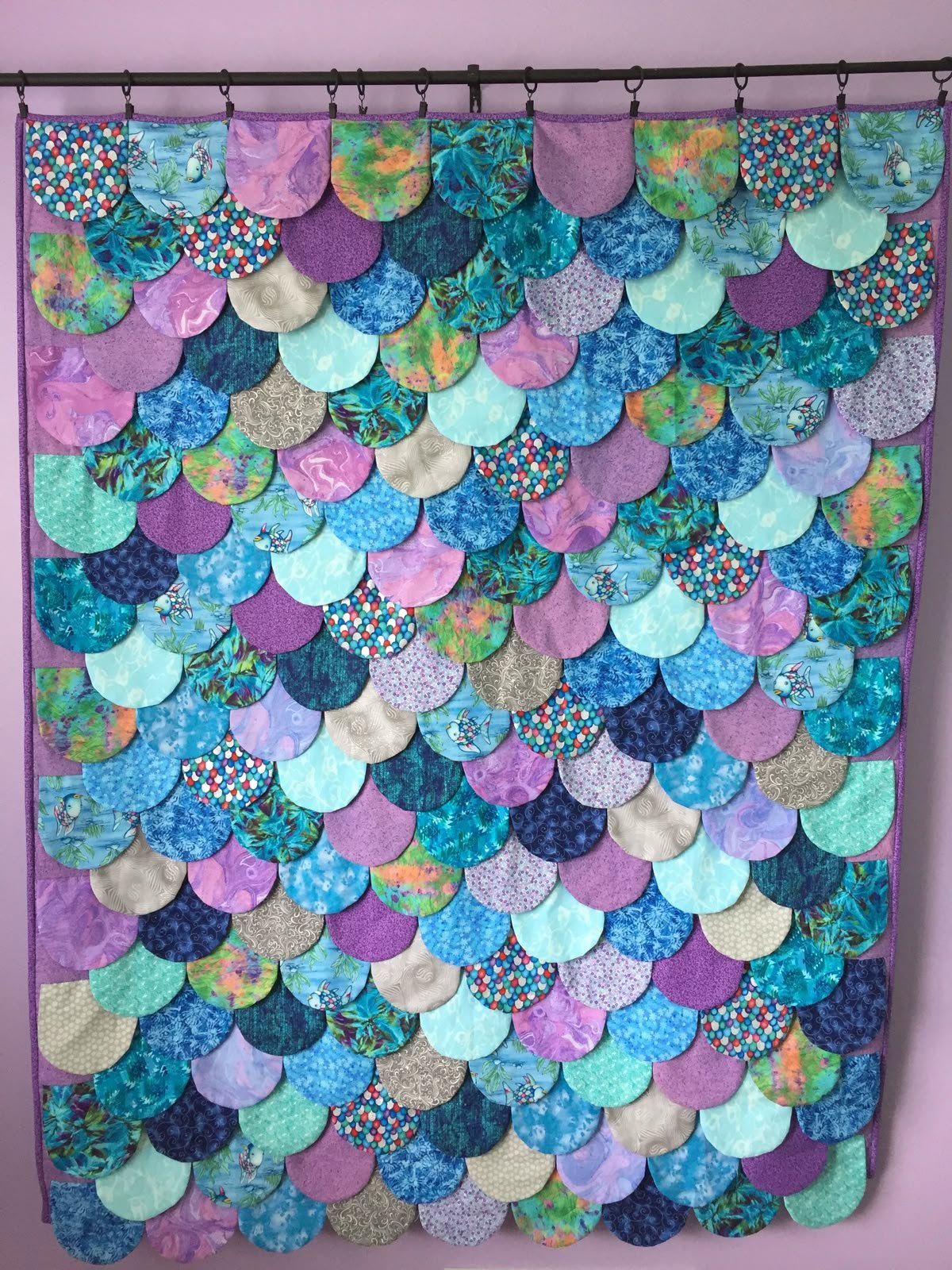
1. Choosing Your Fabric and Selecting the Perfect Color Palette
Selecting the right fabric is the absolute foundation of a successful Hydra Quilt project, as the colors you choose will define the depth and movement of the final design. For this specific pattern, high-quality 100% quilting cotton is highly recommended because it holds its shape beautifully, resists fraying, and comes in an endless variety of shades. When shopping for your materials, try to look for fabrics with a tight weave and a smooth finish, which will make your piecing much more accurate.
To make the geometric design of the Hydra Quilt – Tutorial truly pop, you need to focus on contrast and value rather than just the colors themselves. A mix of light, medium, and dark tones is essential to create the multi-dimensional illusion that this layout is famous for. Solid fabrics or very subtle prints, like batiks or tone-on-tone designs, work best because busy patterns can easily distract from the sharp geometric lines.
Consider experimenting with a digital quilt planner or a simple sketchbook to test your color placement before making any permanent cuts. Classic combinations like monochromatic blues, fiery autumn tones, or even a bold rainbow gradient can completely transform the vibe of your blanket. Don’t be afraid to step out of your comfort zone and try unexpected color pairings that reflect your unique personal style.
Pre-washing your fabric is a personal choice, but it is highly recommended if you are working with high-contrast colors like deep reds and bright whites. Pre-washing helps eliminate the risk of fabric bleeding during the first wash and removes any manufacturing sizing, giving you a softer material to work with. If you prefer not to pre-wash, keeping a bottle of color catchers on hand for the final laundry cycle is a smart safeguard.
Once you have gathered all your beautiful fabrics, take some time to press them thoroughly with a hot iron and a bit of fabric starch. Starched fabric is much easier to cut precisely and prevents the edges from stretching or distorting when you cut along the bias. Organization is key at this stage, so group your pressed fabrics by color value and label them clearly to avoid any confusion later on.
Calculate your fabric yardage carefully based on the final size of the blanket you want to create, whether it is a cozy throw, a twin bed cover, or a large queen-size masterpiece. Always buy a little extra fabric—about a quarter of a yard more for each color—to give yourself a comfortable safety net for accidental miscuts. Having a bit of extra material also means you can easily create a matching scrappy binding or add a personalized touch to the backing.
2. Master Precision Cutting and Fabric Organization Strategies
The secret to perfectly flat blocks and beautifully aligned points lies entirely within your cutting process, making precision your number one goal during this stage. For this Hydra Quilt – Tutorial, you will need a self-healing cutting mat, a sharp rotary cutter with a fresh blade, and a few reliable acrylic quilting rulers. Using a dull blade can cause jagged edges and hand fatigue, so don’t hesitate to replace it before you begin cutting your precious fabric.
Always square up the fabric edge before cutting your strips to ensure that every single piece is perfectly straight from end to end. Line up the selvage edges accurately on your cutting mat, use your acrylic ruler to trim away any unevenness, and then proceed to cut your required strip widths. Double-check your measurements on the ruler itself rather than relying solely on the lines of the cutting mat for maximum accuracy.
As you cut your strips into smaller geometric shapes, such as squares, rectangles, or triangles, it is incredibly helpful to use quilting pins or fabric clips to keep things organized. Group identical pieces together and use small sticky notes or labeled paper clips to mark each pile with its corresponding letter or color code. This simple organizational habit will save you hours of frustration and prevent you from accidentally sewing the wrong piece into a block.
When handling pieces that have bias edges, such as half-square triangles, you must handle the fabric with extra care to avoid stretching the delicate fibers. Avoid pulling or tugging on the cut pieces, and move them gently from your cutting table to your sewing station. Keeping your pieces flat on a small tray or a piece of cardboard can help maintain their exact shape during transport.
Take your time during the cutting phase and remember the golden rule of crafting: measure twice and cut once. It is much better to spend an extra few seconds verifying your alignment on the ruler than to ruin a beautiful piece of fabric and have to re-order supplies. Turn on some relaxing music, clear your workspace of any clutter, and treat the cutting process as a peaceful, meditative part of your quilting journey.
Keep all your smaller fabric scraps organized in a clear bin while you work, as they can be incredibly useful for future projects or testing your machine’s tension. Once every single piece for your Hydra Quilt design is cut and labeled, arrange them neatly near your sewing machine. Having a clean, organized, and beautifully prepared setup will make the assembly phase much smoother, faster, and infinitely more enjoyable.
3. Step-by-Step Block Assembly and Chain Piecing Techniques
Now that your fabric is beautifully prepared, it is time to start the exciting process of assembling your individual quilt blocks. This part of the Hydra Quilt – Tutorial focuses on creating the individual units that will eventually come together to form the larger, complex design. Set your sewing machine to a short stitch length, around 2.0mm, to ensure that your seams stay completely secure even after multiple washes.
To achieve flawless results, you must use a precise quarter-inch seam allowance throughout the entire assembly process. You can use a specialized quarter-inch sewing machine foot or place a piece of painter’s tape on your machine needle plate to serve as a perfect visual guide. Consistency is much more important than absolute perfection, as uniform seams ensure that all your blocks will finish at exactly the same size.
Utilizing the technique of chain piecing will save you an incredible amount of time and thread during the construction of your blanket. Chain piecing involves feeding pairs of fabric through your sewing machine one after another without lifting the presser foot or cutting the threads in between. Once you have sewn a long chain of pieces, simply use a thread cutter or a pair of scissors to clip the connecting threads apart.
When assembling geometric units like triangles or diamonds, pay close attention to the orientation of your pieces as described in your layout guide. It can be very easy to accidentally flip a triangle backward, which can disrupt the flow of the Hydra Quilt symmetry. Lay out your pieces on a design board right next to your machine so you can visually verify the placement before running them under the needle.
Pressing your seams correctly is just as important as sewing them straight, and it should always be done with a dry iron using an up-and-down motion. Never slide or drag the iron across the fabric, as this can easily stretch your seams out of shape and cause your blocks to buckle. Press your seams open or toward the darker fabric to prevent the seam allowances from showing through the lighter sections of your top.
As you complete each individual unit, use an acrylic square ruler to trim and square them up to their exact required dimensions. Trimming away tiny slivers of fabric and stubborn dog ears at this stage guarantees that the units will fit together perfectly when you assemble the final rows. Celebrate each finished block, lay them out to admire your progress, and watch the mesmerizing pattern begin to take shape.
4. Assembling the Quilt Top and Applying Professional Finishing Touches
With all your individual blocks completed and perfectly squared up, you are finally ready to assemble the stunning main body of your Hydra Quilt top. Find a large flat surface, such as a spacious design wall, a clean floor, or a large dining table, to lay out all your blocks. Take your time arranging the pieces according to the master diagram, stepping back frequently to look at the project from a distance to ensure the colors flow beautifully.
Assemble the blocks into long rows, using plenty of fine quilting pins at every single intersection to keep your seams perfectly aligned. Nesting your seams—where the seam allowance of one row faces left and the adjacent row faces right—will help you achieve perfectly crisp points where the blocks meet. Take your time sewing these rows together, checking your alignment frequently to make sure no points are accidentally cut off.
Once all the rows are securely joined, give the entire quilt top a final, thorough pressing from both the front and the back. Look over the entire surface for any loose threads, minor puckers, or missed stitches, and fix them now while the top is still flat. If you want to make your project larger or add a beautiful frame, this is the perfect time to sew on your chosen fabric borders.
Next, create your quilt sandwich by layering your pieced top, a layer of soft batting, and a beautiful piece of backing fabric together. Secure the three layers tightly using safety pins, basting spray, or a traditional hand-basted thread grid to prevent shifting during the quilting process. Make sure the backing fabric and batting are at least four inches larger than the top on all four sides to accommodate any fabric draw-in.
Choose a quilting design that complements the geometric nature of the Hydra Quilt – Tutorial, whether you prefer simple straight lines or creative free-motion swirls. Using a walking foot on your sewing machine is highly recommended for straight-line quilting, as it feeds all three layers through evenly without bunching. Take your time, start quilting from the center of the blanket outward, and enjoy watching the beautiful texture develop.
Finally, trim away the excess batting and backing, square up the edges of your blanket, and apply a durable double-fold binding to seal the edges. Whether you choose to machine-sew the binding for durability or hand-stitch it for a seamless, invisible finish, make sure your corners are neatly mitered. Wash your completed blanket to reveal that gorgeous, cozy crinkle effect, and proudly display your brand-new masterpiece for everyone to see.
Frequently Asked Questions
What skill level is required to complete this Hydra Quilt – Tutorial successfully?
While the finished design looks incredibly intricate and complex, this project is well within the reach of a confident advanced beginner or intermediate quilter. If you can cut fabric accurately, maintain a consistent quarter-inch seam allowance, and follow step-by-step instructions, you will be fully capable of completing this project. Taking your time, organizing your pieces carefully, and squaring up your units as you go will guarantee a beautiful result.
How do I choose the best batting material for my geometric quilt project?
The choice of batting depends entirely on how you plan to use your finished blanket and your personal texture preferences. 100% cotton batting is excellent for a traditional, flat look with a beautiful vintage crinkle after washing, while a cotton-poly blend offers more loft and less wrinkling. If you want an incredibly soft, warm, and lightweight blanket with excellent drape, wool or bamboo batting are luxurious options worth considering.
Can I use precut fabric packs like Fat Quarters or Layer Cakes for this pattern?
Yes, this design is incredibly adaptable and can easily be adapted to work beautifully with a variety of precut fabric packs. Fat Quarters are especially wonderful for this layout because they allow you to easily curate a wide variety of coordinating colors and values without buying full yards of fabric. Just be sure to check the specific cutting requirements of the pattern to ensure your precut pieces are large enough for the necessary shapes.
How can I prevent my fabric points from getting cut off when sewing blocks together?
To keep your geometric points perfectly crisp and visible, always look closely at the reverse side of your units before sewing them together. You will see an “X” where your previous seams intersect; running your needle directly through or just a hairline to the outside of that intersection will save your points perfectly. Using fine, sharp pins to lock the intersections in place before sewing will also prevent the fabric from shifting under your presser foot.
What is the best way to care for and wash my handmade cotton quilt?
To preserve the bright colors and integrity of your stitches, always wash your finished blanket in cold water on a gentle, delicate cycle. Use a mild, fragrance-free liquid detergent and consider throwing in two or three color catchers to absorb any stray fabric dyes. You can tumble dry the blanket on low heat until it is damp-dry and then lay it flat to finish drying, which gives it that classic, cozy, cuddly texture.
Conclusion
In summary, this Hydra Quilt – Tutorial has provided you with all the essential knowledge, techniques, and organizational strategies needed to create a breathtaking geometric masterpiece. We explored the vital importance of choosing a high-contrast color palette, mastering precise cutting methods, utilizing efficient chain piecing, and applying professional finishing touches to your quilt sandwich.
By breaking down this complex-looking pattern into simple, manageable steps, you can confidently transform simple pieces of cotton fabric into a stunning work of functional art. Quilting is a beautiful journey of patience and creativity, and every single stitch you make adds to the unique story of your handmade creation.