
Learning how to create a Crochet Coat for Small Dogs – Tutorial is one of the most rewarding projects you can undertake for your furry best friend. As the colder months approach, our smaller canine companions often struggle to regulate their body temperature, making a stylish and functional dog sweater an absolute necessity. This comprehensive guide will walk you through every single step of the process, ensuring that even if you are relatively new to the craft, you can successfully complete a beautiful, cozy garment. By using simple stitches and customizable measurements, you will be able to handcraft a piece of pet clothing that fits your dog like a glove while keeping them incredibly warm.
When we think about diy dog coat projects, the benefits extend far beyond just saving a few dollars at the pet store. Making a custom crochet dog coat allows you to select the exact yarn texture, color scheme, and thickness that best suits your pet’s specific needs and skin sensitivities. Many commercially manufactured clothes use synthetic fibers that can irritate a dog’s skin or cause overheating, but with this handmade dog sweater, you have total control over the materials. Furthermore, crafting this item yourself provides a wonderful, therapeutic outlet for your creativity, resulting in a unique fashion statement that will make your pup the talk of the neighborhood.
Before diving into the actual stitching, it is vital to understand the foundational elements that make a crochet coat for small dogs both comfortable and durable. We will cover everything from selecting the perfect soft yarn to mastering the specific crochet stitches required for a flexible, snug fit. This tutorial is specifically optimized to help you understand the anatomy of canine clothing design, focusing on leg hole placement, chest expansion, and ribbed necklines. Grab your crochet hooks, find a comfortable seat, and let us begin this wonderful journey into the world of diy pet fashion that will keep your small dog warm, happy, and incredibly stylish.
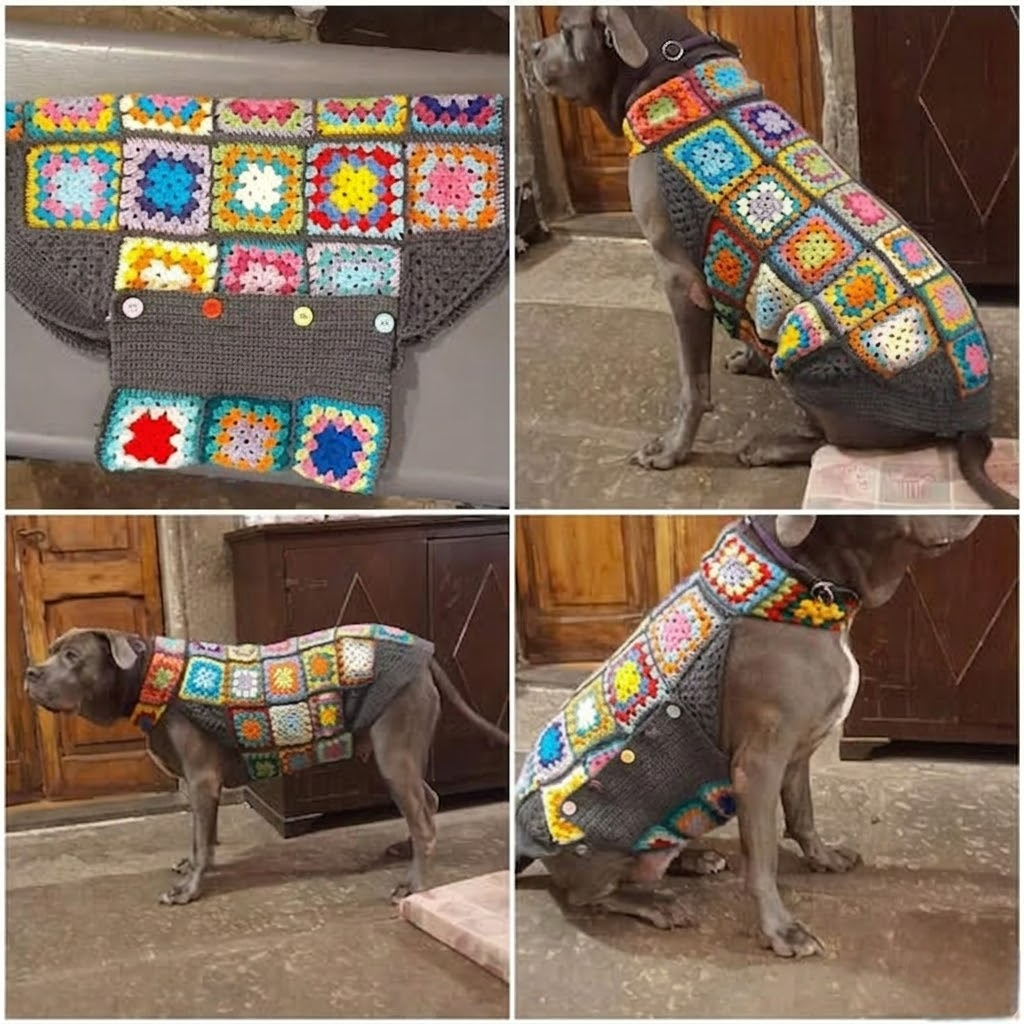
1. Essential Materials and Selecting the Right Yarn
Selecting the perfect materials is the most critical first step for your Crochet Coat for Small Dogs – Tutorial because dogs have highly sensitive skin. When crafting a handmade dog sweater, you want to look for a soft yarn that offers warmth without causing itchiness or irritation. Acrylic yarn blends, high-quality cotton, or washable wool are excellent choices because they are durable, gentle, and can withstand regular trips through the washing machine.
For small dog breeds, a medium weight yarn—often referred to as worsted weight yarn or category 4 yarn—is generally the absolute best option. It provides the perfect balance of thickness and flexibility, ensuring the dog coat isn’t too heavy for a tiny chihuahua or yorkie. You will also need to select the correct crochet hook size, typically a 5.0 mm (H-8) or 5.5 mm (I-9) hook, depending on how tightly you naturally stitch.
In addition to your yarn and hooks, you must gather a few essential crafting accessories before starting your diy dog coat. A flexible measuring tape is non-negotiable for achieving a custom fit, while stitch markers will help you keep track of your rows and leg hole placements. You will also need a sharp pair of scissors and a sturdy yarn needle to weave in your loose ends securely when the project is finished.
Understanding yarn care instructions is equally vital for longevity when making pet clothing. Dogs love to roll in the grass, play in the dirt, and explore the outdoors, meaning their clothes will inevitably get dirty quite often. Choosing a yarn labeled as machine washable and dryable will save you hours of tedious hand-washing later on. Always check the yarn label before purchasing to ensure it aligns with your busy lifestyle.
Color selection is where you can truly let your personal style and your dog’s unique personality shine through. Bright, vibrant colors like neon pink, electric blue, or classic red make your pet highly visible during evening walks, which acts as a great safety feature. Alternatively, neutral tones like beige, gray, or forest green offer a timeless, sophisticated look for your custom dog sweater.
Lastly, ensure you buy enough yarn from the same dye lot to avoid subtle color mismatches in the middle of your crochet coat for small dogs. For most small breeds weighing under 15 pounds, a single 100-gram skein of worsted weight yarn is usually more than enough. Having an extra skein on hand never hurts, especially if you decide to add decorative elements like a hood, pockets, or matching leg warmers.
3. Accurate Measurements for a Perfect Custom Fit
Achieving the perfect fit is paramount when working on this Crochet Coat for Small Dogs – Tutorial because an ill-fitting coat can restrict movement. To begin, you must measure your dog’s neck circumference right where their collar naturally sits, making sure to leave enough room for two fingers to slide underneath. This ensures the ribbed neckline of the dog sweater will be comfortable and won’t choke your pet during walks.
The second and most crucial measurement you need to take is the chest girth, which is the widest part of your dog’s ribcage. This measurement dictates how wide the main body of your crochet dog coat needs to be to prevent tightness across the lungs. Write this number down carefully, as it will determine the total number of stitches required for the widest section of your pattern.
The third measurement is the back length, calculated from the base of the dog’s neck all the way down to the base of their tail. This measurement ensures full coverage along their spine, protecting their lower back from cold drafts and chilly winds. For male dogs, you may want to shorten this length slightly on the underbelly side to prevent any unwanted bathroom accidents during walks.
When designing pet clothing, you also need to measure the distance between your dog’s front legs to ensure proper leg hole placement. If the leg holes are placed too close together or too far apart, the coat will bunch up awkwardly and cause chafing. Measuring the distance across the chest between the inside of the front legs guarantees complete freedom of movement for your active pup.
Always remember that crochet stitches naturally stretch over time with wear and washing, so your initial measurements should be relatively snug but not tight. If your dog falls between two sizes or measurements, it is generally safer to size up slightly rather than making the coat too restrictive. A well-fitted diy dog coat should hug the body comfortably while allowing your pet to run, jump, and play naturally.
Keep your dog calm and standing on all four legs while taking these measurements, as a sitting or laying position will distort the numbers. Using a soft fabric measuring tape yields the most accurate results, but if you don’t have one, use a piece of string and measure it against a standard ruler. Accurate preparation at this stage guarantees a successful handmade dog sweater that your dog will actually enjoy wearing.
4. Step by Step Crochet Pattern and Stitches
We begin the core layout of our Crochet Coat for Small Dogs – Tutorial by creating the comfortable, stretchy ribbed collar. Start by chaining 10 stitches, then work a single crochet in the back loop only (sc blo) across each row until the band matches your dog’s neck measurement. Join the ends of the band together using a slip stitch to form a secure, stretchy circle that forms the neckline.
Once the collar is complete, we transition into the main body of the dog sweater by working around the edge of the ribbed band. For the body, we will use the half double crochet (hdc) stitch because it creates a dense, warm fabric without being too stiff or bulky. You will gradually increase the number of stitches over the next few rows to accommodate the wider chest measurement of your small dog.
To create the essential leg holes, you will split your work into three distinct sections: the back panel and two smaller chest panels. After crocheting a few inches of the body, you will chain a specific number of stitches, skip a few stitches to create an opening, and reattach to the main row. This simple technique creates clean, durable leg openings that won’t unravel or tear over time.
After completing the leg holes, you will rejoin all sections and continue working the half double crochet stitch in continuous rows along the back. This section forms the main blanket coverage of your diy dog coat, keeping your pet’s core warm and protected. Continue stitching until you are about two inches away from the total desired back length you measured earlier.
To create a beautiful, professional finish that prevents the bottom of the crochet dog coat from curling up, we will add a simple border. Work a single crochet stitch into every stitch around the entire bottom edge, including the underbelly area. For a stylish touch, you can switch to a contrasting yarn color for this final border to make the design pop visually.
The final step in the construction process is weaving in all your loose yarn tails using your handy yarn needle. Check all your seams and connections to ensure they are completely secure, knotting them firmly before snipping the excess yarn away. Once the loose threads are cleaned up, your custom handmade dog sweater is officially complete and ready for its first try-on session.
5. Tips for Cleaning, Maintenance, and Safety
Maintaining your newly crafted Crochet Coat for Small Dogs – Tutorial project properly will ensure it stays beautiful and functional for many years to come. Whenever your handmade dog sweater gets dirty, it is highly recommended to wash it inside a mesh laundry bag on a gentle cycle. This simple precaution prevents the crochet stitches from snagging on the washing machine’s agitator or velcro from other garments.
Always use a mild, pet-safe detergent that is completely free of harsh fragrances, dyes, or artificial brighteners. Dogs have a highly acute sense of smell, and strong chemical odors on their pet clothing can cause sneezing, anxiety, or skin allergies. Washing the coat in cool or lukewarm water will also prevent the yarn fibers from shrinking or losing their original softness.
When it comes to drying your crochet dog coat, air drying flat on a clean towel is always the absolute safest method. Hanging the wet coat by its straps can cause the heavy water weight to stretch the fibers out of shape permanently. If you must use a clothes dryer, select the lowest heat setting or the air-fluff option to avoid overheating the synthetic yarn.
Safety should always be your top priority when introducing your pet to any type of new diy dog coat or accessory. Never leave your dog completely unattended while they are wearing their coat, especially during the first few times they wear it around the house. Ensure there are no loose loops, dangling threads, or small decorative buttons that your dog could accidentally chew off and swallow.
Pay close attention to your dog’s body language while they are wearing their custom crochet coat for small dogs. If they freeze up, refuse to walk, or constantly scratch at the fabric, the coat might be rubbing them uncomfortably or causing them to overheat. A good pet sweater should provide warmth, but it should never cause physical distress or restrict their natural range of motion.
Inspect the garment regularly for signs of wear and tear, such as loose seams, thinning areas, or fraying yarn strands. Promptly repairing any small holes with a matching piece of yarn will extend the lifespan of your hard work significantly. With proper care, maintenance, and safety awareness, your beautiful creation will keep your small dog warm and cozy through countless winter walks.
Frequently Asked Questions
What is the best type of yarn to use for a small dog coat?
The best yarn for a handmade dog sweater is a high-quality, machine-washable acrylic or a soft cotton blend. These fibers are incredibly gentle on sensitive canine skin, provide excellent insulation against the cold, and can handle regular washing without shrinking or losing their shape. Avoid using pure, non-washable wool as it can shrink drastically and irritate your dog’s skin.
How do I know if the crochet coat is too tight for my dog?
You can easily check the fit by sliding two fingers comfortably underneath the collar and the chest area of the dog coat. If you struggle to fit your fingers underneath, or if you notice the fabric pulling tightly across their shoulders, the coat is too tight. Watch for signs of skin chafing under the front legs, which indicates the leg holes need to be larger.
Can beginners complete this crochet coat for small dogs tutorial?
Yes, absolutely! This Crochet Coat for Small Dogs – Tutorial is specifically designed with advanced beginners in mind. It utilizes basic, foundational stitches such as the single crochet and half double crochet. The pattern breaks down the complex shaping into simple steps, making it an excellent introductory project for anyone wanting to learn how to make pet clothing.
How do I modify this pattern if my dog has an unusual shape?
Modifying this diy dog coat is very straightforward because it is based on your dog’s exact measurements rather than a rigid template. If your dog has a deep chest but a narrow neck, like a dachshund, you can simply add more increase rows after the collar. Adjusting the length is as simple as adding or subtracting rows along the back panel.
Is this crochet coat safe for my male dog to wear when using the bathroom?
Yes, provided you make the necessary adjustments to the underbelly section of the pattern during assembly. The underbelly area should always be kept significantly shorter than the back panel to avoid any urine splashing onto the fabric. This tutorial ensures the underside cuts off early enough to keep your handmade dog sweater completely clean and dry.
Conclusion
In this comprehensive Crochet Coat for Small Dogs – Tutorial, we have covered every single essential step required to create a beautiful, functional, and highly customized garment for your beloved pet.
From selecting the perfect soft yarn and taking precise measurements to executing the core crochet stitches and maintaining the finished piece, you now possess all the knowledge needed to excel at diy pet fashion. This project is a wonderful way to express your love for your furry companion while keeping them safe and warm.